The Psychology of Home Pricing: Why It’s More Than Just the Numbers
When it comes to real estate, pricing a home seems like it should be straightforward: look at the comps, factor in the square footage and condition, and land on a fair number.
When it comes to real estate, pricing a home seems like it should be straightforward: look at the comps, factor in the square footage and condition, and land on a fair number.
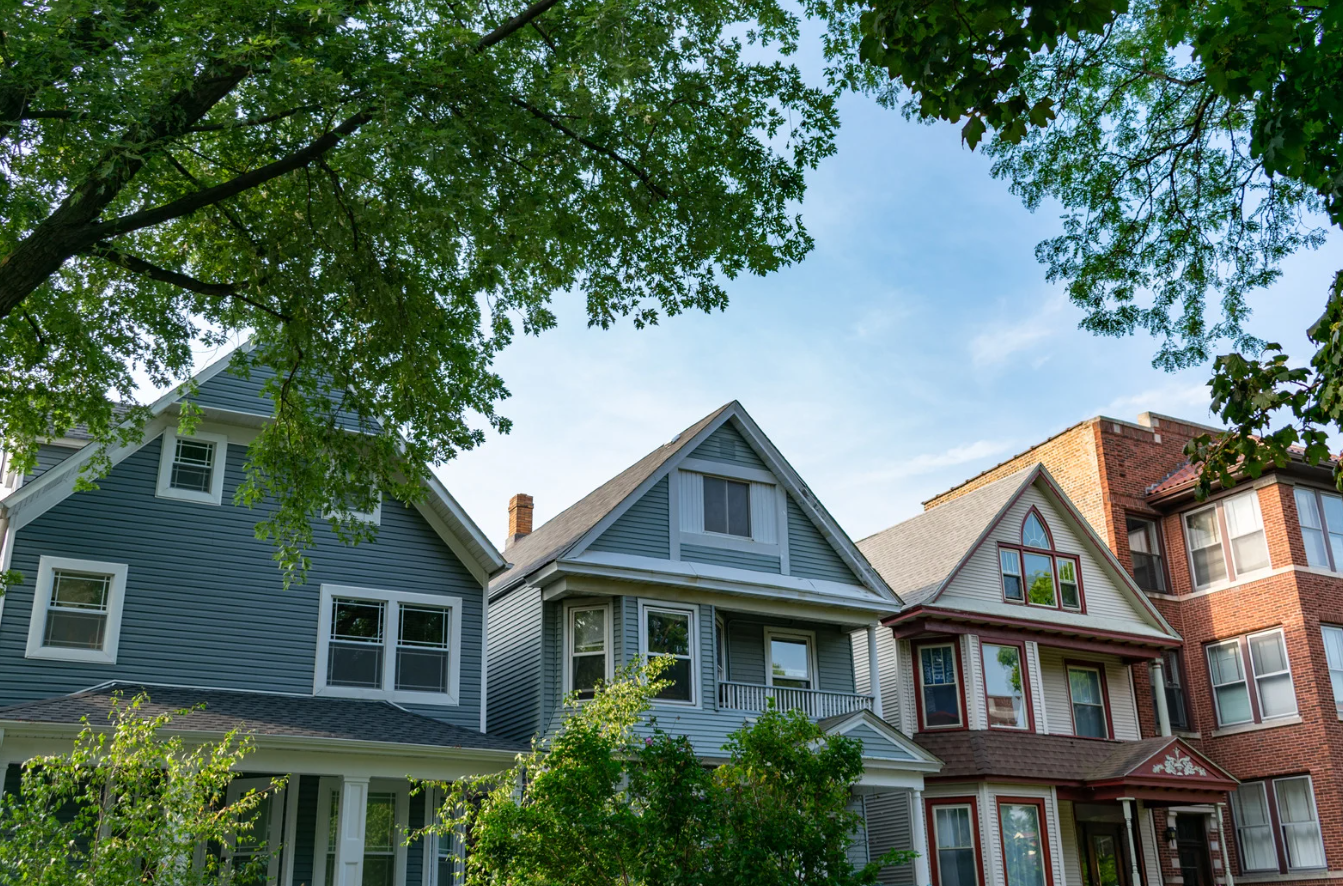
For buyers looking to stretch their dollar or invest in long-term growth, gentrifying neighborhoods often seem like hidden gems. The homes are more affordable, the architecture is full of character, and local businesses are just beginning to bloom.

When most people think about what affects a home’s value, they consider things like square footage, curb appeal, or school districts. But there’s a new factor quietly reshaping real estate markets across the country: climate risk.

Foreign investment has long played a significant role in the U.S. housing market. From luxury properties in major metropolitan areas to investment in rental homes across suburban and rural regions, international buyers impact home prices, inventory levels, and overall market dynamics.
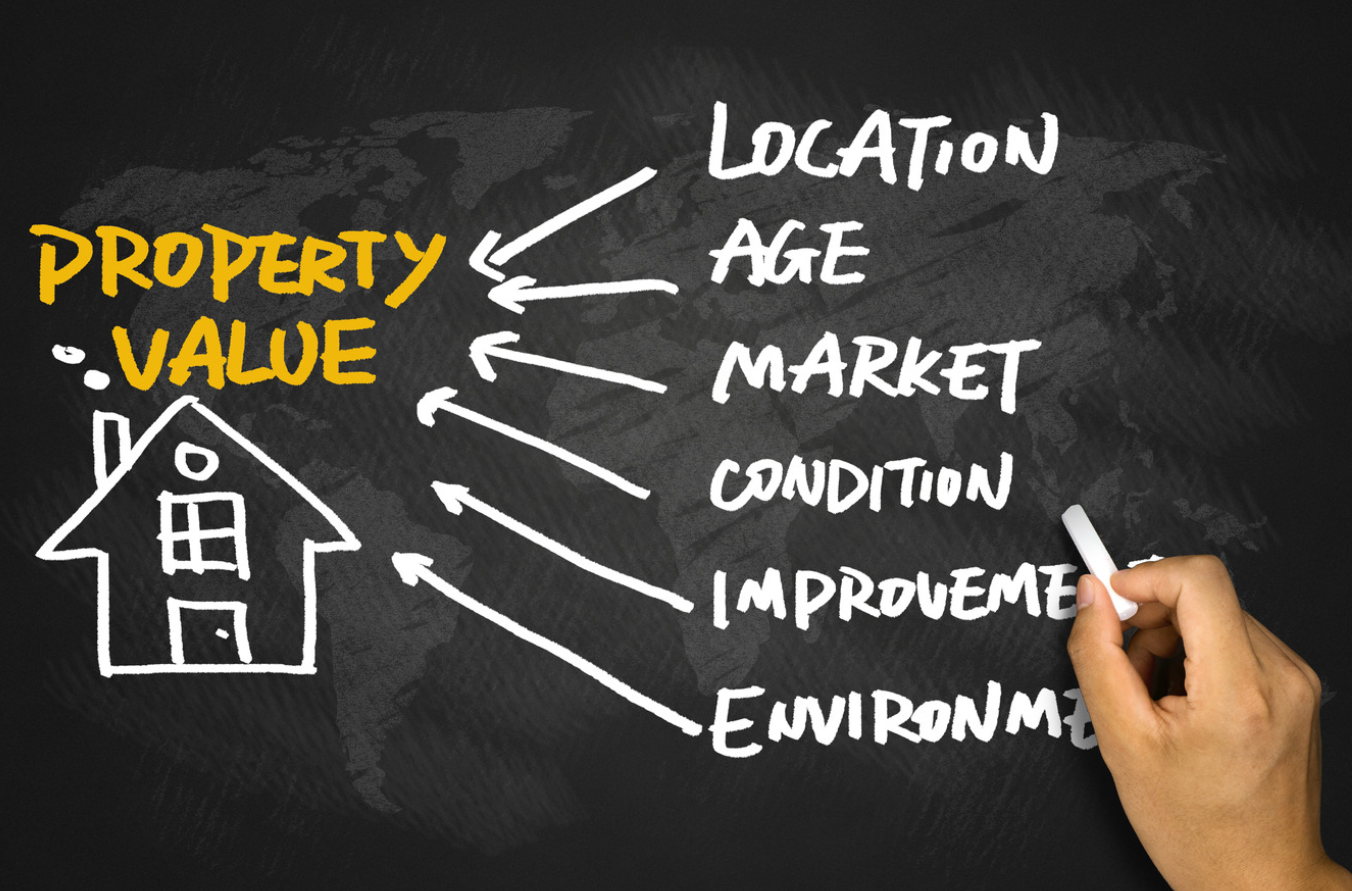
If you’ve ever looked up your home’s value online, you’ve probably noticed a curious thing: no two websites agree.

For decades, urban living was seen as the pinnacle of convenience, opportunity, and culture. However, in recent years, there has been a noticeable shift as more people reconsider city life in favor of suburban and even rural areas.

Short-term rental platforms like Airbnb and Vrbo have transformed the way people travel and stay in new places. While these services offer homeowners an opportunity to generate income, they also have significant effects on local housing markets.
Interest rates play a crucial role in the housing market, influencing everything from home affordability to buyer demand. When interest rates fluctuate—whether they rise or fall—they have a direct impact on both buyers and sellers.

When people think about buying a home, they often focus on the big-ticket items like the down payment, mortgage payments, and closing costs. However, many new homeowners are caught off guard by the additional expenses that come with owning a property.