The Difference Between Contingent and Pending
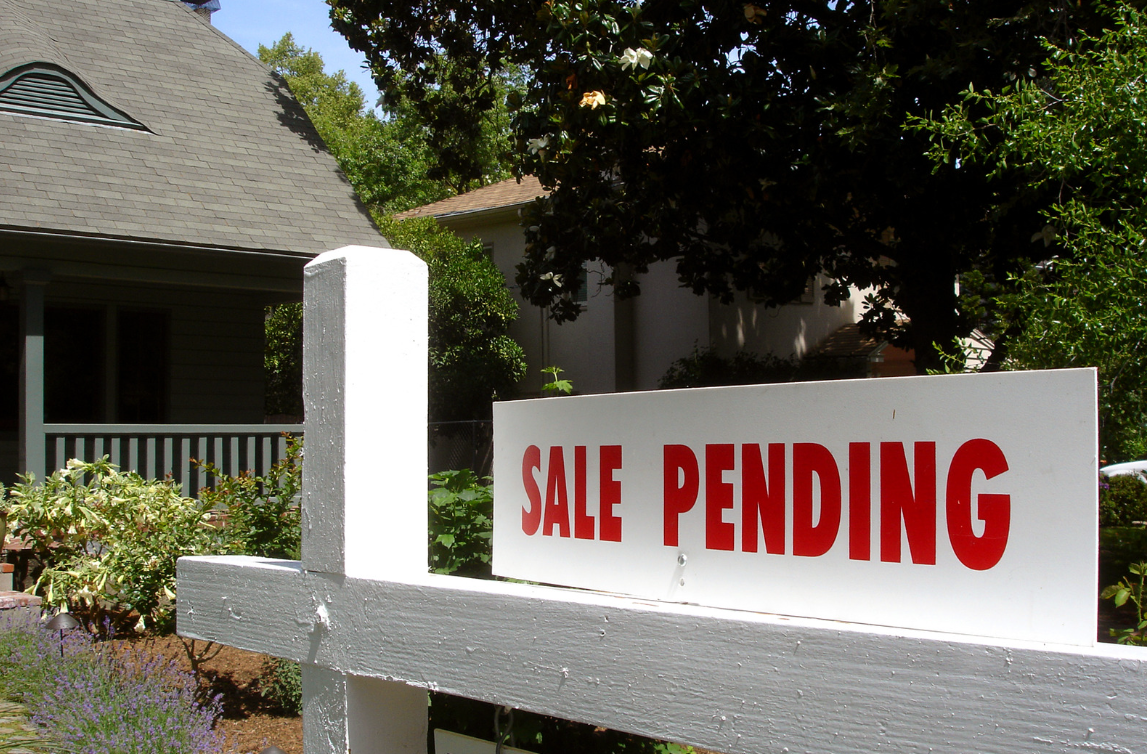
From time to time the terms "contingent" and "pending" are used interchangeably in a real estate transaction. While they have similar meanings, they are unique.
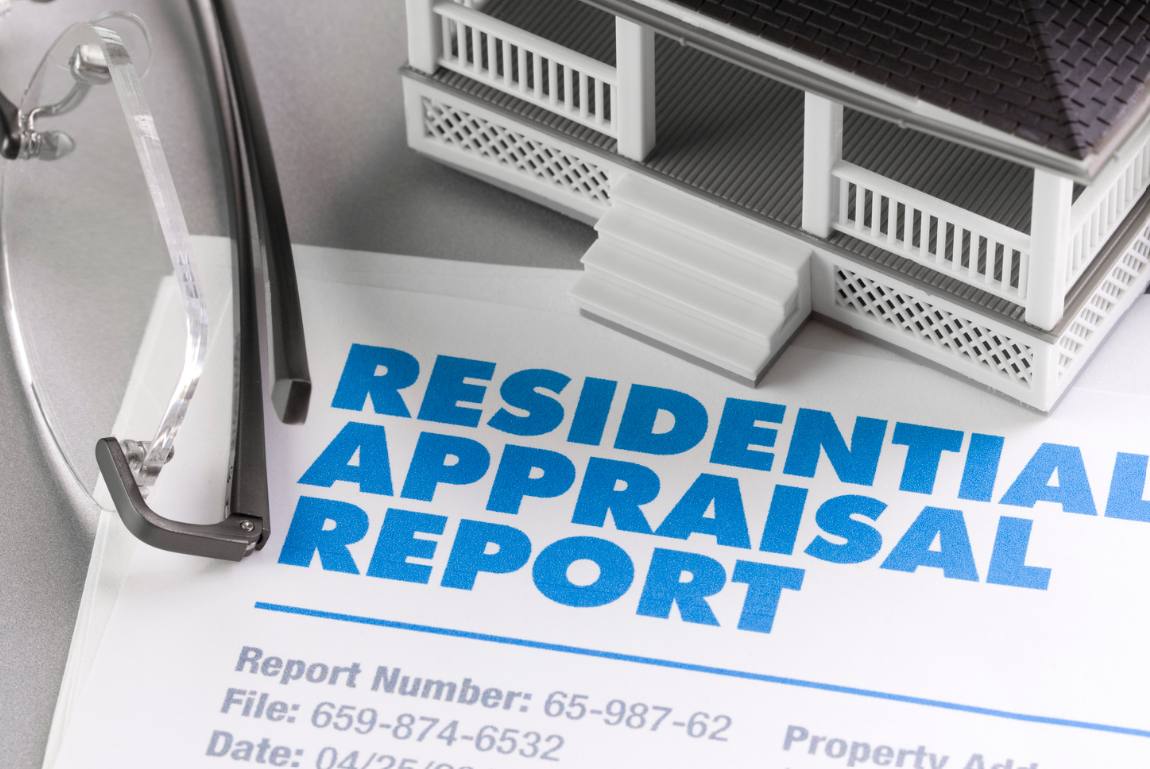
There are two ways in which home values can be estimated by real estate professionals. A comparable market analysis can be prepared, or an appraisal can be performed.
There are many terms used in real estate transactions that home buyers and sellers may not completely understand. The terms title and deed often fall into that category.
Owning raw land has real potential along with its share of pitfalls. Whether you decide to hold it and sell when real property values climb or -- alternatively -- develop the lot to convey at a higher price, you are subject to forces of market, timing and competition.
Having bought and assumed ownership of a raw land lot (or lots), the new owner faces the challenge posed by local rules and regulations. Ideally, this comes as no surprise and the owner is prepared to do what is necessary to bring the property into legal compliance.
Having identified a parcel of vacant land -- and negotiated a purchase contract with the seller -- the investor in raw land is now at the point where financing becomes the issue.
In the first installment of this series, we looked at the advantages of raw land as an investment as well as the ways an investor might go about locating such parcels. Once a suitable piece of vacant land becomes available, a prospective buyer must then determine what price is worth the acquisition.
Acquiring raw land for income purposes may not be the most glamorous area of real estate investment but -- for the discerning and dedicated -- it can be a lucrative one, nevertheless.
When it comes time to sell your home, you should make it a priority to keep your valuables safe.