Securing a purchase agreement is a significant milestone, but in the current real estate landscape, it marks the beginning of the most critical phase of the transaction. Market data reveals a growing friction point: roughly 22% of weekly real estate transactions are now falling through before reaching the closing stage. While previous years were defined by bidding wars and waived contingencies, the "Great Housing Reset" of 2026 has introduced a new hurdle for sellers, the Inspection Ceiling.
The Inspection Ceiling is the juncture where a property’s invisible infrastructure gaps collide with a buyer’s limited financial bandwidth. In a market where buyers are navigating mortgage rates in the low-to-mid 6% range, the tolerance for unexpected post-closing expenses has vanished. Today’s home sales are no longer decided solely by cosmetic appeal or the highest initial offer, but by the verifiable integrity of the property’s core mechanical and structural systems.
The May 2026 Market Context: A Shift Toward Deep Diligence
As we move through the second quarter of 2026, the power dynamic in residential real estate has reached a point of stabilization. National housing inventory is up by approximately 9% to 12% year-over-year, providing buyers with more options and, consequently, more leverage. This increase in supply has effectively ended the era of the "as-is" frenzy.
Current industry reports show that the inspection-waiver rate has plummeted to just 12%. This means the vast majority of buyers are now conducting thorough, multi-layered due diligence. This isn't just a return to normalcy; it's an evolution in buyer behavior. May 2026 buyers are increasingly utilizing bundled, in-depth diagnostic packages, including thermal imaging for moisture detection, foundation elevation surveys, and extensive pest evaluations, to ensure they are not inheriting significant financial liabilities.
For sellers, this heightened scrutiny means that deferred maintenance is no longer a "later" problem for the buyer. It is a present-day obstacle to your liquidity. Properties with documented maintenance histories and sound infrastructure are commanding a 2% to 8% price premium, while those with identified mechanical issues are lingering on the market and seeing price reductions of 10% to 20% compared to move-in-ready equivalents.
The Affordability Equation: Why Infrastructure Outweighs Cosmetics
In the current economic climate, the strict financial realities of the buyer dictate the success of the transaction. With 30-year fixed rates hovering around 6.25% to 6.4%, the debt-to-income (DTI) ratio for most households is stretched. When a buyer qualifies for a mortgage, they are often using their maximum available cash reserves for the down payment and closing costs.
By the time a buyer reaches the inspection phase, they have little to no "repair capital" left. Industry data highlights that buyers of older homes are currently facing up to $3,200 in unexpected first-year maintenance costs, four times more than buyers of newer homes. This reality has made buyers hyper-vigilant. If an inspector identifies an $8,000 roof replacement or a $12,000 HVAC overhaul, the buyer cannot simply absorb the cost. Their monthly mortgage payment consumes the income that would have previously been diverted to a home improvement fund.
Consequently, a single "invisible" flaw can turn a motivated buyer into a walk-away statistic. They aren't withdrawing because they don't like the home. They're withdrawing because the home no longer fits within the strict financial boundaries set by their lender and their monthly budget.
Identifying the Infrastructure Gaps That Stall Sales
To bypass the Inspection Ceiling, sellers must shift their focus from the surface to the structural. The following four areas are the primary triggers exposing costly defects and causing deals to fail:
1. The Shell: Roof and Exterior Integrity
The roof is the first line of defense for a property’s value. In the current market, a roof nearing the end of its life expectancy is a primary deal-breaker. Buyers are acutely aware that a roof replacement in 2026 typically costs between $8,000 and $13,000. Beyond the immediate financial burden, a compromised roof often signals secondary issues like mold, attic moisture, or insulation degradation. Sellers who provide a roof certification or address aging shingles before listing protect their price floor and ensure the transaction meets standard underwriting requirements.
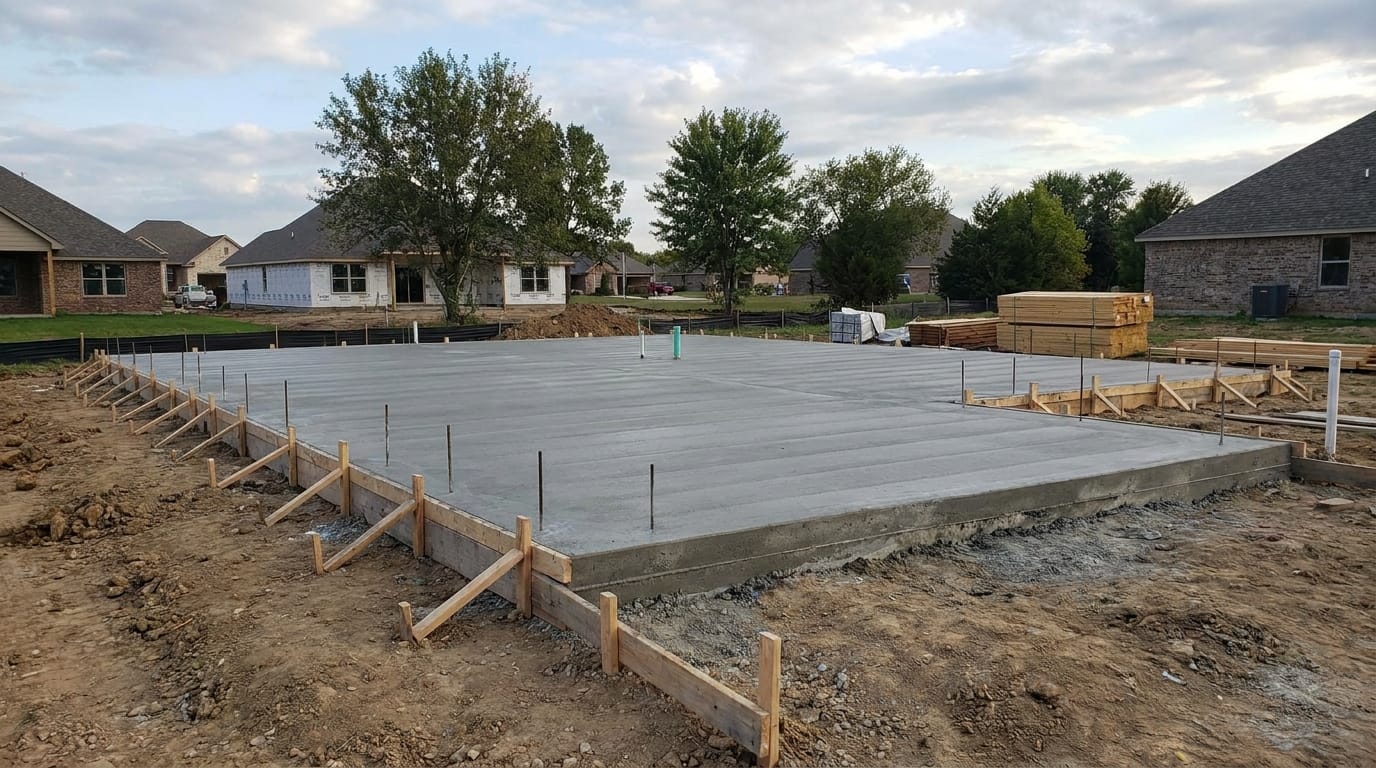
2. The Skeleton: Foundation and Structural Health
Foundation issues remain one of the most feared items on an inspection report, with repair costs ranging from $2,200 to over $30,000. Buyers are heavily relying on specialty inspections to detect early signs of structural settling, such as stair-step cracks in masonry, uneven floor elevations, or crawl-space vulnerabilities. Because foundation repairs often require specialized engineering and can impact the long-term safety of the home, they are frequently the ultimate deal-killer.
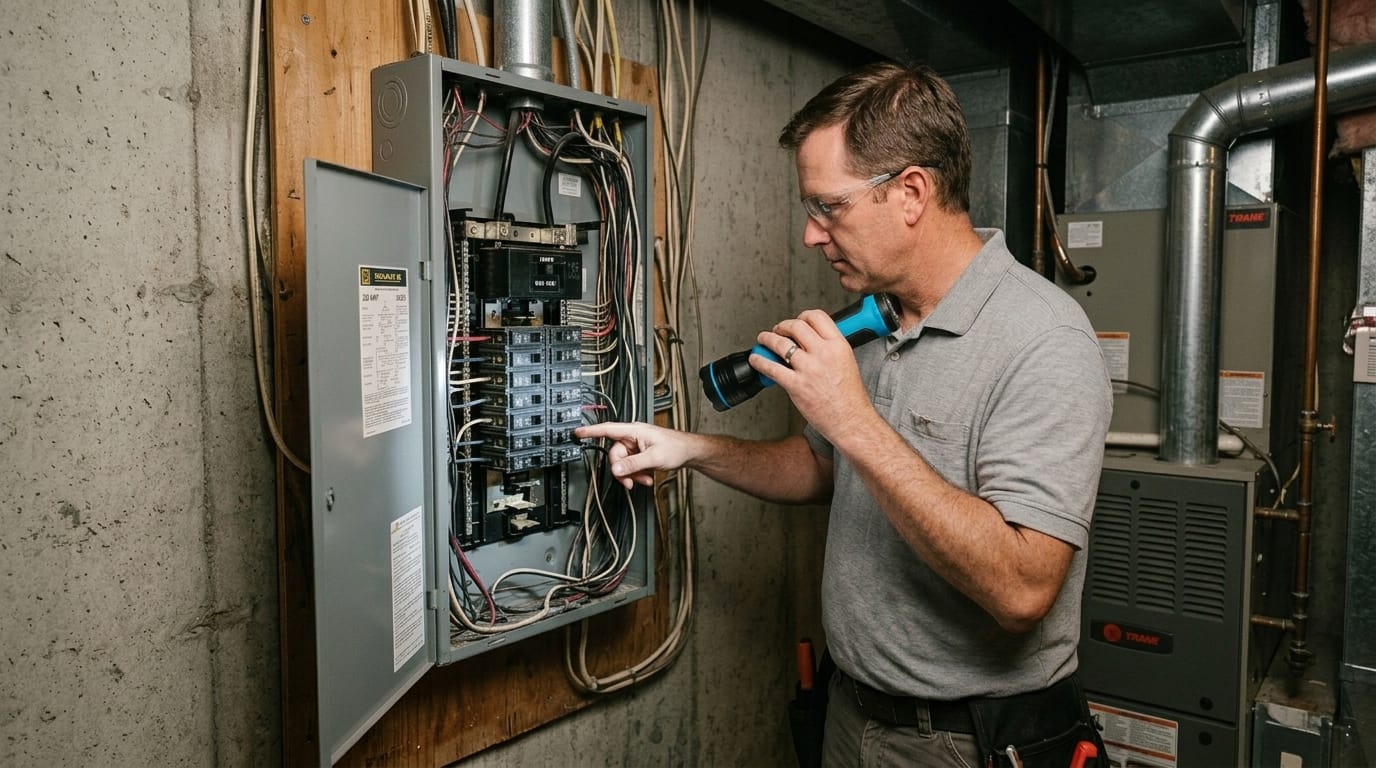
3. The Nervous System: Electrical and Modern Capacity
With the continued rise in home-based technology, high-efficiency appliances, and electric vehicle (EV) infrastructure, electrical capacity is now a vital qualitative valuation feature. Homes with outdated 100-amp panels or legacy wiring are being flagged as functionally obsolete. Upgrading to a 200-amp service is a high-impact infrastructure improvement that signals to a buyer that the home’s nervous system is robust, safe, and ready for the next decade of technological demands.
4. The Circulatory System: Plumbing and HVAC
Mechanical systems are under more pressure than ever. A standard HVAC overhaul costs between $5,000 and $15,000. If a system is older than 15 years, inspectors will categorize it as being at the end of its useful life. Similarly, broken or aging sewer lines, which can cost $20,000 to $40,000 to replace, are becoming a standard point of inspection. Proactively scoping a sewer line or servicing the HVAC system removes the massive "fear factor" that leads to aggressive renegotiations.
The True Cost of Deferral: 10% vs. 20%
Recent data indicates that the average deferred repair now costs roughly $5,600 to address. However, the cost to the seller is rarely just the price of the repair itself. When an issue is discovered during the inspection period, the buyer's perceived risk increases exponentially, often leading to a compounding effect on negotiations. Unchecked issues can spiral, raising overall repair expenses by up to 30% compared with proactive upkeep.
A $5,000 HVAC issue discovered by the buyer often results in a demand for a price reduction that far exceeds the cost of the unit. This is because the buyer is factoring in the "risk of the unknown"—assuming that if the HVAC was neglected, other critical systems were likely ignored as well. By addressing these issues proactively, you capture the 2% to 8% "well-maintained" premium and completely avoid the 10% to 20% "distressed property" discount that comes with a lingering listing.
Moving Beyond Numbers with the eppraisal Reasoning Engine
Understanding the "why" behind your property’s value is the key to a successful sale in a balanced market. This is where the eppraisal Agent provides a distinct advantage. While standard Automated Valuation Models (AVMs) focus heavily on raw square footage and recent nearby sales, our AI-driven platform translates qualitative features, like the age of your mechanical systems or the structural integrity of your foundation, into clear, actionable narrative insights.
The eppraisal Agent acts as your personal real estate reasoning engine, helping you identify exactly how these objective property features influence your Estimated Property Valuation within your specific neighborhood context. For example, in a community where most homes still feature legacy electrical systems, a property that has been proactively upgraded with a modern 200-amp panel and EV-ready wiring stands out as a high-integrity asset, commanding a superior position in the market.
By utilizing translated, qualitative data, you can make highly informed decisions about which infrastructure updates will protect your sale price. This proactive strategy allows you to firmly control the narrative of your home’s condition, rather than reacting defensively to an inspector’s findings mid-escrow.
Conclusion: Strategy Over Sentiment
In the current market, the Inspection Ceiling is a reality that every seller must navigate carefully. Success requires moving away from the sentimental value of a home and toward a clinical, objective analysis of its infrastructure. By identifying and addressing mechanical and structural gaps before you list, you ensure your property remains attractive to buyers who are financially stretched but eager for a sound, long-term investment.
The "Great Housing Reset" has made structural transparency the most valuable currency in real estate. Sellers who provide clear, fact-based information about their home’s condition, backed by deep understanding and qualitative reasoning, are the ones who will successfully protect their equity and cross the finish line.