The April 2026 housing market is currently navigating a significant structural shift. As of this month, the April 2026 housing inventory has expanded by roughly 9–10% year-over-year, moving the U.S. market into its most balanced state in nearly a decade. With mortgage rates stabilizing near 6%, the "lock-in effect" that previously paralyzed supply is beginning to thaw. However, this influx of options has birthed a specific phenomenon: the Relisting Wave.
Defining the "Relisted Home Meaning"
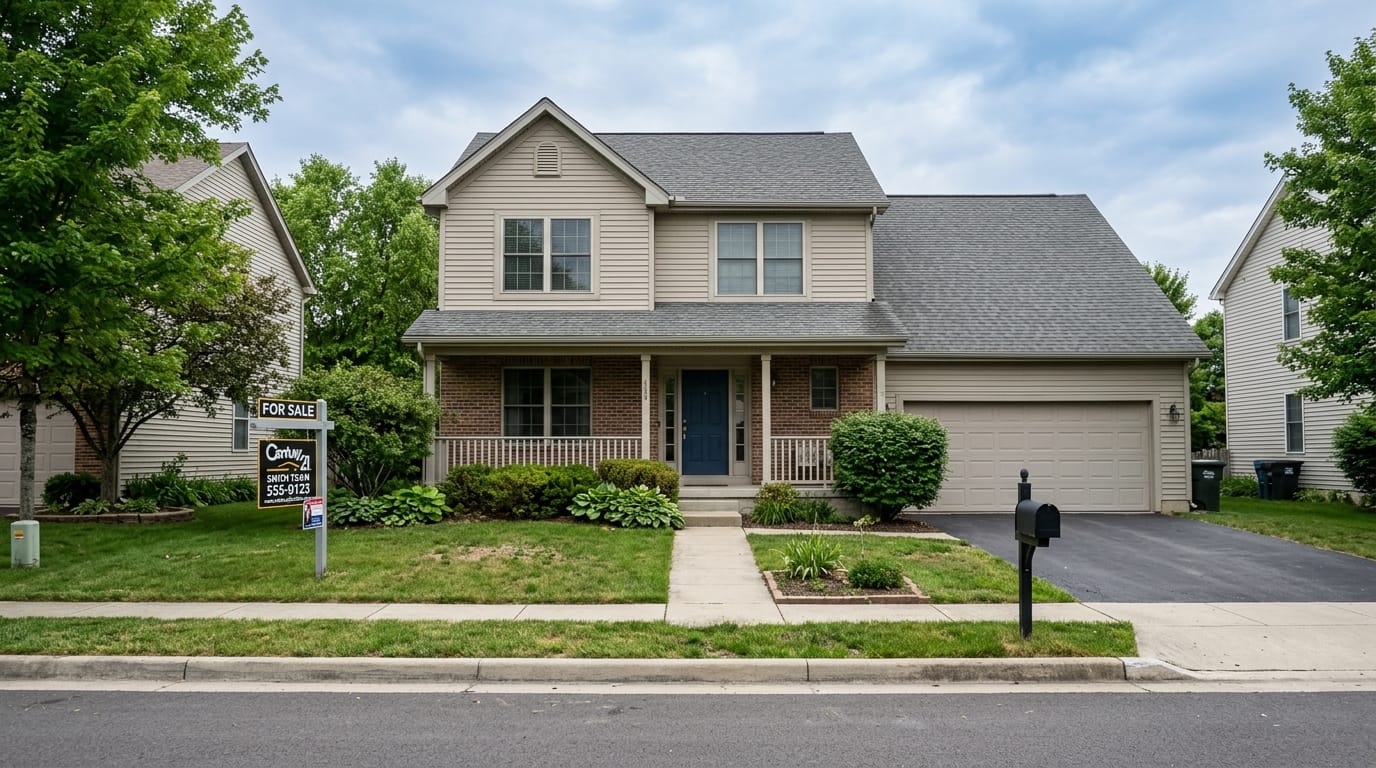
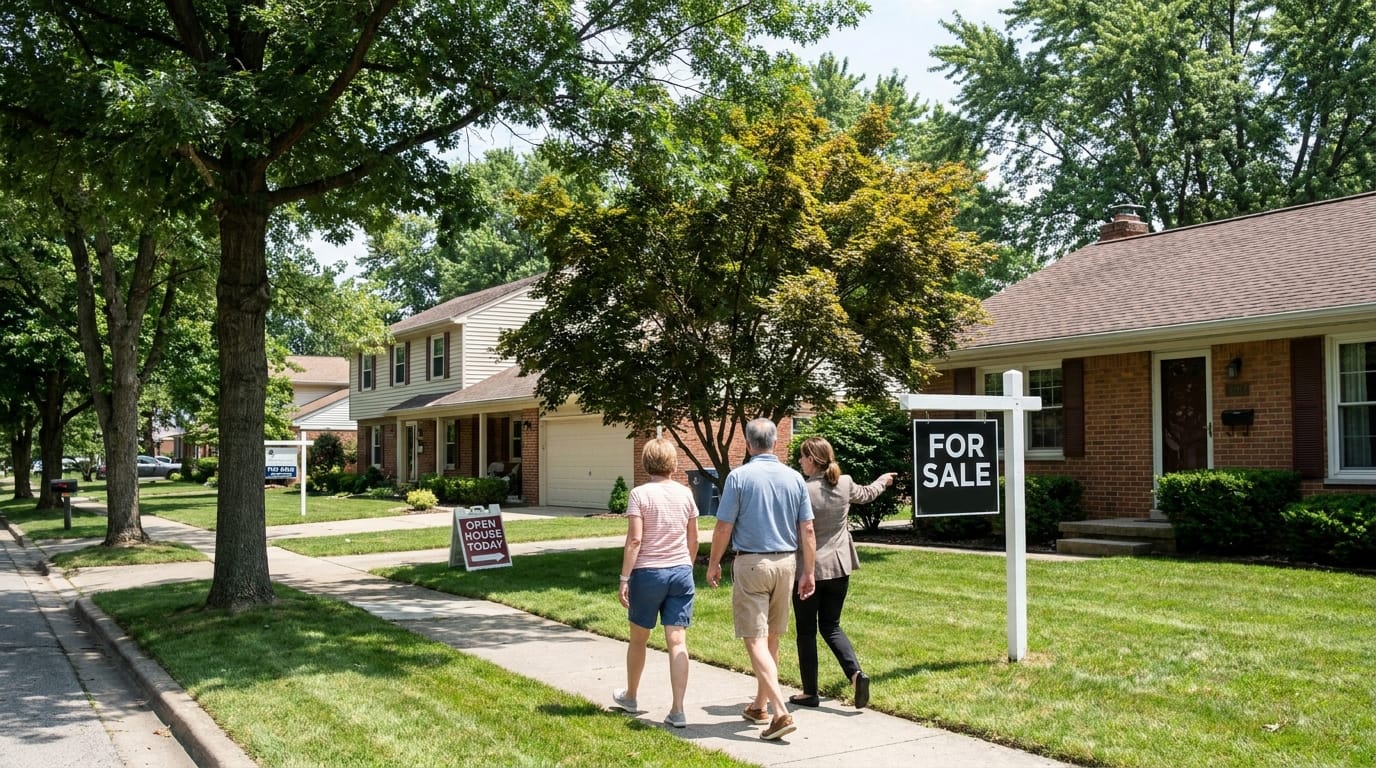
In a high-velocity market, a property returning to the market was often viewed with suspicion. Today, understanding the relisted home meaning requires a more nuanced, expert lens. A relisting occurs when a property is withdrawn and subsequently re-entered into the Multiple Listing Service (MLS). Far from being a red flag, current data suggests that relistings are often the result of "pricing recalibration" or "transactional friction" rather than fundamental property defects.
The Three Drivers of the Relisting Wave
Through our proprietary AI Reasoning Engine, we have identified three primary drivers for the current surge in returning properties. These are not merely data points; they are qualitative shifts in how buyers and sellers are interacting in 2026.
1. The Pricing Fatigue Correction
According to recent reports from Forbes, featuring insights from top Compass brokers, buyers are experiencing "design fatigue" from homogenous, "flip-style" interiors. When sellers anchor their expectations to peak pricing for predictable aesthetics, the market responds with silence.
- The Expert View: Sellers are now forced to delist and return with data-driven, market-aligned values. For buyers, a relisted property often signals a seller who has finally accepted the reality of a balanced market, creating a strategic opening for negotiating closing costs.
2. The Resurgence of Inspection Contingencies
A critical shift in the 2025–2026 cycle is the return of buyer leverage. During the pandemic, inspections were frequently waived; today, inspection contingencies appear in approximately one-third of all offers.
- The Data: Recent market data indicates that 45.6% of walk-aways are now traced directly to undisclosed or unresolved condition issues found during inspections.
- The Opportunity: When a home relists due to a failed inspection, it is rarely due to a structural collapse. Often, it is a disagreement over infrastructure maintenance—items like aging HVAC systems or minor roofing repairs. Sellers of these properties are frequently the most motivated to provide credits or price reductions to ensure the second attempt closes.
3. Seller Fatigue and Logistical Resets
The logistical burden of maintaining a "showing-ready" home while inventory sits for extended periods leads to seller burnout. Many homeowners are temporarily delisting to perform minor cosmetic updates or simply to reset their "Days on Market" (DOM) counter.
Moving Beyond the AVM
Standard quantitative portals provide a raw number—an Automated Valuation Model (AVM)—based on historical comps. However, these models cannot explain why a property sat for 60 days before relisting.
eppraisal acts as your Neutral Expert Translator. We audit qualitative factors that raw data misses:
- Community Dynamics: Is the relisting tied to a localized shift, such as a change in school district zoning or a new municipal transit project?
- Property Potential: Does the home feature high-demand 2026 traits, such as single-story layouts or "downstairs guest suites" for aging parents or multi-generational living?
Strategic Conclusion for Buyers
The Relisting Wave is not a sign of market weakness; it is a sign of market maturity. For the informed buyer, these properties represent the highest probability of securing a home at an objective, fact-based value.
Stop relying on uncontextualized numbers. Explore our subscription plans to access deep-tier Qualitative Valuation Estimates and let our Reasoning Engine translate the "why" behind your next move.