If you’ve looked at a house lately, you’ve seen the split in the market. On one side, you have city homes with sky-high price tags and tiny yards. On the other, you have new suburban developments that offer more space for a lot less money.
The current data makes the trend clear: nearly 80% of all new homes for sale are now in the suburbs. If you want a brand-new home in the city, you’re looking at a median price of about $738,662, a massive 78% jump over the price of an older city home. Meanwhile, a new suburban build has a median price of around $427,900. That’s only about a 7% premium over a "used" house.
But here's the catch: not all suburbs are created equal. Buying a home just because it’s new and affordable can be a mistake if you don’t look at the "bones" of the neighborhood. The real secret to seeing your home value grow, what we call the "Suburban Premium", isn’t about the granite countertops. It’s about infrastructure.
Let’s look at how things like trains, pipes, and local business planning actually determine how much your home will be worth in ten years.
The Math Behind the Move
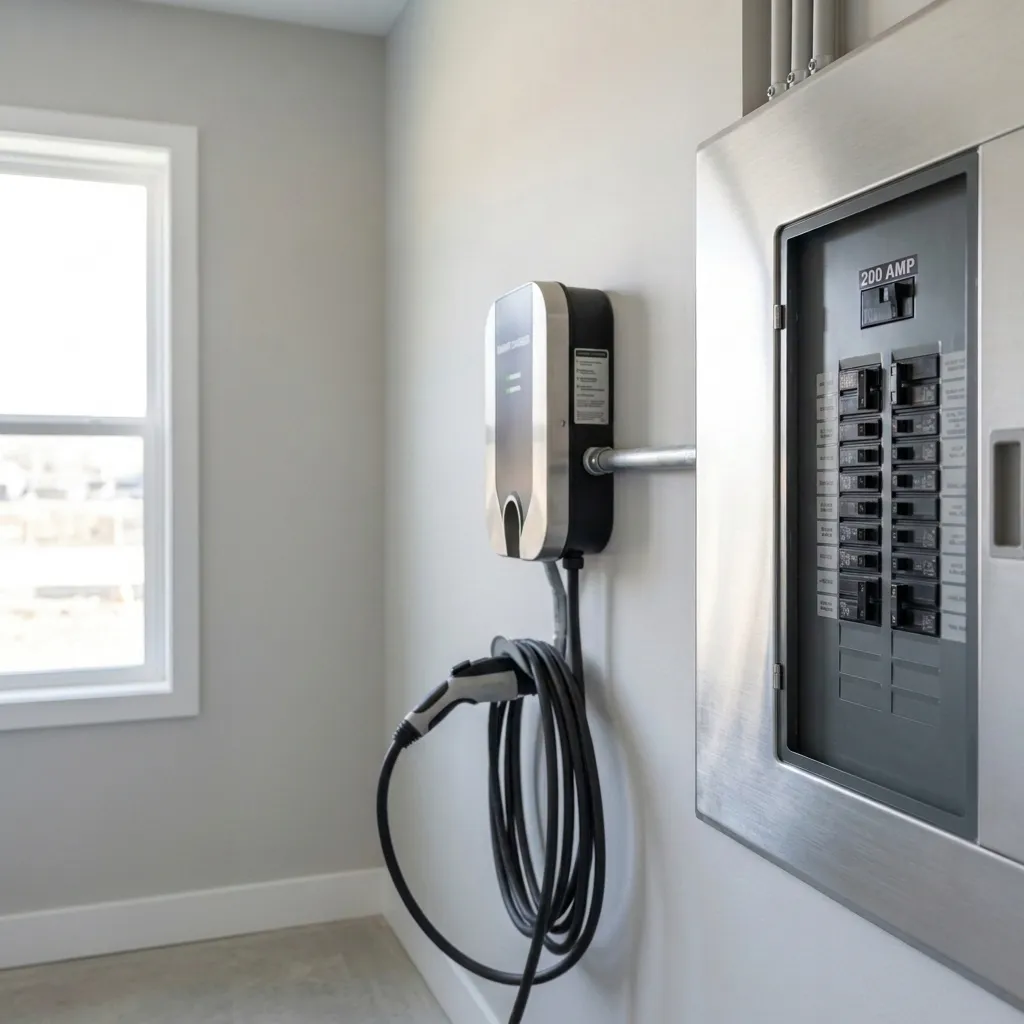
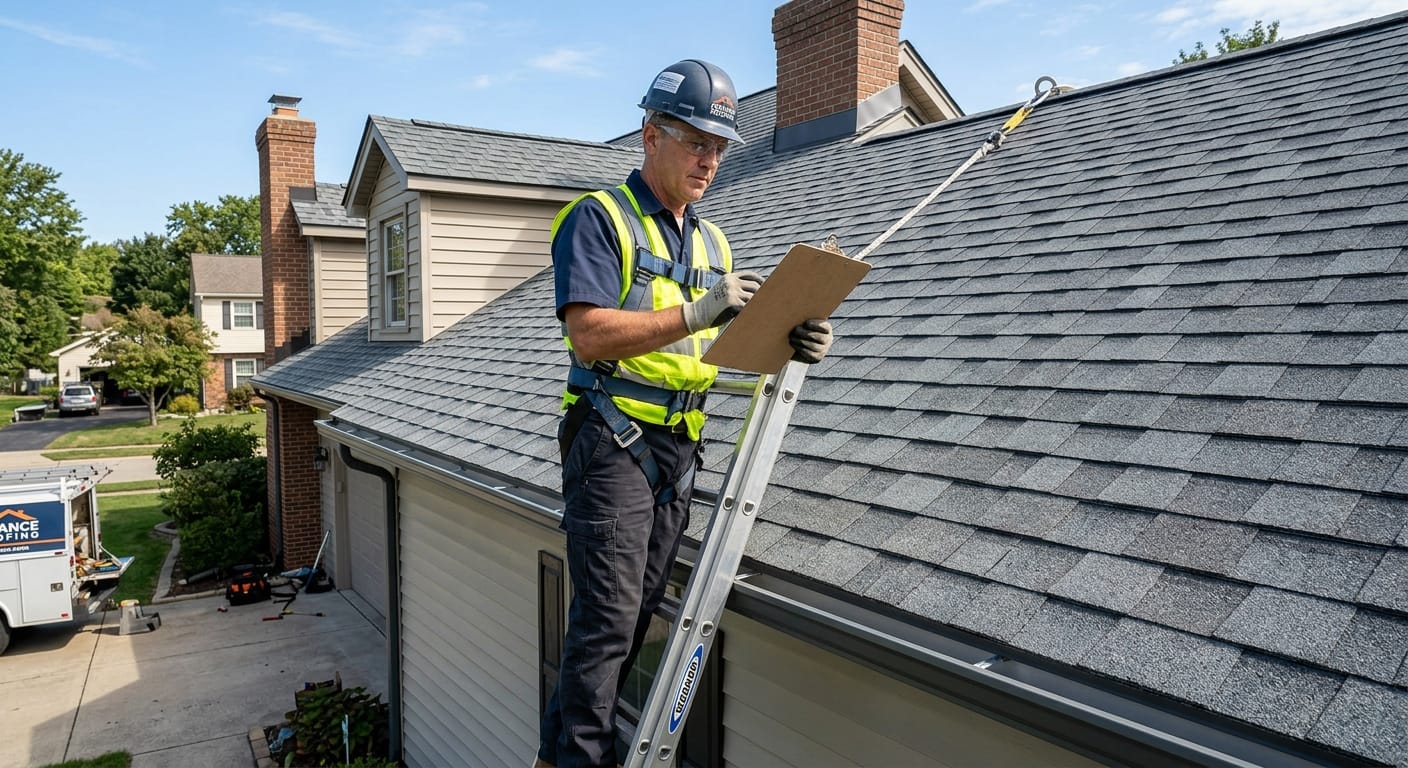
Right now, the average price for a new home in the U.S. is $449,373. Builders are heading to the outskirts because that's where land is available and development makes sense. For you, paying that 7% premium for a new suburban home is usually a smart upfront investment. You get a house built to modern standards that is energy-efficient and won’t require the expensive repairs often found in older homes.
However, the purchase price is only the beginning. A house is an asset, and its long-term appreciation depends heavily on the town around it. If you buy in a neighborhood that hasn’t planned for growth, your equity might stay flat. But if you buy in a spot where the municipality is actively investing in the future, your home value can take off. You have to look past the property line and see what the local government is actually doing.
Transit: The "Connectivity" Bonus
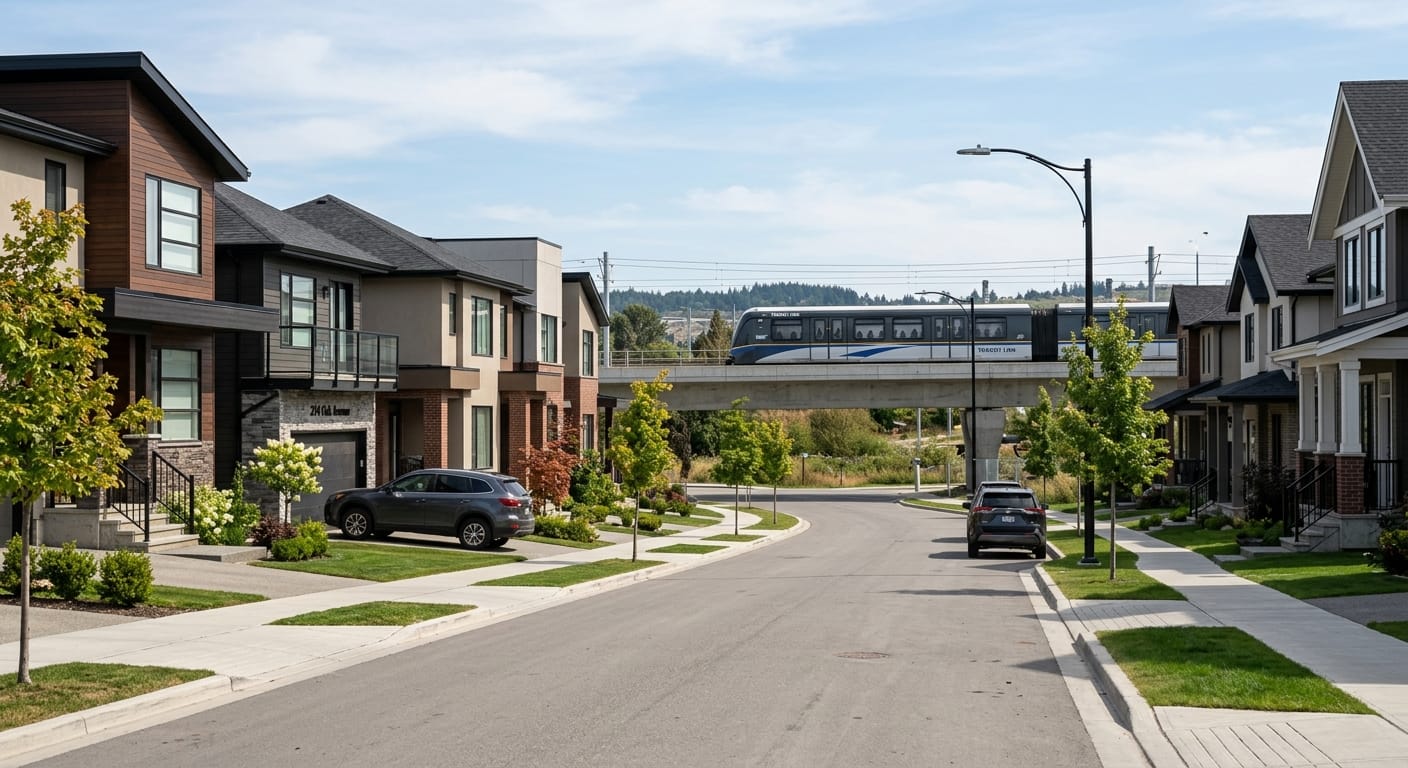
We’ve all heard that "location, location, location" is the golden rule of real estate. In the suburbs, that really means "connectivity." When a town adds a new highway exit, a light rail station, or improved traffic corridors, it changes the math of the neighborhood.
When it's easier to get to work, more people want to live there. Higher demand leads to higher prices. Properties near new transit links, like a train station opening within a half-mile, usually see their values grow 5% to 7% faster than homes that are isolated.
Before you buy, take a look at the town’s transportation budget. Is that "proposed" highway expansion actually funded and under construction? A funded project is a green light for your home’s future value.
Case Study: The Transit Premium in Action
To see how infrastructure impacts value, I analyzed two markets where transit projects changed neighborhood economics between 2021 and 2026:
-
Charlotte, NC (LYNX Blue Line Extension): In the NoDa and University City neighborhoods, the LYNX Blue Line extension has significantly shifted values. Research from 2022–2024 indicates that residential properties within a half-mile of the 11 new stations appreciated roughly 12–18% faster than comparable homes elsewhere in Charlotte. The project spurred over 5,000 new apartments and a wave of mixed-use commercial buildings, showing that funded transit links are direct catalysts for equity.
-
Bellevue, WA (Sound Transit 2 Line / East Link): The Spring District and BelRed neighborhoods show how new rail access transforms industrial zones. As the 2 Line began service in 2024 and 2025, Bellevue’s average home values increased 11.7% year-over-year (as of April 2025). The transition from warehouses to urban housing created a valuation premium that outpaced the broader Eastside average, providing a clear ROI floor for new builds in the area.
Utilities: The "Invisible" Value Driver
It isn't a popular topic at dinner parties, but water, sewer, and power grids are the invisible foundations of your ROI. A town that keeps its pipes and grids up to date can handle more people and more businesses without charging you emergency tax levies.
If a town ignores its infrastructure, it eventually hits a wall. When the sewer system can’t handle more houses, the town stops letting people build. When growth stops, appreciation usually stops with it. Even worse, aging infrastructure leads to municipal bonds, which often mean higher property taxes for you. When you’re looking at a new area, check the local utility master plan. A town prepared for the future is a safer place for your money.
Local Business: Your Equity’s Shield
A residential neighborhood needs a strong local economy to stay healthy. When a town attracts new employers, like medical centers, office parks, or retail anchors, it creates local jobs and stabilizes your property taxes.
Suburbs that are strictly "bedroom communities" (where everyone leaves for work) are more sensitive to market shifts. If the big city nearby has a bad year, the bedroom community feels it immediately. But a suburb with its own commercial base is much more stable.
Think about a community that secured a regional medical center as an anchor tenant. The influx of professionals created immediate housing demand. More importantly, the tax revenue from that hospital allowed the town to fix roads and parks without raising residential property taxes. Within two years, homes nearby saw a 12% premium in value compared to identical homes in towns without a commercial anchor.
Using eppraisal to Find the "Why"
The hard part for most buyers is finding and reading all this data. Zoning laws, transit budgets, and commercial permits are often buried in municipal archives.
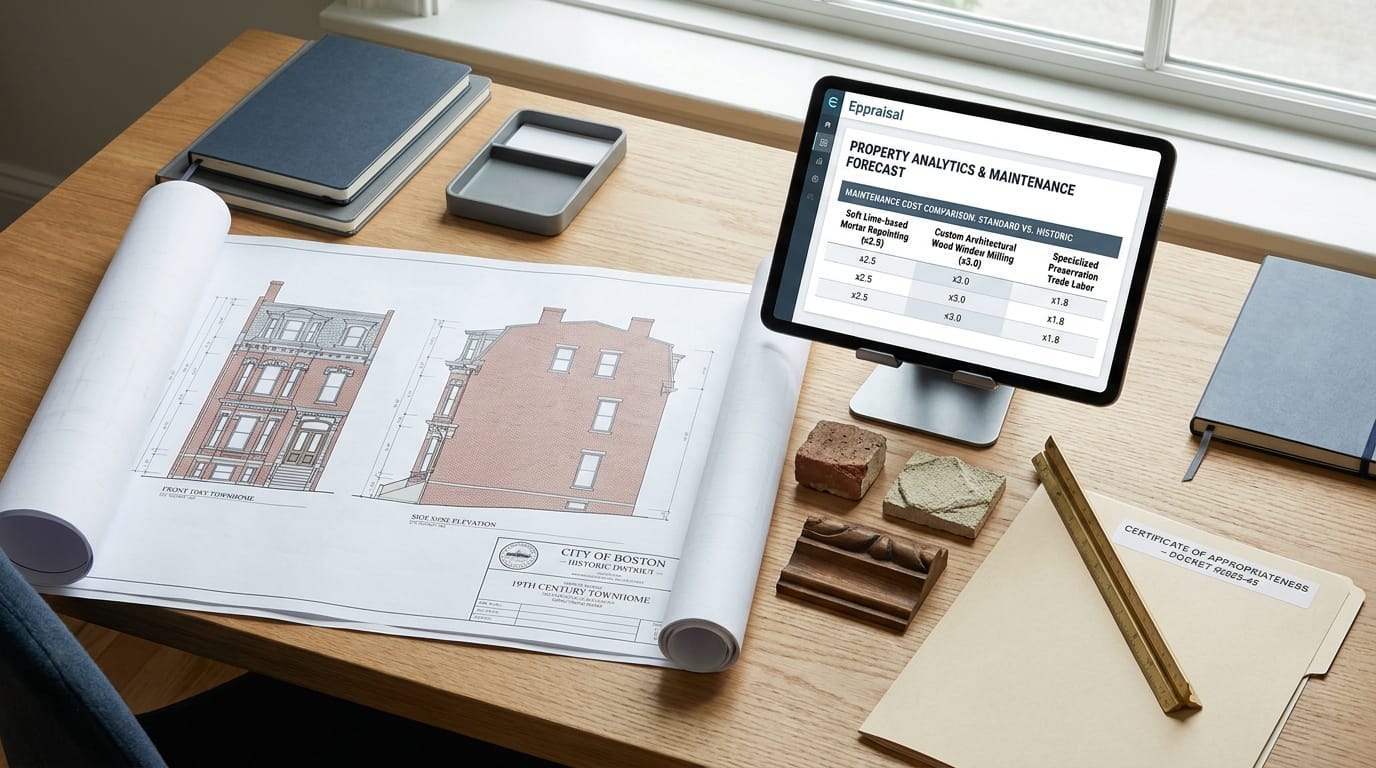
That is why we built eppraisal Agent. We want to give you the "why" behind the numbers. We translate complex municipal planning records into plain English so you can see the structural factors driving a neighborhood's future. When you review Estimated Property Valuations on our site, you can also see the quantitative audit of the local infrastructure. We help you see if a neighborhood is actually a good investment.
Secure Your Suburban Premium
Buying a new suburban home is a great opportunity, especially with city prices where they are today. But to get the best return, you have to look beyond the house itself.
Focus on transit, utility planning, and local business growth. When you invest in a home, you're really investing in the town that supports it. Use eppraisal today to check the infrastructure data for your target neighborhood and see our latest Estimated Property Valuations.