The Inventory Illusion: Why a 1.9 Million Home Shortfall is the Ultimate Valuation Floor
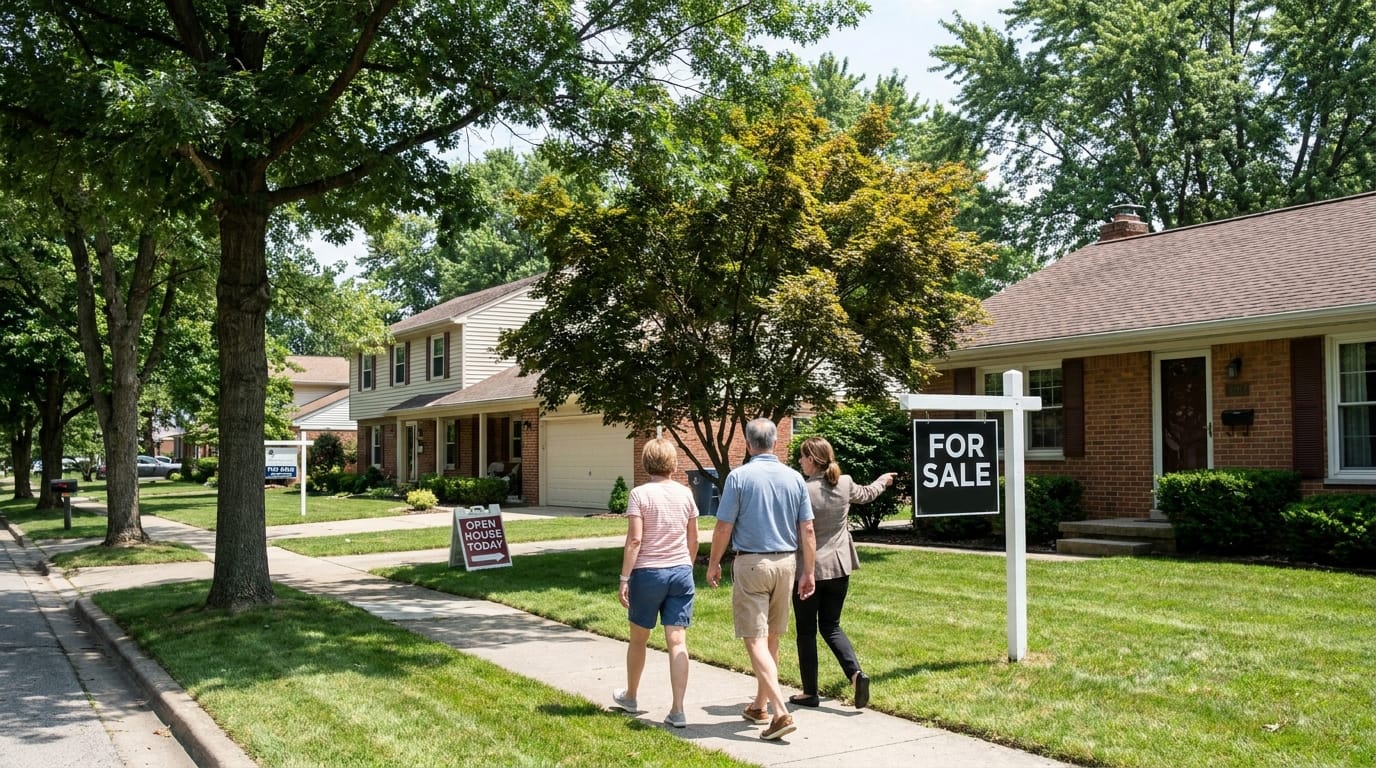
Today's housing market can feel like a contradiction. While you might see more "For Sale" signs in your neighborhood or read headlines about homes sitting on the market longer, the underlying reality remains defined by a massive shortage. Current data shows a national shortfall of roughly 1.9 million homes. This shortage acts as a physical "floor" for property values, preventing the sharp price drops many people expect when inventory levels rise.
Understanding the 1.9 Million Home Shortage
This housing gap didn't happen overnight. It's the result of nearly twenty years of underbuilding. After the 2008 financial crisis, new home construction slowed down significantly and never quite caught up with our growing population. This 1.9 million home shortfall is the number of houses we would need to build right now just to bring the market back to a healthy balance.
When analyzing the market, it’s important to distinguish between "active listings" and the total number of houses that exist. A surge in listings, like what we’ve seen recently, gives buyers more options, but it doesn't solve the long-term shortage. Until we see a significant increase in the total number of available front doors, this scarcity will continue to support home values. This deficit creates a market where multiple buyers are often still competing for a limited number of move-in-ready properties, keeping a steady base under prices.
The "Replacement Cost Floor"
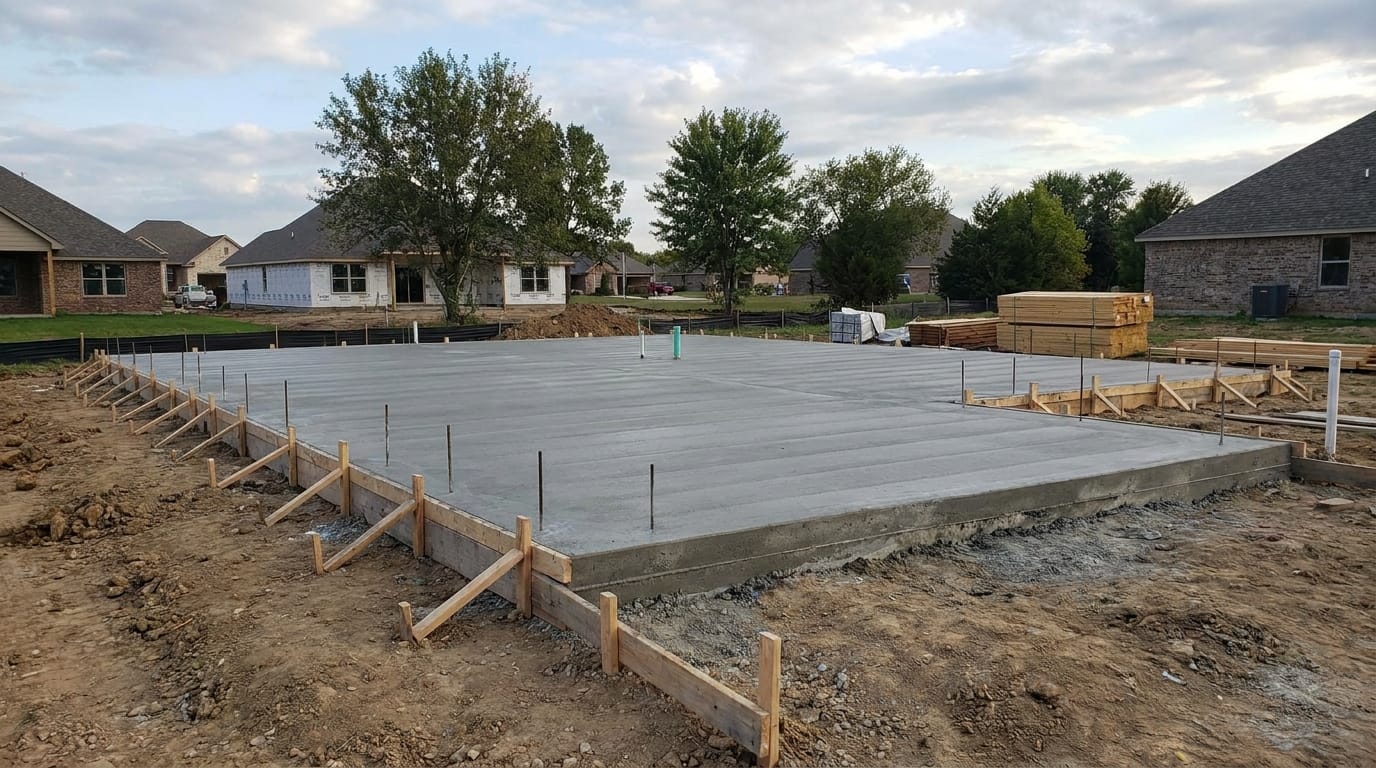
Beyond simple supply and demand, there's another factor keeping home values stable: the cost to build a new one. This is known as the "Replacement Cost Floor." It includes the price of land, materials, labor, and the permits required to build a house from scratch. In 2026, these costs have stayed high due to inflation and a shortage of skilled construction workers.
Because new homes are entering the market at higher price points to cover these costs, they set a benchmark for the entire market. Existing homes, even those that might need some updates, keep their value because they're still a competitive alternative to building a new house. It's mathematically difficult for home prices to fall below what it would actually cost to replace them. This economic reality means that even if more homes are listed for sale, the price floor remains anchored to the real-world costs of construction.
Inventory Liquidity and the July Surge
This July, we saw a notable increase in new listings. In some circles, this is seen as a sign that a crash is coming. However, when we look closer, this shift is actually about "inventory liquidity", a move toward a more functional market. Higher liquidity means that homes are moving more frequently and with less friction, giving buyers more choices and sellers more realistic expectations about how long it'll take to sell.
The July surge didn't happen in a vacuum. It followed a long period where very few people were moving. Many homeowners who had been waiting for the right time are now entering the market, creating a more balanced environment. While this can slow down how fast prices go up, it isn't enough to solve the 1.9 million home shortfall. The market is moving from a state of extreme scarcity to a healthier level of movement, but the fundamental lack of total houses continues to act as a buffer against major price drops.
Why Aren't Home Prices Falling?
If homes are taking longer to sell, it’s natural to wonder why prices aren't dropping faster. The answer lies in the difference between "market velocity" (how fast a home sells) and "asset valuation" (what the home is worth). The speed of sales has slowed because buyers are being more careful with their budgets, but the value of a home remains high because there simply aren't enough of them to go around.
You may see some sellers dropping their initial list prices, but this is often just a correction. Many sellers started with an "aspirational" price, a number they hoped to get, and are now adjusting back to what the market actually supports. This is a sign of a healthy, functioning market rather than a sign of a crash. As long as the physical shortage exists, the baseline value of a move-in-ready home stays mathematically secure.
The Reality of a Market Crash
The fear of a housing crash is often based on what happened in 2008, but the current market is very different. A crash requires two things: a massive oversupply of houses and homeowners who are forced to sell no matter what. Today, we have the opposite. We have a historic shortage and homeowners with record levels of equity. Most people today have low, fixed-rate mortgages and don't have to sell if they don't want to. Without a flood of "forced" sales, the math for a crash simply isn't there.
Using the eppraisal Agent to See the Local Math
Real estate is hyper-local. A shortage in one city might look very different from a shortage in another. To make a smart decision, you need to see exactly what's happening in your specific neighborhood. The eppraisal Agent translates complex market stats into clear, actionable insights. By analyzing local "absorption rates" (how quickly homes are being bought in your zip code), it helps you see exactly how the supply shortage is affecting your area. Instead of relying on national headlines, you can use objective data to find the "Resiliency Premium" in your local market, the extra value a home holds because of local demand. This clarity allows you to move beyond market anxiety and focus on the exact math of your next move.
FAQs
Home prices remain stable primarily because the U.S. is short by approximately 1.9 million homes. While we are seeing more homes listed for sale, these are mostly existing houses changing owners rather than new ones being built. This shortage, combined with high construction costs, creates a "floor" that keeps values steady even when the market slows down.
A crash like 2008 is unlikely because today's market is defined by a supply shortage rather than a surplus of homes. Lending standards are much stricter now, and most homeowners have significant equity in their properties. Without a flood of foreclosures or forced sales, the structural math for a crash isn't present.
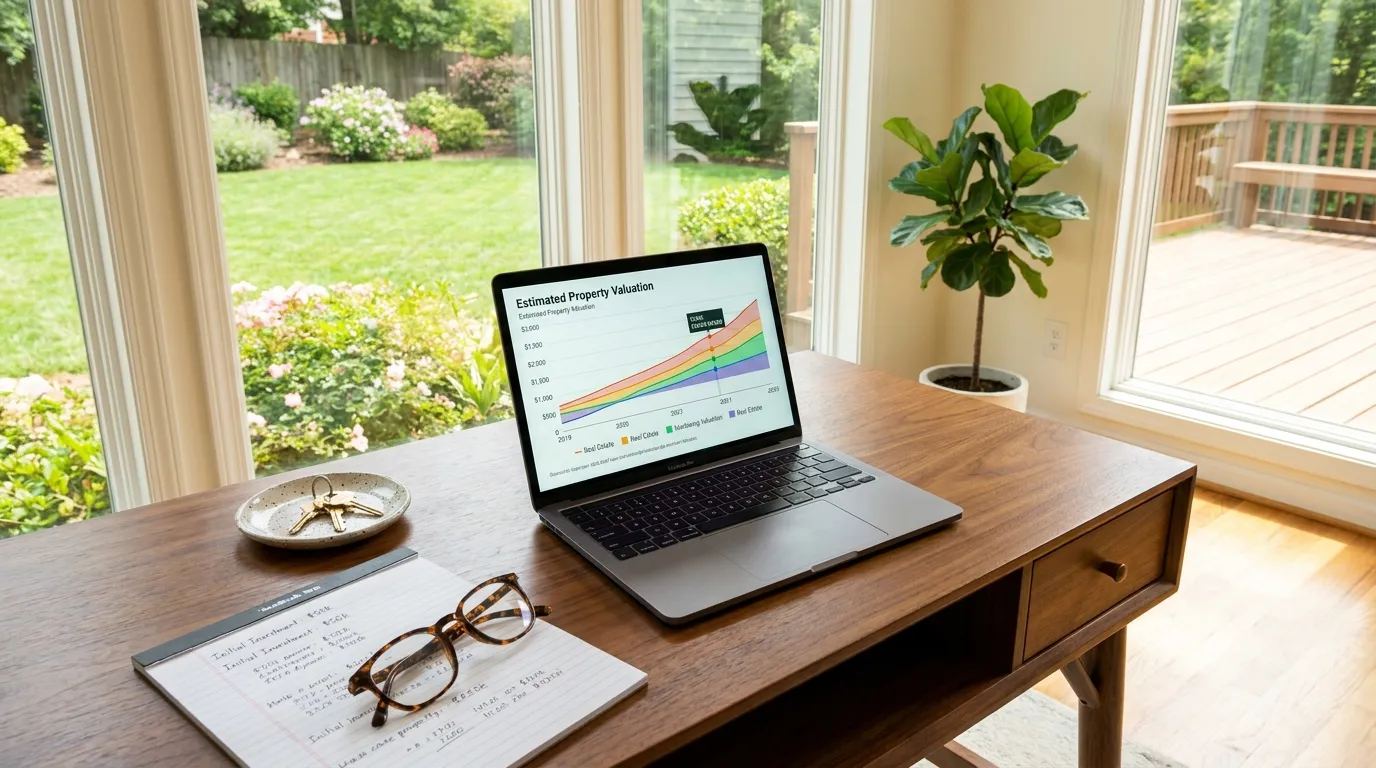
Estimated Property Valuations are Automated Valuation Models (AVMs) built from comparable sales, market trends, and property characteristics. Like any AVM, they carry a margin of variance and should be used as a directional data point alongside professional guidance.
The July shift increases "inventory liquidity," which means there are more choices for buyers and a more balanced pace for sellers. While this can slow down price growth, it doesn't cause a drop in long-term value because the total number of houses available is still far below what the country needs.
For generations, the real estate market followed a predictable seasonal rhythm. The market thawed in early spring, buyer activity peaked in May, and by July, inventory and enthusiasm began to wane as families settled in before the school year. However, 2026 has fundamentally altered this calendar. Driven by early-year
If you have been waiting for mortgage rates to drop back down to 4%, you aren't alone. However, as we move through the year, it's becoming clear that 6.5% has stabilized as the new baseline. For many looking to buy or move up, this feels
When analyzing the current housing market, the "Lock-In Effect" is almost universally defined by the gap between low historical mortgage rates and the current 6.5% environment. While interest rates are a significant hurdle, a second, more permanent financial barrier has emerged for millions of American families.