The "Second Spring" Phenomenon: Why July is the New May for 2026 Homebuyers
For generations, the real estate market followed a predictable seasonal rhythm. The market thawed in early spring, buyer activity peaked in May, and by July, inventory and enthusiasm began to wane as families settled in before the school year. However, 2026 has fundamentally altered this calendar. Driven by early-year market uncertainty and a recent stabilization of mortgage rates between 6.3% and 6.5%, the traditional spring buying peak has migrated. Welcome to the "Second Spring" phenomenon, where July has emerged as the definitive window for both selection and negotiation.
The End of the Lock-In Effect and the 8% Thaw
To understand why July is seeing a projected 14% jump in sales activity, we have to look at the objective math behind the national inventory. Housing supply has increased by an estimated 8% to 9% year-over-year. This is not a sudden flood of distressed properties or a signal of a market crash, but a measured, healthy "thawing" of supply.
For the past several years, the "lock-in effect", where homeowners felt financially trapped by their existing 3% mortgage rates, severely constrained the market. However, we've reached a statistical breaking point. Structural life events such as job relocations, retirement, and expanding families are finally outweighing the financial desire to retain a low interest rate. Homeowners are deciding that lifestyle utility matters more than the interest gap, bringing a fresh, substantial wave of inventory to the market right in the middle of summer.
The July "Selection Peak"
The influx of new listings has transformed July into a true "Selection Peak." In a typical year, mid-summer buyers are left picking through the remnants of the spring inventory, often properties that require significant repairs or were initially overpriced. In 2026, the opposite is true. The highest concentration of quality, move-in ready homes is hitting the market right now.
This dynamic completely removes the urgency that characterized recent years. Buyers are no longer forced to waive inspections, ignore structural red flags, or engage in frantic bidding wars over a single property. Instead, this selection peak provides buyers with the time to conduct proper due diligence and the leverage to negotiate favorable terms. The power dynamic is shifting toward a balanced environment, bringing many local markets to a roughly 3-month supply of inventory.
The Price Pullback: Moving from Aspirational to Realistic
Alongside the increase in inventory, we're witnessing a critical shift in pricing strategy. During May and June of this year, the market experienced the sharpest annual drop in list prices in nine years. Sellers are pivoting from "testing the market" with aspirational numbers to "pricing to sell."
This "Reality Check" pullback means that the homes currently hitting the market are more likely to be priced according to current economic realities rather than the peak frenzy of previous years. Sellers recognize that buyers are navigating a 6.5% mortgage baseline, and they are adjusting their expectations accordingly to secure a successful transaction. This normalization is a sign of a healthy, functioning market where prices reflect actual purchasing power rather than speculative fervor.
The Mechanics of the Transaction: Leveraging the Pullback
For buyers, the Second Spring offers more than just a wider selection of homes; it offers tangible financial leverage at the negotiation table. Because listings are spending slightly more days on the market, sellers are increasingly open to concessions.
Instead of simply asking for a price reduction, savvy buyers are utilizing this leverage to request credits for closing costs or rate buydowns. For example, negotiating a $10,000 seller credit to permanently buy down your mortgage rate or cover closing costs often yields a much higher return on investment and lower monthly payment than reducing the purchase price by the same $10,000. The July market provides the breathing room necessary to structure these optimized agreements without the threat of a competing cash offer sweeping in overnight.
Regional Divergence: The Rise of the Value Hubs
It's important to note that this "Second Spring" is not unfolding identically across all markets. We're seeing a distinct regional divergence in how inventory and pricing are behaving. While certain Mountain West and Southwest markets are currently undergoing price corrections due to a glut of new construction and investor offloading, buyers are increasingly migrating toward "Value Hubs."
These hubs, predominantly located in the Northeast and Midwest, offer higher affordability and structural resiliency. They're becoming prime targets for buyers looking to maximize their purchasing power in the current rate environment. In these areas, the July inventory bump is providing much-needed relief to buyers who have been waiting on the sidelines for years.
Navigating the Second Spring with the eppraisal Agent
While the broader market trends point toward increased inventory and more realistic pricing, real estate remains a hyper-local asset class. The key to successfully navigating the July market is verifying that the specific homes you're interested in actually reflect these national trends.
This is where objective, local data becomes critical. As new inventory hits your neighborhood, you need to know if a seller is pricing their home according to the current "Price Pullback" or if they are still anchored to over-aspirational spring expectations.
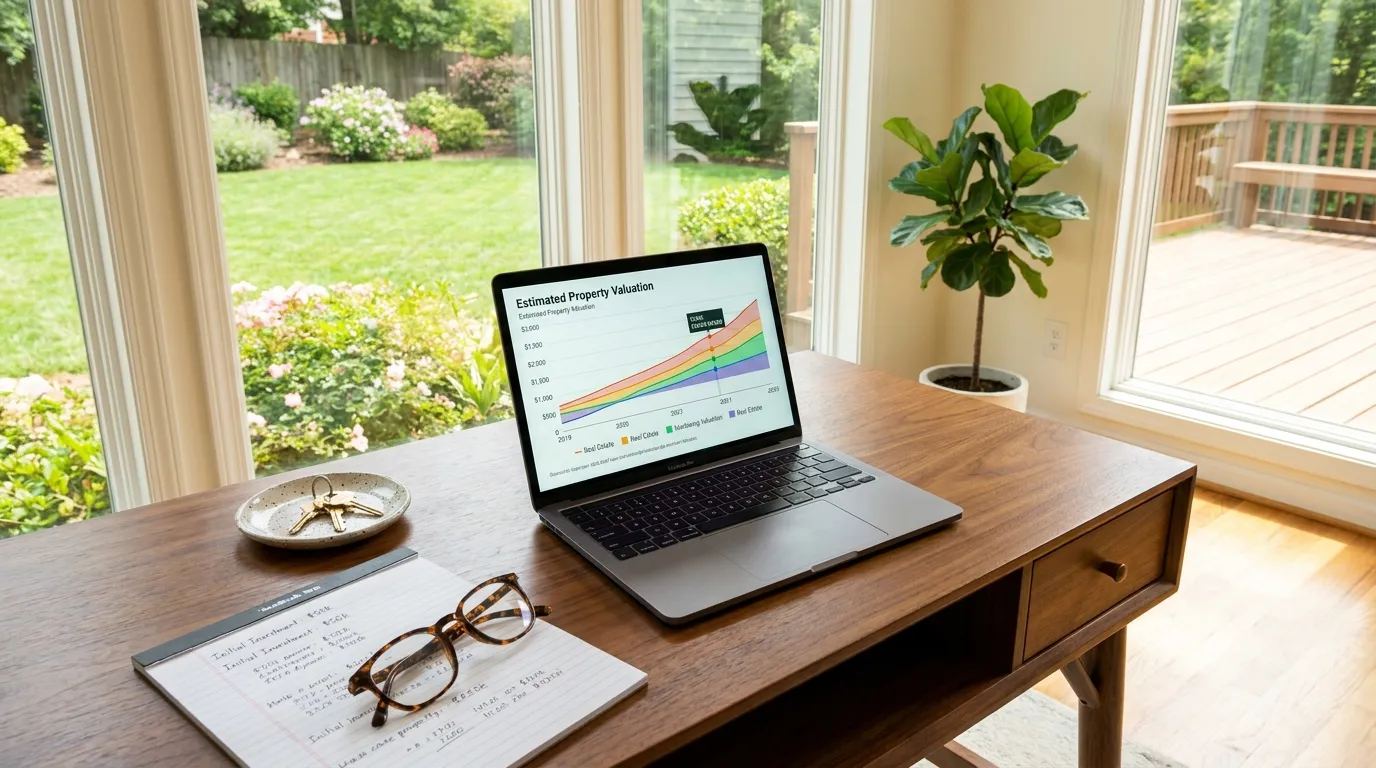
By utilizing the eppraisal Agent, you can instantly run Estimated Property Valuations on new listings. This allows you to cut through the marketing noise and analyze the hard infrastructure and economic data of a property. Rather than guessing if a home is priced correctly for the current 6.5% baseline, you can approach the transaction with verified math, ensuring your real estate decisions are grounded in objective reality. The tool provides the context you need to know exactly where you have negotiation leverage.
The 2026 market requires patience and precision. July offers the selection; the right data ensures you make the right choice.
FAQs
Yes, July 2026 offers a unique "Selection Peak" for homebuyers. Housing supply has increased by an estimated 8% to 9% year-over-year, providing the highest concentration of move-in ready homes this year. This influx gives buyers more time for due diligence and greater leverage to negotiate favorable terms without frantic bidding wars.
Inventory is thawing because structural life events are finally outweighing the desire to keep a 3% mortgage rate. Homeowners are deciding that lifestyle utility matters more than the interest gap, bringing a fresh wave of listings to the market. This shift is driving a projected 14% jump in sales activity during the mid-summer window.
No. Eppraisal is an AI-powered software platform. It does not list properties, represent buyers or sellers, or facilitate transactions. It provides analytical tools and data context to help you make more informed real estate decisions independently.
You should compare the listing price against recent hyper-local data and the national price pullback trend. Buyers can use the eppraisal Agent to run precise Estimated Property Valuations on new listings. This objective math helps you verify if a seller is pricing realistically for the 6.5% mortgage baseline or if they are over-aspirational.
Today's housing market can feel like a contradiction. While you might see more "For Sale" signs in your neighborhood or read headlines about homes sitting on the market longer, the underlying reality remains defined by a massive shortage. Current data shows a national shortfall of roughly
If you have been waiting for mortgage rates to drop back down to 4%, you aren't alone. However, as we move through the year, it's becoming clear that 6.5% has stabilized as the new baseline. For many looking to buy or move up, this feels
When analyzing the current housing market, the "Lock-In Effect" is almost universally defined by the gap between low historical mortgage rates and the current 6.5% environment. While interest rates are a significant hurdle, a second, more permanent financial barrier has emerged for millions of American families.