For decades, the American dream of homeownership was synonymous with a white picket fence, a private lawn, and a detached single-family structure. However, as we navigate the real estate landscape of May 2026, a fundamental shift is occurring. The traditional "starter home", the modest three-bedroom detached house, has largely vanished from the affordable price bracket in many metropolitan areas. In its place, a new reality is taking hold: the Condo Recalibration.
This shift isn't just about a change in preference; it is a response to a market where single-family home prices have maintained a stubborn floor despite fluctuating interest rates. For first-time homebuyers and downsizers alike, condominiums and townhomes are no longer just "stepping stones"—they are becoming the primary destination for those seeking a realistic and sustainable entry point into property ownership. This article explores the economic drivers, inventory metrics, and investment logic behind why attached housing is effectively the new starter home in 2026.
The Great Divide: A Data-Driven Reality Check
To understand why this recalibration is happening, we must look at the math. When comparing current market performance, the divergence between detached and attached housing is stark. Recent market data from early 2026 highlights a significant split in pace and buyer leverage, creating two distinct market experiences within the same zip codes.
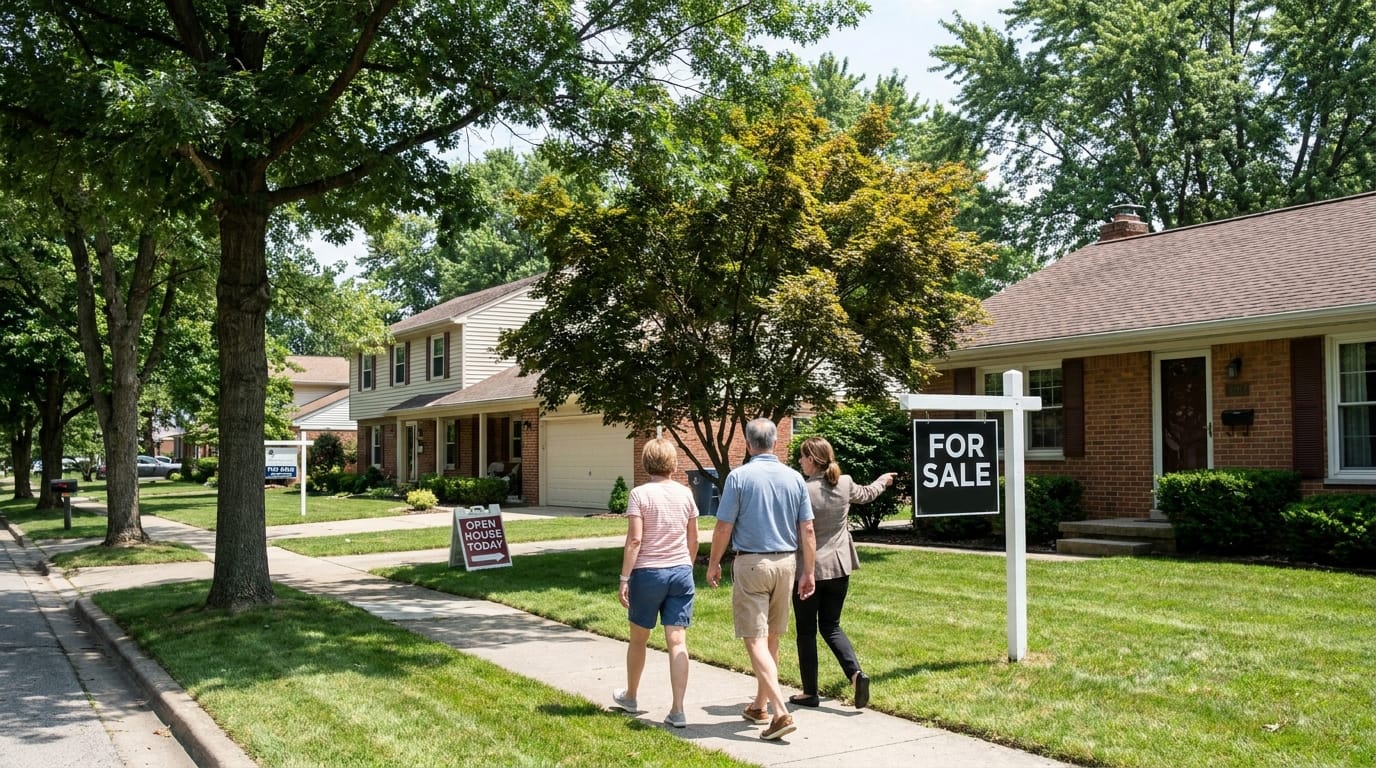
In high-demand markets, the active inventory for single-family homes remains critically low. Current reports indicate that many metropolitan hubs are operating with just 0.8 to 1.2 months of supply for detached homes. This extreme scarcity keeps the market moving at a blistering pace. The average single-family home is clearing the market in just 13 to 20 days. For a buyer, this environment offers almost no time for deliberation and very little room for negotiation; it is a high-pressure "sprint" where list prices often act as a mere starting point for bidding wars.
Conversely, the condominium and townhome sector is showing signs of a "buyer-influenced" normalization. In many regions, condo inventory has climbed toward a healthier 2.5 months of supply. While still technically a seller’s market (which traditionally requires 5–6 months for balance), the relative increase in availability is directly reflected in the days-on-market (DOM) metrics. While single-family homes are clearing in under three weeks, condos and townhomes are often requiring 65 days or more to sell.
This extra time is a vital asset for the modern home seeker. It allows for thorough inspections, more careful financial planning, and the ability to make offers that aren't rushed by the fear of immediate competition. In short, while single-family buyers are sprinting, those looking at a first time homebuyer condo have the space to walk—and negotiate. This discrepancy in "market velocity" is the cornerstone of the condo recalibration.
Why Attached Housing is Winning the Starter Home Race
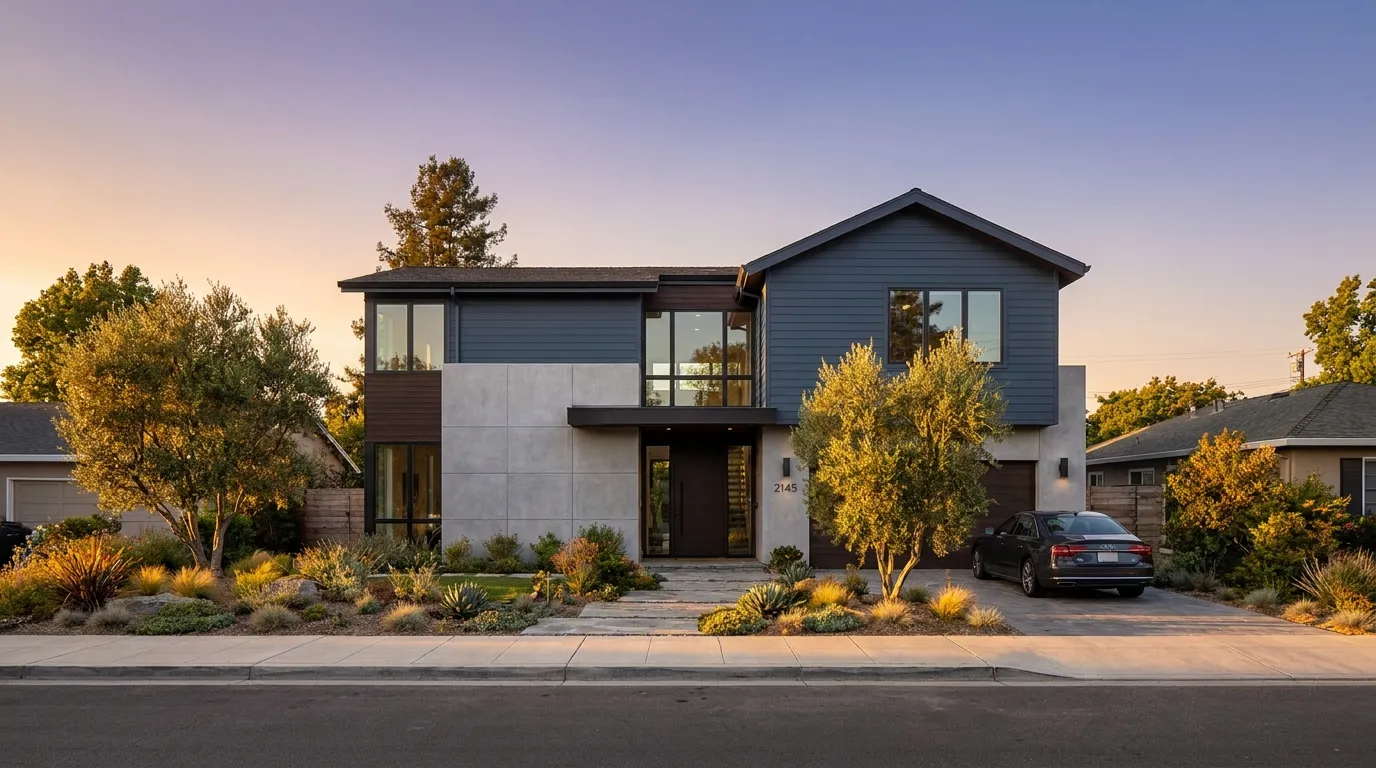
The primary driver of this recalibration is, unsurprisingly, affordability. As of May 2026, the median price for a single-family home in premium markets remains significantly higher than a comparable condominium. For many, this price gap represents the difference between entering the market now or waiting indefinitely for a price correction that may never materialize for land-heavy detached properties.
However, the shift is driven by more than just the sticker price. Buyers are increasingly valuing the "why" behind their property choice, moving beyond raw numbers to look at total cost of ownership and lifestyle utility.
-
Predictable Maintenance and Risk Mitigation The value proposition of a condo lies in its shared infrastructure. For a first-time buyer, the risk of a $20,000 roof replacement or a $15,000 sewer line failure on an older detached starter home can be a financial deal-breaker. In an attached housing environment, these large-scale expenses are managed through the Homeowners Association (HOA). While HOA fees are a visible monthly cost, they function as a form of "forced savings" for major repairs, making the long-term ROI of the property more predictable. In the current economic climate, predictability is a luxury many buyers are willing to pay for.
-
Urban Proximity and Infrastructure Value Townhomes and condos are often situated in areas with higher "street-feel" value—closer to transit, employment hubs, and community amenities. As commute times and fuel costs continue to impact household budgets in 2026, the qualitative benefits of living in a walkable, dense neighborhood often outweigh the quantitative benefit of a private backyard in a distant suburb. This shift aligns with broader condo market trends May 2026, where "amenity-rich living" is outpacing "square-footage-only living" in buyer surveys.
-
The Downsized Demand Overlap It isn't just the youth driving this trend. There is a growing overlap where first-time buyers are competing with downsizers for the same attached-housing stock. Retirees looking to unlock equity from their larger family homes are flocking to luxury condos and high-end townhomes. This cross-generational demand is stabilizing valuations in the attached sector. Even as single-family prices plateau, the constant influx of both new entrants and exiting retirees ensures that well-located attached units maintain their Estimated Property Valuations.
Townhome vs. Single Family Investment: A Strategic Pivot
When evaluating a townhome vs single family investment, the conversation often turns to land ownership. Historically, land appreciation was the primary engine of real estate wealth. However, the 2026 market is proving that utility and location can be equally powerful drivers of value.
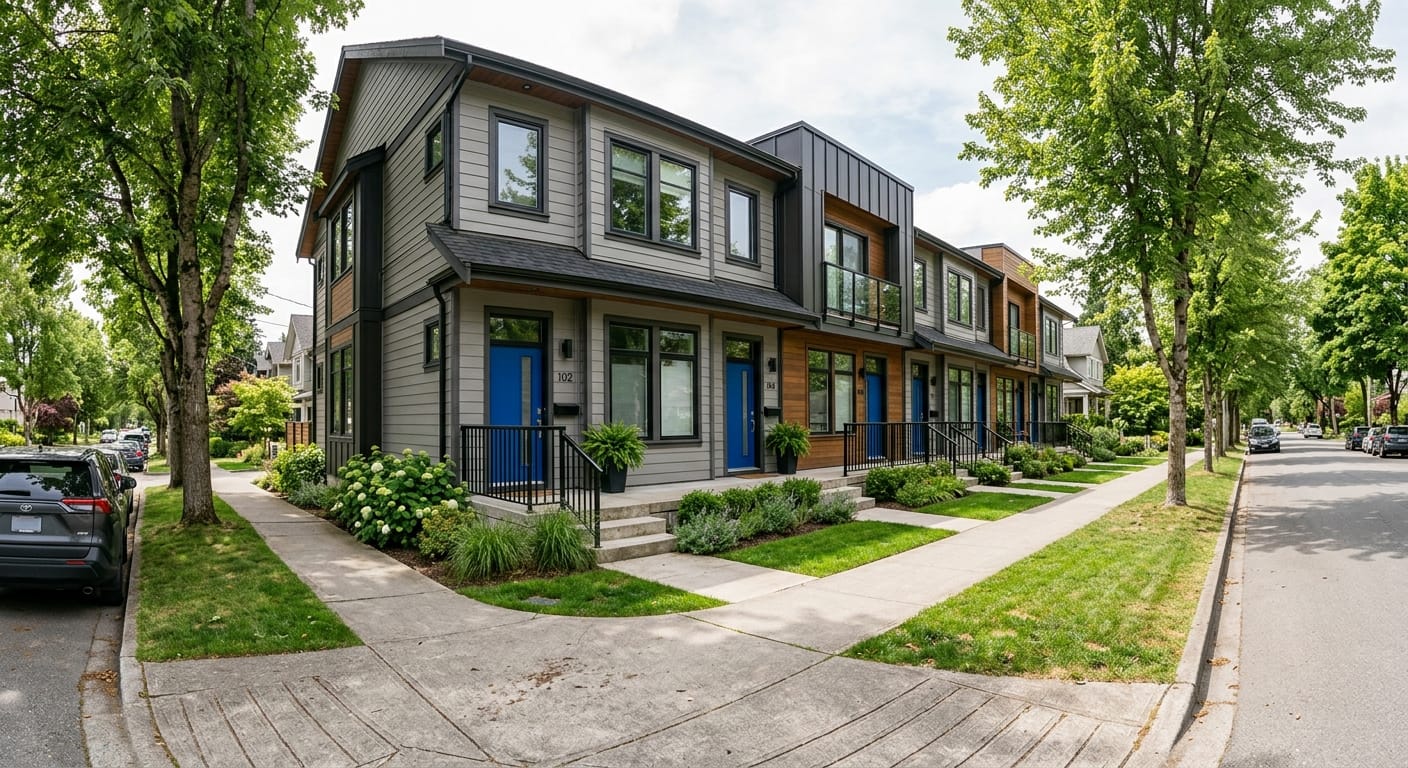
A townhome often offers the "best of both worlds"—a vertical footprint that provides more privacy and square footage than a traditional apartment-style condo, but with the shared maintenance benefits of an attached community. For an investor or a homeowner looking for long-term equity, the townhome is currently a high-leverage asset. Because they are often priced lower than detached homes but rent for nearly the same amount in urban centers, the "cash-on-cash" return is frequently superior to that of a single-family rental.
Navigating the Market as a First-Time Buyer
If you are a first time homebuyer condo seeker in today’s market, your strategy should be built on leverage. Unlike the 2021-2022 era of "waived everything," the current condo recalibration allows for traditional due diligence. The goal is to use the increased inventory to your advantage.
What to look for in the current climate:
-
Inventory Concentration: If a specific building has a high percentage of units for sale simultaneously, use that as leverage to negotiate incentives such as mortgage rate buydowns or credits toward HOA dues.
-
Days on Market Leverage: If a unit has been active for more than 45 to 60 days—which is becoming common for condos in 2026—it is a prime candidate for a below-list offer. Sellers in this segment are becoming more realistic about pricing than they were 12 months ago.
-
HOA Financial Audits: A "Neutral Expert" view suggests that a building with slightly higher monthly fees and a 100% funded reserve study is a much safer investment than a building with artificially low fees and a history of deferred maintenance.
The Role of Technology in Valuation
As the market recalibrates, the way we value these homes is also evolving. Buyers are no longer relying solely on the "last sold" price of a neighbor's unit. Modern Estimated Property Valuations now integrate real-time data from local inventory levels and days-on-market trends. This means that if the condo market in a specific neighborhood is softening relative to single-family homes, the valuation models adjust rapidly, allowing buyers to make data-backed offers that reflect the current "buyer-influenced" reality rather than outdated 2025 pricing.
This technological transparency is particularly helpful for those navigating the townhome vs single family investment debate. By accessing detailed digital appraisals, buyers can see exactly how much of their investment is tied to the structure versus the land, and how the "walk score" of a condo unit contributes to its long-term appreciation potential.
The New Standard of Entry
The real estate market of 2026 is no longer a monolith. While the single-family sector remains a high-velocity environment characterized by extreme scarcity, the attached-housing sector has emerged as a diverse, accessible, and strategic alternative.
The Condo Recalibration represents a maturing of the American market. It is an acknowledgment that the "starter home" isn't defined by a specific type of building or the presence of a private lawn, but rather by its role as a functional entry point into wealth building and community stability. By focusing on Estimated Property Valuations that prioritize long-term ROI and qualitative livability over the prestige of a detached lot, today’s buyers are finding a path to homeownership that is both realistic and resilient.
As we look toward the remainder of 2026, the demand for townhomes and condominiums is expected to remain a primary driver of market volume. For those willing to recalibrate their expectations and focus on the inventory data, the opportunity to secure a home in a competitive landscape has never been more attainable. The white picket fence hasn't disappeared; it has simply been reimagined for a more vertical, efficient, and accessible future.