The Grid-Ready Mandate: Protecting Your Profit When Selling
A Seller’s Guide to Managing Electrical Upgrades and Keeping Your Equity
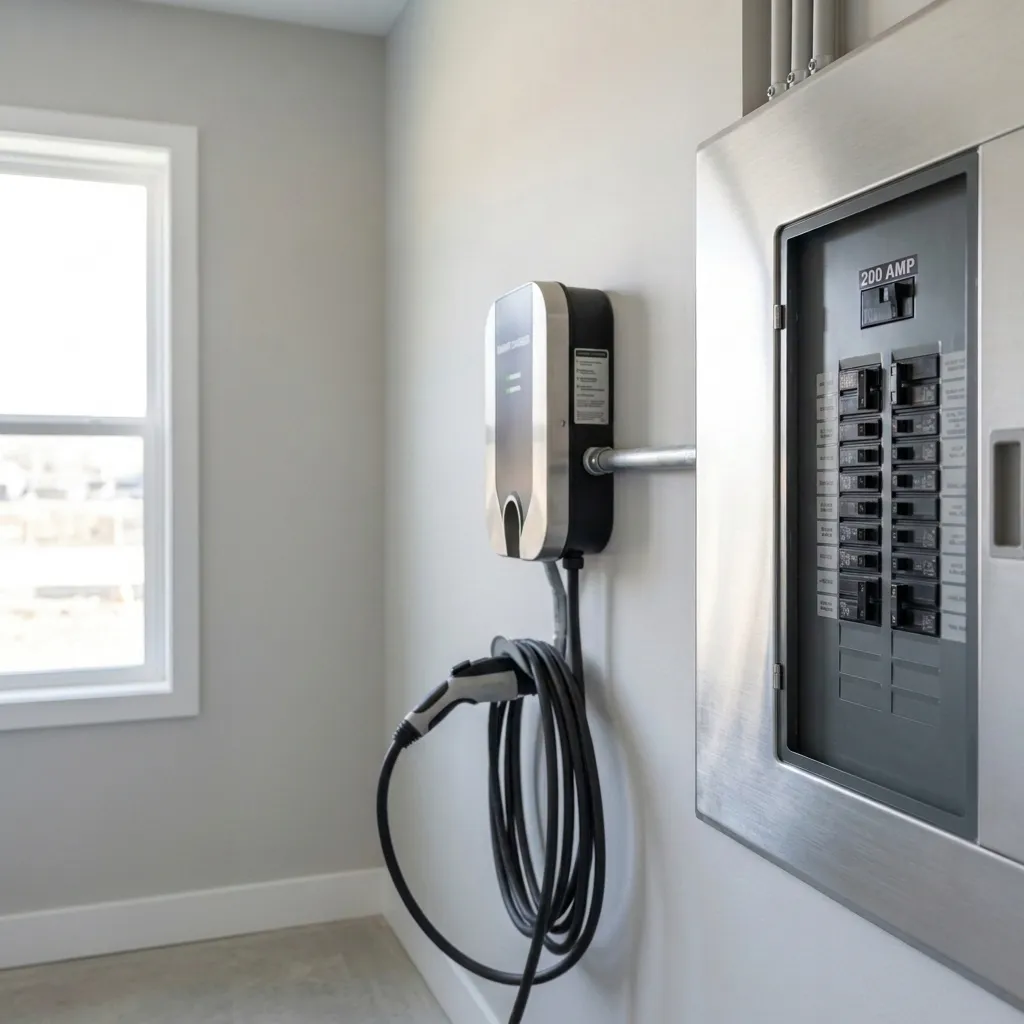
Selling your home is a numbers game, and most of those numbers usually go toward making the place look its best. You might think about fresh paint or a kitchen refresh, but there's a hidden part of your house that's starting to have a much bigger impact on your final paycheck: your electrical panel. Because of new national standards and local laws in 2026, that old 100-amp panel in your garage is moving from a minor detail to a major hurdle.
For someone selling a home, an outdated electrical system isn't just a "fixer-upper" item anymore. In many cities, it can actually stop your sale from moving forward until it's upgraded. This guide translates these new complicated rules into simple math, so you can decide if it’s better to pay for an upgrade now or give up even more of your money during closing negotiations later.
Why Your Old Panel Is "Full"
Modern life needs a lot more power than it used to. In previous years, a 100-amp panel was plenty for a stove, a dryer, and some lights. But today, buyers are looking for homes that can support two major things: an electric vehicle (EV) charger and an electric heat pump for heating and cooling. Adding both of these to an older 100-amp panel is like trying to plug ten appliances into one extension cord, it’s just too much.
The 2026 National Electrical Code (NEC) has set a new standard for "Electrification Readiness." This means that when a home is sold, buyers, and their home inspectors, are checking to see if the house is ready for these modern upgrades. If the panel is at 80% capacity or higher, it’s considered outdated. Instead of a simple repair, this is now viewed as an infrastructure problem that needs to be solved before a buyer is comfortable moving in.
Local Laws and Your Sale
Beyond the national codes, your own city might have rules about what happens when a property changes hands. Some areas now have "point-of-sale" mandates. This means your house has to meet certain energy-readiness benchmarks before the title can officially transfer to the new owner. If your panel isn't up to the new 200-amp standard, the city might actually block the sale from closing.
In some markets, if you don't do the upgrade before you sell, you might be forced into a "Decarbonization Escrow." This is a fancy way of saying you’ll have to leave $2,500 to $5,000 of your profit sitting in a city-managed account at closing. This money is held back to make sure the new owner does the electrical work. Not only is this money coming directly out of your pocket, but it can also make it harder for your buyer to get their mortgage approved.
The Permit Trap
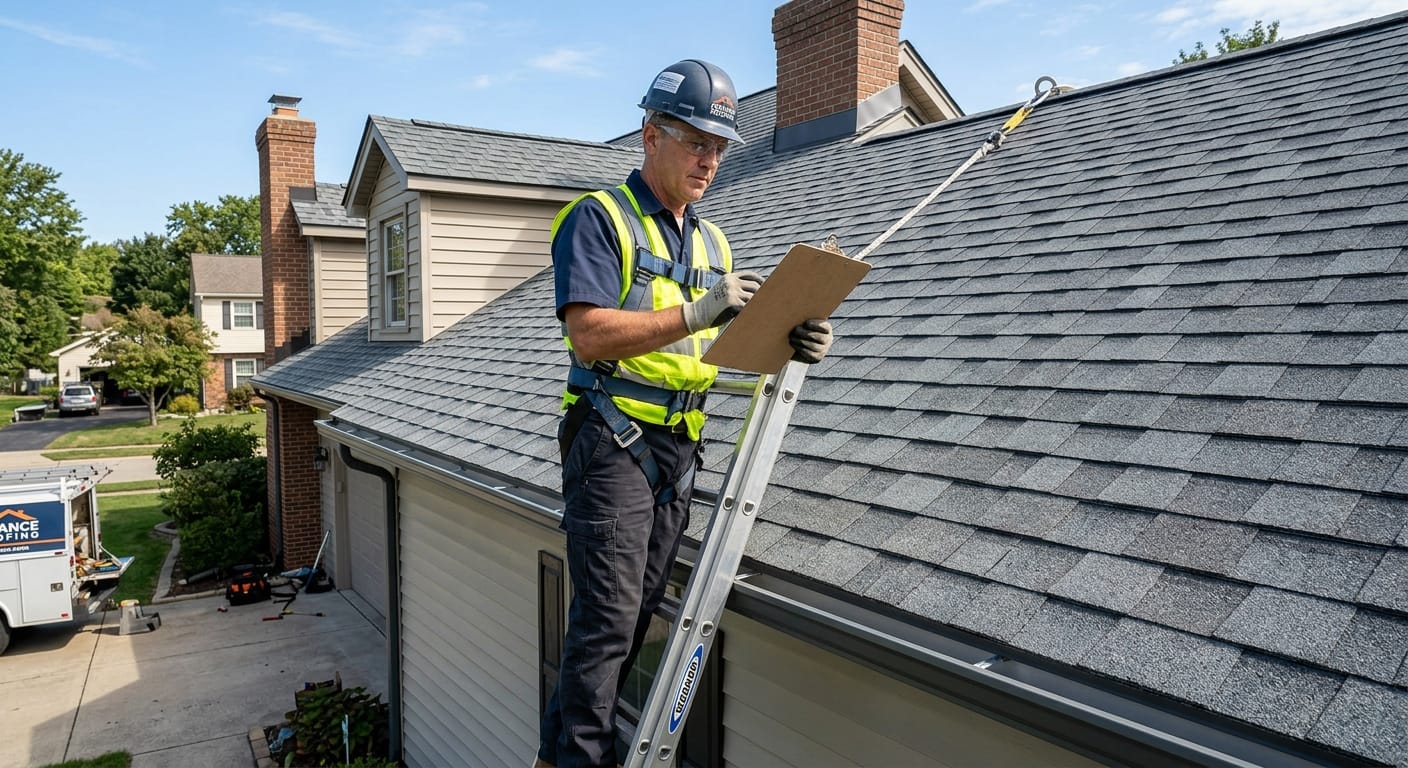
Often, sellers find out about these rules the hard way. If you decide to do a small pre-listing project, like pull a permit for a minor renovation or a new air conditioner, the city inspector will check your whole system. If they see your old 100-amp panel, they might reject your permit until you upgrade the entire service to 200 amps. This can stall your listing and put you in a position where you have to find a contractor and pay whatever they ask just to stay on schedule.
The Math: Upgrade Now or Pay Later?
Deciding whether to upgrade is a simple calculation of what you’ll spend versus what you’ll lose. Right now, a full 200-amp upgrade, including the permits and new equipment, usually costs between $6,500 and $8,500. There are also federal tax credits (up to $600) and state rebates (up to $4,000 in some cases) that can help lower that cost for you.
If you don't do the work, you aren't just saving that $7,500. You are opening the door for the buyer to ask for a "credit." When an inspector flags an old panel, buyers rarely just ask for the cost of the repair. They usually ask for $10,000 to $12,000 to cover the work plus the hassle of dealing with it. By spending $7,500 now, you avoid losing $12,000 later. Proactive sellers end up keeping more of their equity by making sure these infrastructure issues are handled before the home even hits the market.
Use Data to Set Your Price
Knowing how your home compares to the rest of the neighborhood is the best way to choose your strategy. If most houses in your area have already upgraded, your legacy system will make your home look more expensive to own.
FAQs
Upgrading your panel is usually worth the investment because it protects your total profit. While the job costs between $6,500 and $8,500, having it done proactively prevents buyers from asking for much larger price drops of $10,000 or more during escrow. Homes with updated power also tend to sell up to 4% faster in the current 2026 market.
Many local cities have now passed laws that require a home to meet modern "energy-ready" standards before you can finish a sale. If your home still uses an old 100-amp panel, the city might require you to put some of your house profit into an escrow account at closing to pay for the work. This can complicate your closing and make the process more stressful for you and the buyer.
If an inspector finds an outdated panel, the buyer will likely use it as leverage to lower your final sale price. Most buyers will ask for a credit that is thousands of dollars higher than the actual cost of the work to account for their time and effort. Fixing the issue beforehand allows you to control the cost and present your home as a low-maintenance, ready-to-move-in property.
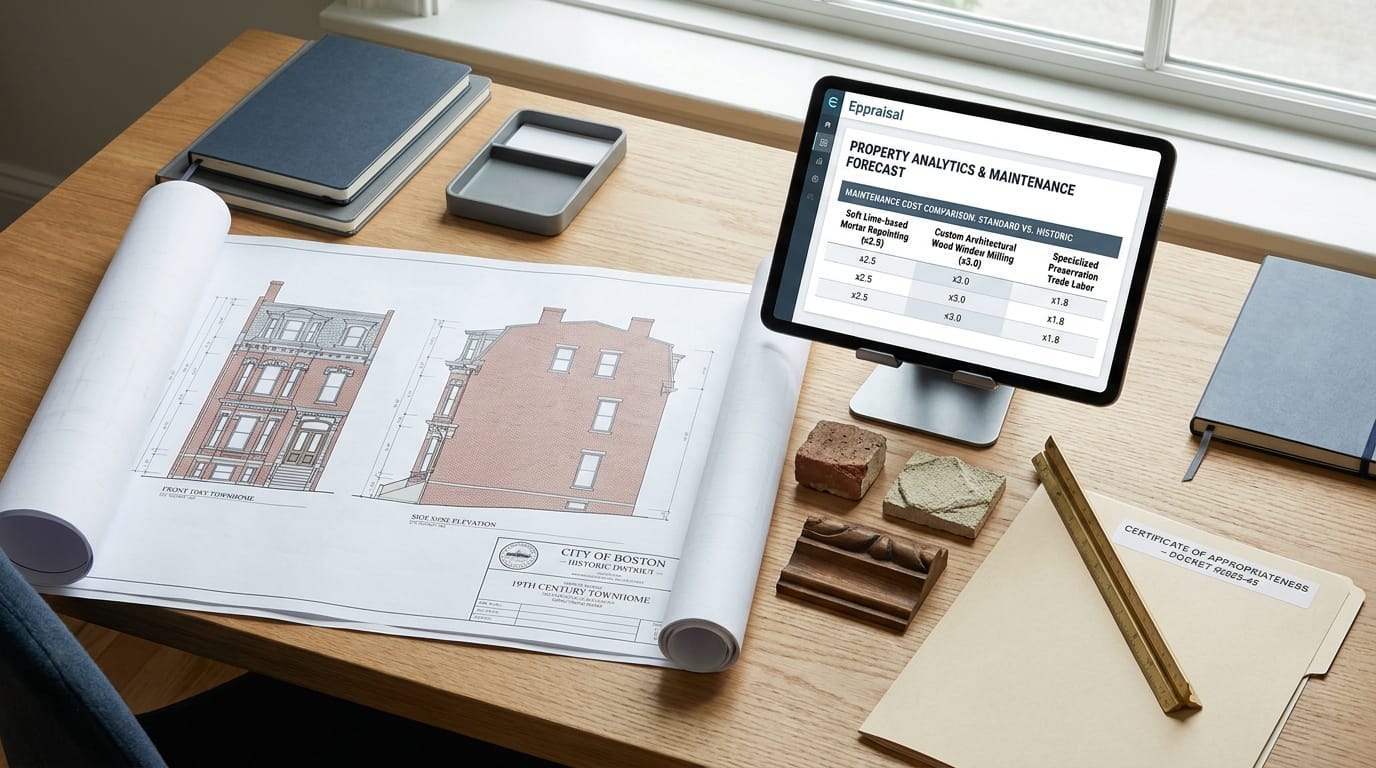
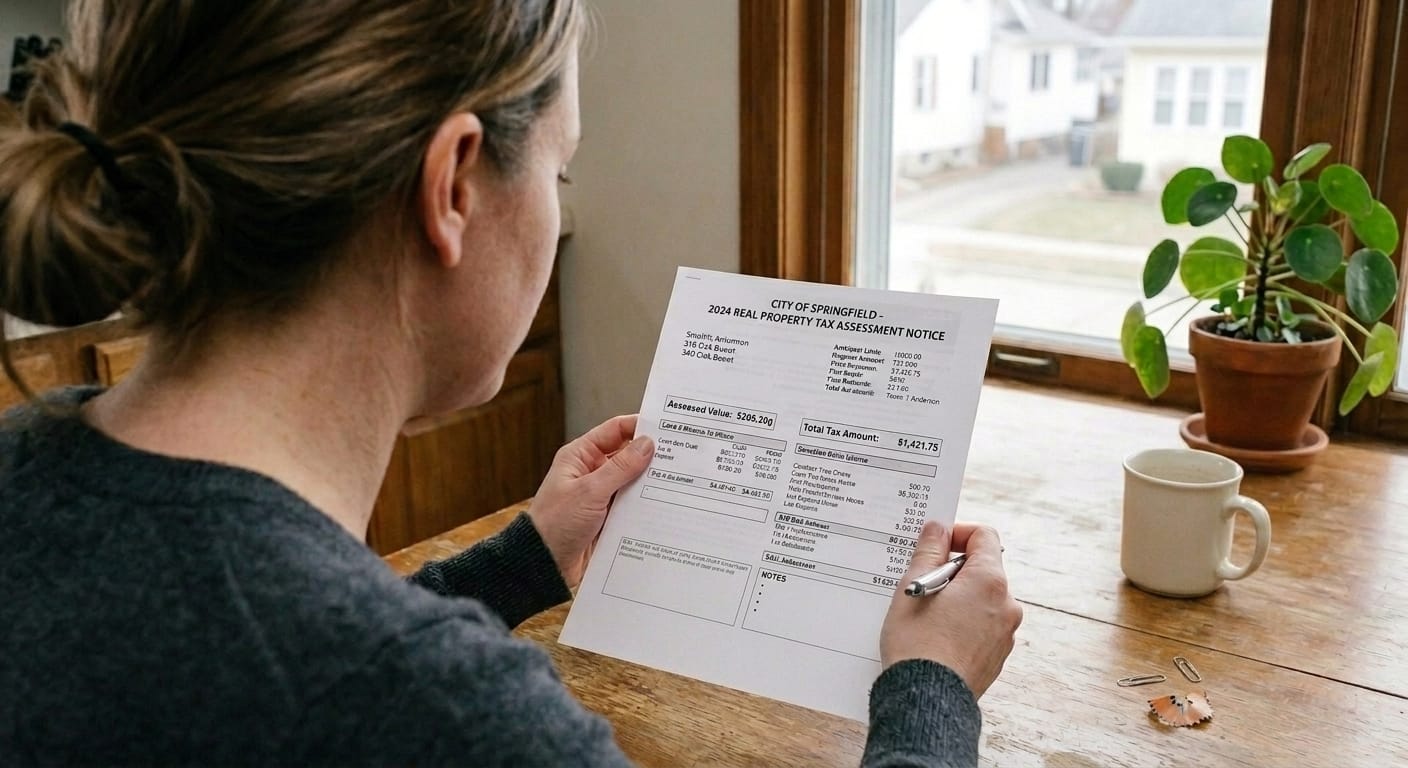
An Estimated Property Valuation provides an independent, objective baseline derived from recent comparable sales and local physical data. Combining an Automated Valuation Model (AVM) report with comparable sales data and property data errosrs can help refute the assessor's mass evaluation calculations.
Estimated Property Valuations are Automated Valuation Models (AVMs) built from comparable sales, market trends, and property characteristics. Like any AVM, they carry a margin of variance and should be used as a directional data point alongside professional guidance.
The Summary
Owning a home in a designated historic district adds distinct architectural charm, but it also brings local rules that change how routine repairs work. Any exterior maintenance visible from the street typically requires a Certificate of Appropriateness from your local preservation board. Because these rules prohibit standard modern
In the real estate market of 2026, the traditional checklist for home value is shifting. While granite countertops and open floor plans still catch the eye, a more critical factor is now determining whether a deal closes or collapses: the insurance profile of the property. As premiums surge across the
For millions of U.S. homeowners locked into a 3 percent mortgage, staying put provides a mathematical shield against current interest rates hovering in the low-to-mid 6 percent range. This "lock-in effect" preserves an artificially low monthly housing payment. However, it also obscures a delayed