The Preservation Spread: Calculating the Real Maintenance Multiplier of Historic District Overlays
The Summary
Owning a home in a designated historic district adds distinct architectural charm, but it also brings local rules that change how routine repairs work. Any exterior maintenance visible from the street typically requires a Certificate of Appropriateness from your local preservation board. Because these rules prohibit standard modern materials like vinyl windows or hard cement mortars, repairs often require custom woodwork, traditional lime mortar, and specialized trades. As a result, exterior upkeep can cost 2.5 to 4 times more than standard home repairs. To protect your home equity and avoid surprises, setting aside 2.5% to 3.5% of your home structure replacement value each year creates a healthy maintenance reserve.
Many homeowners choose historic neighborhoods because they love the mature trees, architectural character, and unique streetscape. However, owning a historic home comes with practical responsibilities that differ from owning a modern house. While most suburban homes only need to meet basic health and safety building codes, properties inside local historic districts follow local design standards created to preserve historic details.
These local rules shape the real cost of everyday maintenance. What starts as a simple repair project on a standard home can turn into a specialized restoration project requiring local permits, skilled craftspeople, and custom-ordered materials. Understanding how these rules affect your repair budget helps you plan your home finances with confidence and protect your long-term equity.
Understanding the Rules: Local Overlays vs. National Registers
When you own a historic property, the first step is understanding which rules apply to your home. Homeowners often hear about the National Register of Historic Places and assume it limits what they can do. In reality, the National Register is an honorary federal list. If you are using your own private funds to repair your home, a National Register listing by itself does not restrict your repair choices or tell you what paint color to pick.
The rules that directly affect your maintenance budget come from local historic overlay districts. These are zoning rules passed by your city or town government and managed by a local historic commission. Local overlay rules have legal authority over exterior changes that can be seen from the street, and in some towns, they apply to side and rear yards as well. Before you can replace siding, install new windows, or change a front porch, you need formal approval from your local historic board before the city issues a standard building permit.
The Certificate of Appropriateness Review Process
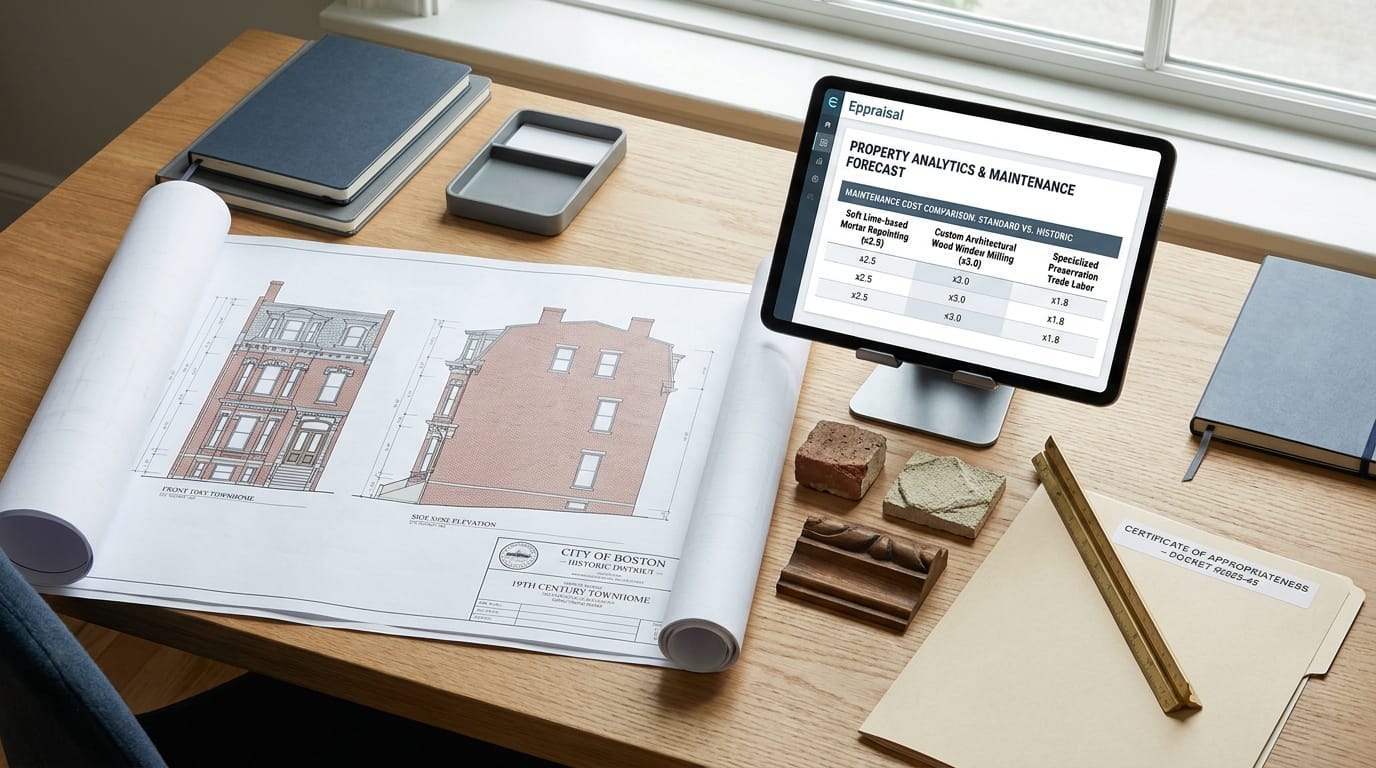
The standard approval document for historic home repairs is called a Certificate of Appropriateness, often referred to as a COA. Before starting exterior work, you or your contractor submit an application showing that your planned repair matches the design standards of your district.
Most local historic guidelines follow federal preservation standards, which focus on keeping original materials whenever possible rather than tearing them out. If an architectural feature is too damaged to repair, the rules usually require replacing it in-kind. That means the replacement piece must match the original material, size, profile, texture, and visual finish.
The review process affects your repair plans in two main ways: timing and preparation. Minor projects, such as repainting with pre-approved colors or replacing small pieces of matching wood trim, can often be approved quickly by city staff within two to four weeks. However, larger projects like replacing windows, rebuilding masonry, or replacing a historic roof must go before the full preservation board at a public meeting. These meetings can add two to four months to your project timeline and may require detailed architectural drawings or material samples. Starting exterior work without this approval can lead to stop-work orders, fines, and costly requirements to remove unapproved materials.
The Material Multiplier: Breaking Down Real Repair Costs
The primary factor driving higher maintenance costs on historic homes is the material requirement. Modern home building relies on mass-produced materials designed for fast installation. Historic district guidelines require traditional materials and techniques that carry higher price tags.
Looking closely at common exterior projects shows how repair costs compare across standard and historic homes:
Window Care and Replacement: On a standard house, replacing an old window with a vinyl or composite unit typically costs between $450 and $900 per window, including installation. In a historic district, vinyl replacement inserts are almost always prohibited. Homeowners generally have two options: restore the existing wood windows by stripping old paint, repairing the wood, and re-glazing for $600 to $1,500 per window, or purchase custom-milled wood replacement windows with authentic divided-light panes for $1,800 to $3,500 per opening. For a home with twenty windows, this difference means spending between $12,000 for standard modern replacements versus $36,000 to $50,000 for preservation-approved wood windows.
Brick and Mortar Repointing: Repointing modern brick with standard Portland cement mortar usually costs $8 to $15 per square foot. However, putting hard modern cement on soft pre-1930s brick causes serious damage. The hard mortar traps moisture inside the wall, causing the faces of the historic bricks to crack and break off during freeze-thaw cycles. Historic districts require soft, breathable, lime-based mortar mixed to match original sand. Applying lime mortar requires hand-clearing old joints without power saws to protect brick edges, bringing costs to $25 to $50 per square foot. Repointing an entire historic brick facade often ranges from $15,000 to $35,000.
Exterior Siding and Architectural Trim: When standard home siding wears out, owners can install fiber cement boards for $8 to $14 per square foot installed. Historic guidelines often require real wood clapboards milled to historical profiles and back-primed to resist moisture, which costs $22 to $38 per square foot. Decorative porch columns, carved brackets, and detailed trim boards often need custom mill shop tooling, adding $1,500 to $4,000 in custom fabrication setup fees.
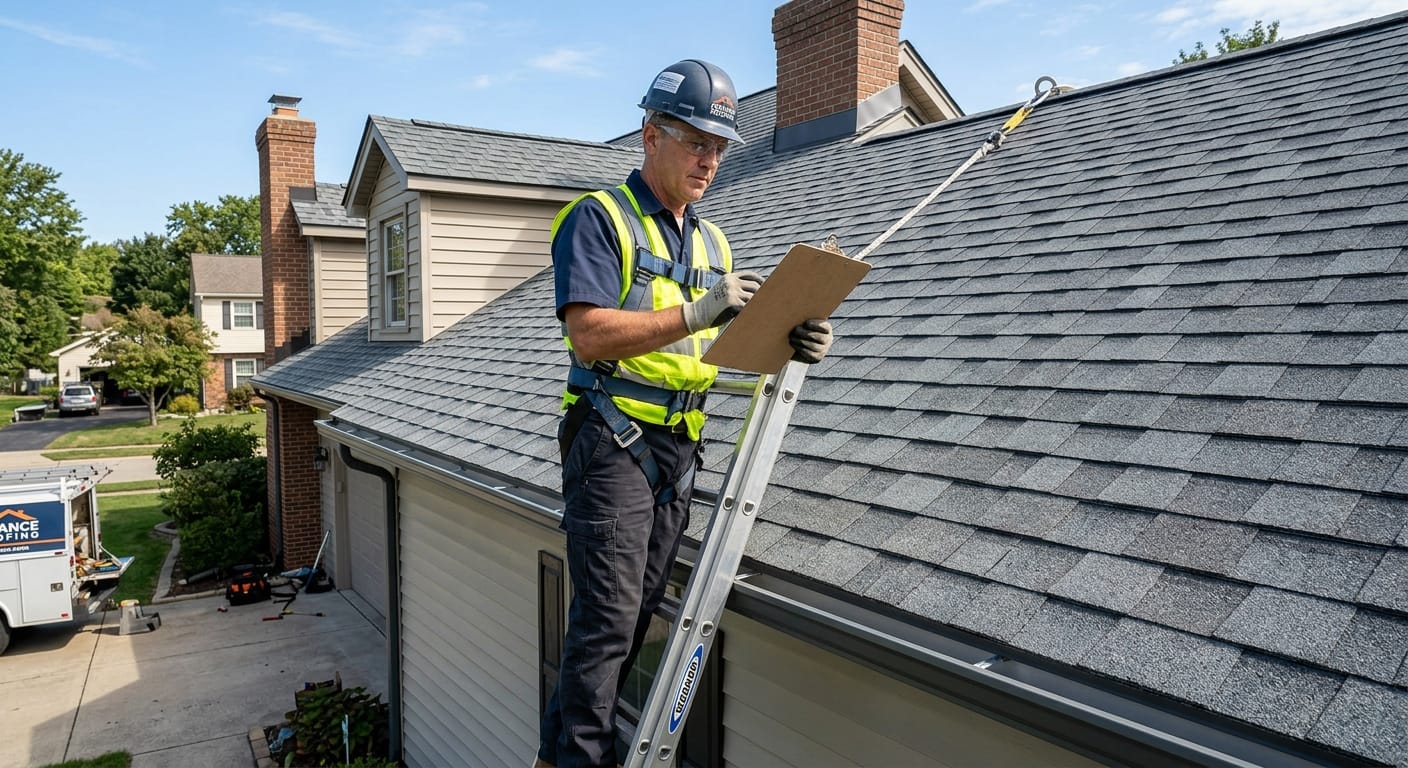
Roofing Systems: Replacing a standard asphalt shingle roof on a 2,500-square-foot home averages $9,000 to $16,000. If your historic property has an original slate, clay tile, or standing-seam copper roof, local guidelines require repairing the original roof or replacing it with matching authentic materials. Complete slate roof restoration and copper flashing replacement typically cost between $35,000 and $70,000 due to material sourcing and specialized roofing labor.
Finding and Hiring Skilled Craftspeople
In addition to material costs, historic homes require specialized trade labor. Standard general contractors are experienced with modern materials, but historic homes need tradespeople trained in traditional construction methods. Finding experienced historic masons, master carpenters with custom millwork experience, and lead-safe restoration painters can take extra time.
Because these specialists carry specialized tooling, preservation training, and specific liability insurance, their hourly labor rates are typically 40% to 75% higher than general residential remodeling rates. Furthermore, homes built before 1978 frequently contain lead paint, which requires certified containment practices under federal regulations during exterior prep work, adding baseline setup costs to even routine painting jobs.
Creating Your Long-Term Maintenance Plan
For a standard single-family home, basic financial advice suggests budgeting 1% of the property value each year for ongoing repairs. For a home in a historic district, that 1% rule leaves homeowners underfunded for necessary exterior upkeep.
To protect your home equity and keep maintenance manageable, passive homeowners can use a straightforward three-step planning approach:
The 2.5% to 3.5% Annual Reserve Target: Because authentic materials and skilled craft labor cost more, setting aside 2.5% to 3.5% of your home structural replacement value each year provides a reliable financial cushion for scheduled upkeep.
A 10-Year Exterior Maintenance Schedule: Instead of waiting for materials to fail, check the age and condition of key exterior systems each year. Creating a 10-year timeline for painting, window glazing, roof maintenance, and mortar repointing prevents small issues from turning into emergency repairs.
Explore Local Tax Credits and Relief Programs: Many cities, counties, and states offer property tax freezes or historic preservation tax credits to support homeowners who maintain historic properties. For qualifying substantial rehabilitation work, state tax credit programs can offset 10% to 20% of approved exterior restoration expenses.
Living in a historic district offers distinct benefits, including protected neighborhood character, mature architecture, and stable long-term property values. By planning for authentic material requirements and setting a realistic maintenance reserve, homeowners can enjoy their historic home while protecting their financial investment for years to come.
FAQs
Estimated Property Valuations are Automated Valuation Models (AVMs) built from comparable sales, market trends, and property characteristics. Like any AVM, they carry a margin of variance and should be used as a directional data point alongside professional guidance.
Historic district rules strictly prohibit off-the-shelf modern building materials for exterior repairs. Property owners must source custom-fabricated components, such as true-divided-light wood windows and lime-based mortars. Additionally, hiring certified tradespeople with specialized tooling commands a significant premium, multiplying standard replacement costs by up to four times.
Yes, securing administrative approval for a Certificate of Appropriateness introduces substantial timeline delays. While minor aesthetic changes might clear staff review in a few weeks, major structural repairs often mandate public commission hearings. These mandatory hearings can stall standard project start dates by two to four months while accumulating professional architectural soft costs.
A Seller’s Guide to Managing Electrical Upgrades and Keeping Your Equity
Selling your home is a numbers game, and most of those numbers usually go toward making the place look its best. You might think about fresh paint or a kitchen refresh, but there's a hidden part
In the real estate market of 2026, the traditional checklist for home value is shifting. While granite countertops and open floor plans still catch the eye, a more critical factor is now determining whether a deal closes or collapses: the insurance profile of the property. As premiums surge across the
For millions of U.S. homeowners locked into a 3 percent mortgage, staying put provides a mathematical shield against current interest rates hovering in the low-to-mid 6 percent range. This "lock-in effect" preserves an artificially low monthly housing payment. However, it also obscures a delayed