In the real estate market of 2026, the traditional checklist for home value is shifting. While granite countertops and open floor plans still catch the eye, a more critical factor is now determining whether a deal closes or collapses: the insurance profile of the property. As premiums surge across the country, a new metric has emerged for homeowners and sellers alike, the Resiliency Premium.
This isn't about "going green" or following a trend. It's about hard financial math. A home that is difficult or impossible to insure at a standard rate is a home with a compromised valuation To protect your equity, you must understand how infrastructure upgrades act as a financial shield against the current "Insurance Contagion," a phenomenon where surging premiums and "uninsurable" designations significantly compromise property valuations.
The 4.6% Correction: How Premiums Impact Price
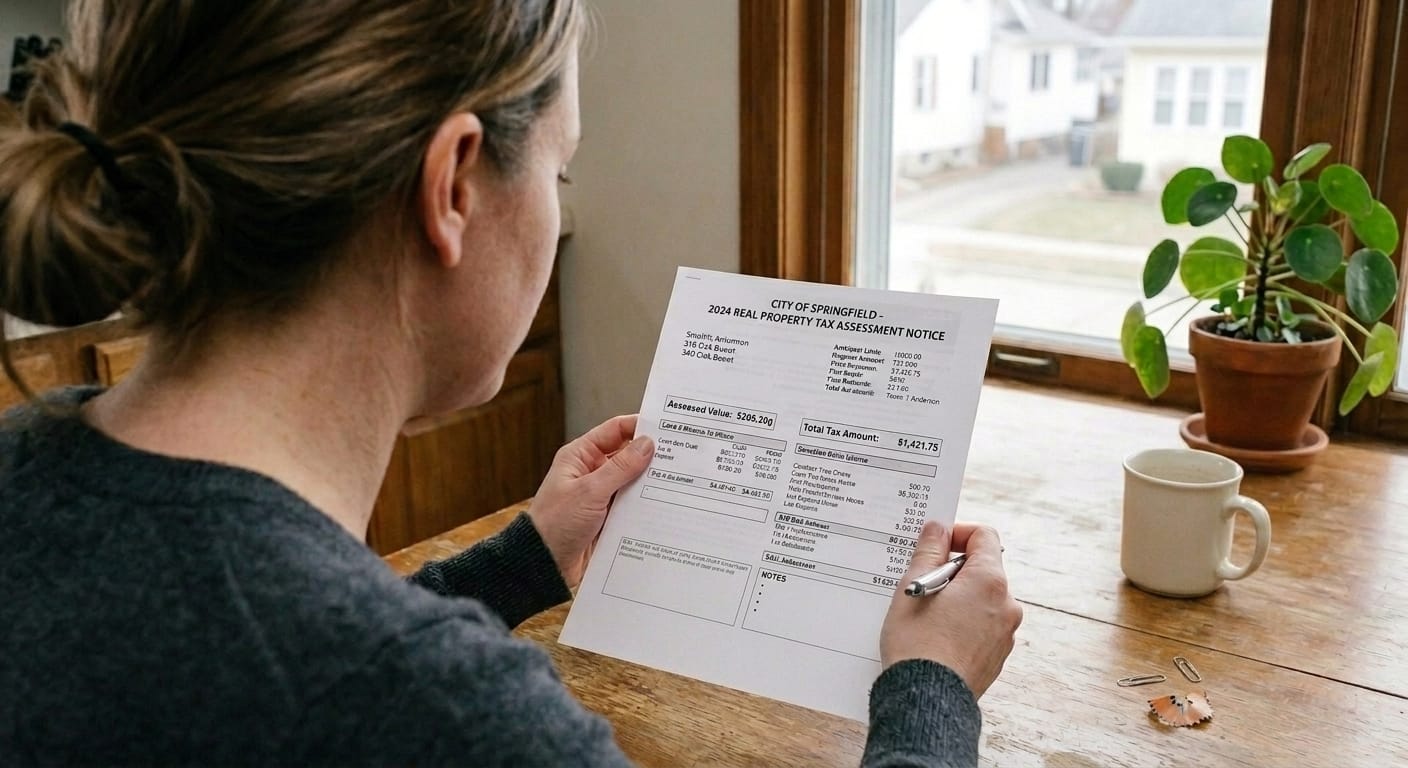
The relationship between insurance costs and home value is direct and measurable. Recent market data shows that for every 10% jump in annual insurance premiums, property prices experience a corresponding downward pressure of roughly 4.6%.
This happens because insurance is a non-negotiable part of the monthly carrying cost. When a carrier raises a premium by $1,500 a year, that is $1,500 of purchasing power stripped away from a potential buyer. In a market sensitive to interest rates and affordability, that extra $125 a month in insurance can be the difference between a buyer qualifying for a loan or being forced to walk away.
For sellers, this means that ignoring the insurance impact on property value is no longer an option. If your home falls into the category of the "hardest homes to insure in 2026" due to aging systems or high-risk materials, your Estimated Property Valuation may be mathematically sound on paper but practically unachievable in a real-world transaction.
Case Study: The Hidden Cost of the $2,000 Premium Hike
Consider a median-priced home in a market currently experiencing a 20% annual insurance increase, a common occurrence in the "Sunbelt Glut" or coastal regions. If the premium jumps from $2,500 to $4,500, that $2,000 increase is roughly equivalent to a $25,000 increase in mortgage principal at 2026 interest rates. A buyer looking at that property will either need to find an extra $166 a month in their budget or, more likely, lower their offer by $25,000 to keep their DTI (Debt-to-Income) ratio in line. This is why "insurability" has moved from a back-office administrative task to a front-line negotiation lever.
The IBHS-FORTIFIED Standard: A New Level of Curb Appeal
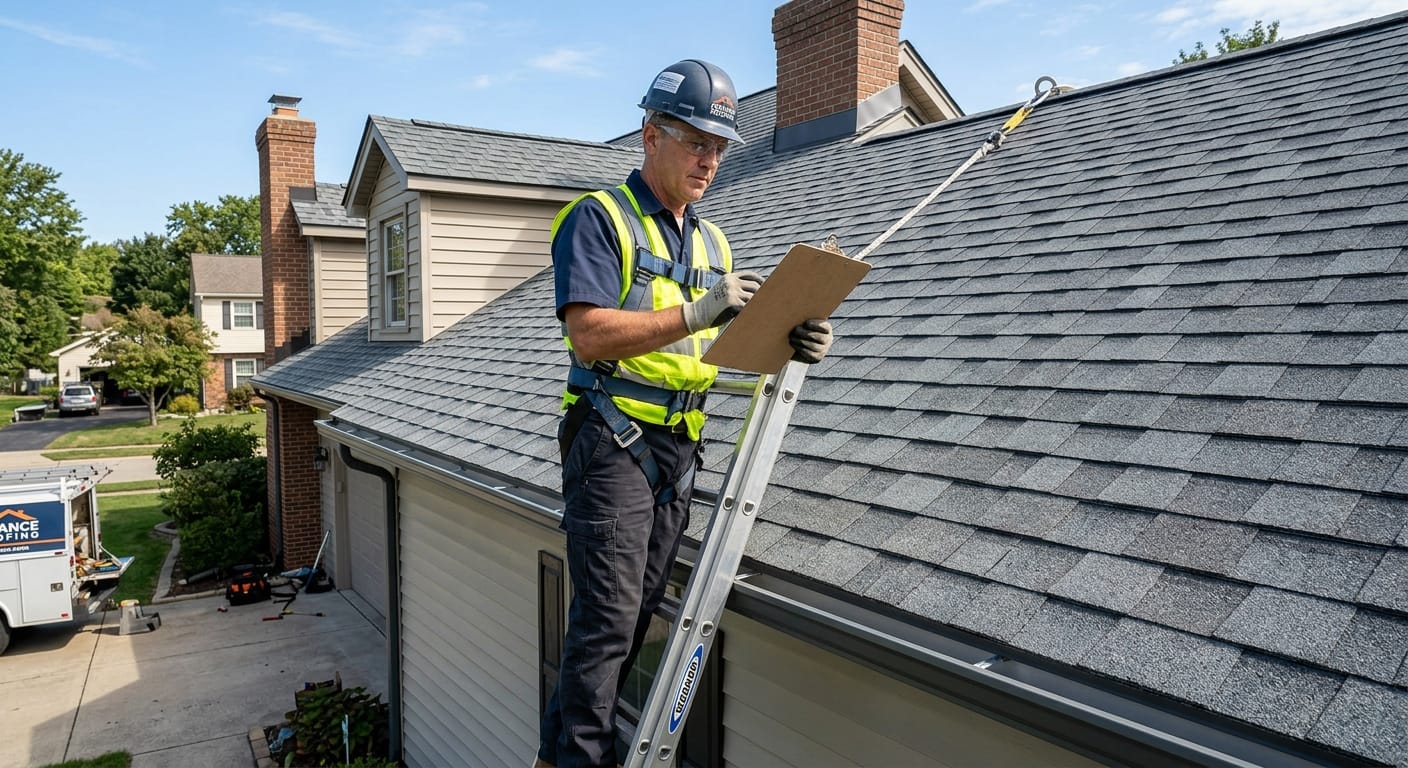
One of the most effective ways to capture the Resiliency Premium is through the roof. The Insurance Institute for Business & Home Safety (IBHS) has established the FORTIFIED standard, a set of construction and retrofitting requirements designed to strengthen a home against severe weather.
Investing in a roof that meets these standards is one of the most reliable ROI upgrades in 2026. The financial breakdown is compelling:
-
Premium Reductions: Homeowners with certified resilient roofing often see insurance premium decreases of 10% to 24%, depending on the region.
-
Resale ROI: Data suggests these upgrades deliver a 50% to 70% return on investment at the time of sale.
-
Market Velocity: Homes with documented resiliency certifications spend less time on the market because they remove the "insurance hurdle" for buyers during the contingency period.
When you install a roof that meets these standards, you aren't just preventing leaks; you're creating a documented financial asset that insurance carriers recognize. In 2026, a "FORTIFIED" certificate is becoming as valuable as a recent appraisal, providing objective proof of the home’s ability to withstand localized climate risks.
Infrastructure as a Financial Shield
Beyond the roof, carriers are looking closely at the internal "organs" of the home. In 2026, two areas stand out as critical equity-protectors: the electrical system and water management.
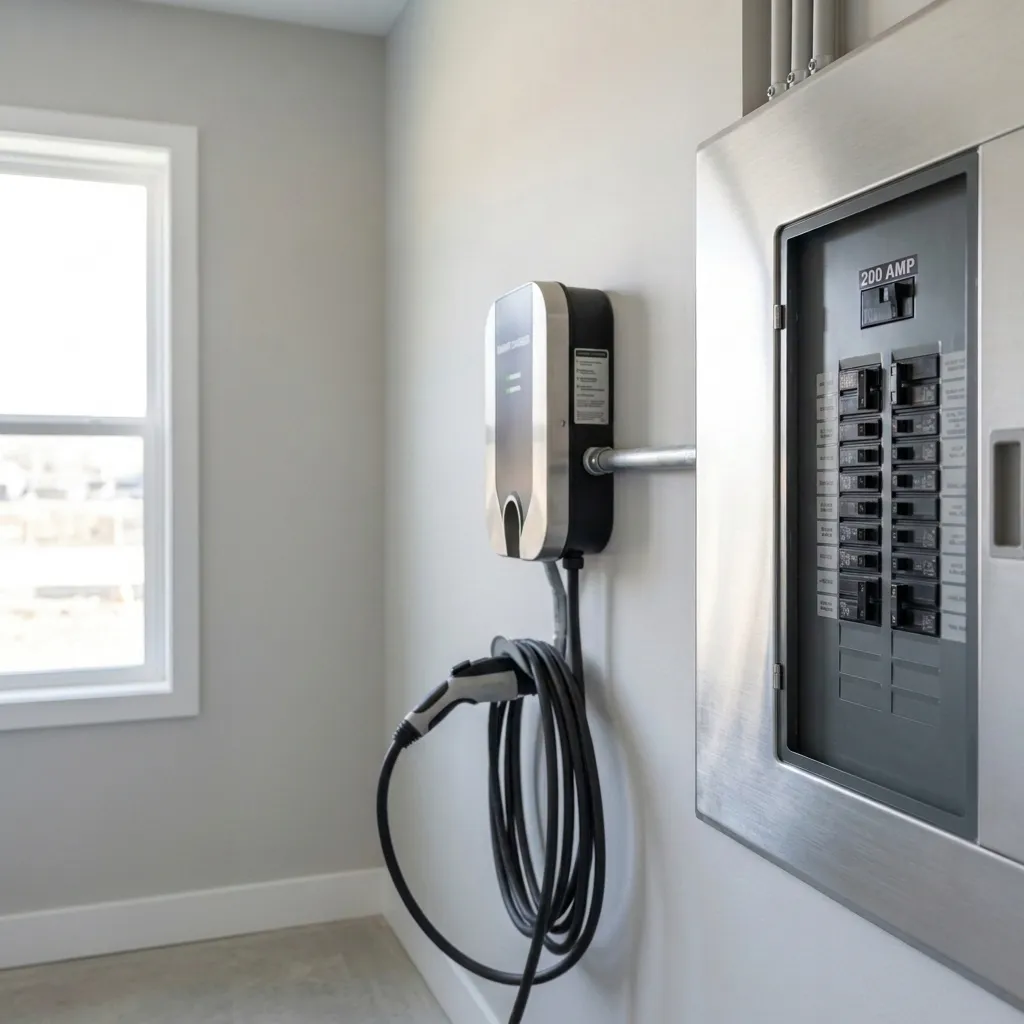
The 200-Amp Standard
Modern homes demand more power than ever, from EV chargers to heat pumps, but insurance companies view older electrical panels and low-amperage service as significant fire risks. Upgrading to a 200-amp service with modern circuit breakers is no longer just a convenience; it is a requirement for lowering property insurance premiums.
Homes with outdated "Stab-Lok" or glass-fuse panels are increasingly being flagged as uninsurable by major carriers. This triggers a "forced renovation" scenario during escrow where the seller is hit with a $4,000 to $6,000 electrical upgrade bill just to keep the buyer’s loan from being denied. Proactively making this upgrade allows you to control the cost and marketing narrative.
Smart Leak Detection: The 24/7 Sentry
Water damage remains the leading cause of non-weather-related insurance claims. Installing smart leak detection systems, which can automatically shut off the main water valve when a burst pipe or slow leak is detected, is a high-utility upgrade.
Many carriers now offer immediate premium credits for these systems because they drastically reduce the "catastrophic loss" potential of a property. A $500 investment in a Wi-Fi-enabled shut-off valve can yield a $150 annual premium reduction, paying for itself in under four years while significantly de-risking the property for the next owner.
Calculating Your ROI: The Resiliency CapEx Audit
To determine if a resiliency upgrade is worth the capital expenditure (CapEx), you have to look beyond the immediate cost. Consider a $15,000 upgrade to a resilient roof that saves you $1,200 annually on insurance.
Over a 10-year holding period, that is $12,000 in direct cash-flow savings. When you combine that with the 60% average resale recovery ($9,000), the total financial benefit is $21,000, a $6,000 profit over the cost of the upgrade. This math transforms a "maintenance expense" into a strategic investment.
This objective approach moves away from vague concepts of "home improvement" and focuses on the hard ROI of home resiliency upgrades.
Navigating the Insurance Contagion
The "Insurance Contagion" refers to the trend where carriers pull out of entire zip codes or significantly tighten underwriting standards for specific property types (e.g., homes with wood siding in wildfire zones or older roofs in hurricane-prone states).
If your home falls into one of these categories, you are at risk of "valuation suppression." This occurs when the pool of potential buyers shrinks because only cash buyers or those with specialized, high-cost insurance can purchase the home.
By proactively auditing your home's infrastructure against current insurance standards, you can identify these gaps. While a standard valuation might suggest your home is worth $500,000, if an insurance carrier refuses to write a policy for a buyer, that valuation is functionally irrelevant.
Identifying the Gaps: Beyond the Surface
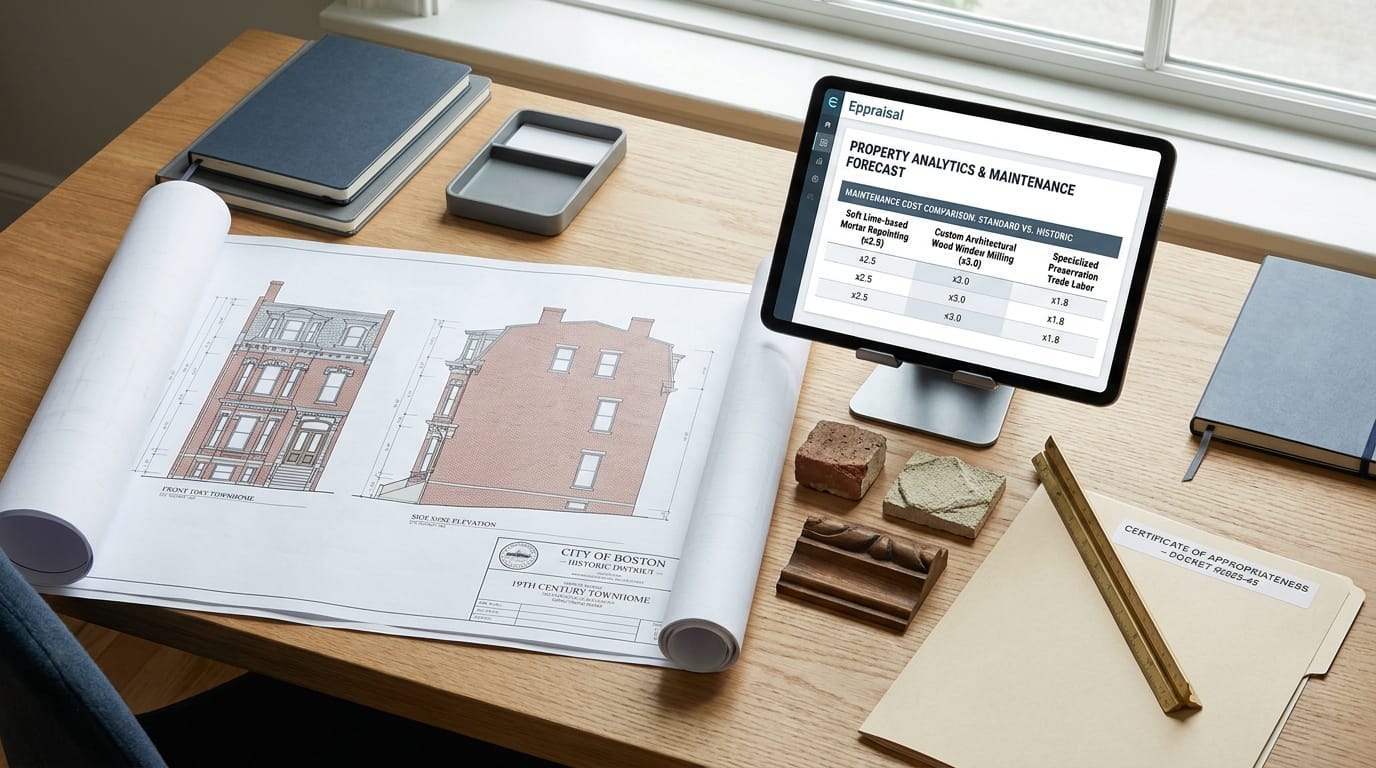
The biggest risk to your equity is the "unseen" gap. A standard automated valuation might provide a number based on square footage and neighborhood trends, but it often misses the infrastructure details that an insurance underwriter will catch.
By using data-driven tools to audit your property's specific infrastructure, such as the age of the electrical service, the roofing material, and local municipal planning records, you can identify these "resiliency gaps" before they become deal-breakers.
Understanding these factors allows you to proactively address issues that might suppress your property's value. If the data shows that your zip code is entering a "high-risk" tier for insurance, knowing the specific upgrades that mitigate that risk ensures you stay ahead of the "Insurance Squeeze."
Resiliency is the New Standard
The real estate market is no longer just about price and location; it is about risk and resiliency. As we move through 2026, the homes that maintain their value will be those that have been hardened against the rising costs of insurance.
By focusing on the hard math of ROI and prioritizing infrastructure upgrades that carriers reward, you protect your cash flow today and your equity tomorrow. Don't wait for an inspection report or an insurance renewal to discover your property's vulnerabilities. Start viewing your home's resiliency as its most important financial feature.
To see how these infrastructure factors might be impacting your property’s trajectory, you can use our advanced valuation tools to identify specific resiliency gaps in your infrastructure. Knowing these details today ensures your home remains a liquid and valuable asset in the 2026 market.