The traditional American dream of a single-family home is evolving. As we move through the second quarter of 2026, a new architectural and economic standard has emerged: "Flex Living." This is not merely a trend in interior design; it is a fundamental shift in how residential real estate is valued. Recent market data reveals that homes specifically configured for multigenerational living are no longer just a niche preference—they have become one of the highest-performing asset classes in the suburban landscape.
In May 2026, multigenerational households represented 4.5% of all homeowner households in the United States. While that percentage may seem modest, its impact on property valuation is outsized. Homes featuring dedicated multigenerational layouts or Accessory Dwelling Units (ADUs) are currently attracting 13.5% more page views than standard listings. More importantly, these properties are commanding a 22% premium per square foot compared to standard single-family layouts.
For homeowners, this represents a significant equity strategy. For homebuyers, it identifies a high-demand feature set that preserves value even when the broader market fluctuates. Understanding the "why" behind this 22% delta requires looking past the square footage and into the specific infrastructure that creates true "Flex Living."
The Economic Drivers of Co-Living
The surge in multigenerational living is driven by a combination of affordability pressures, rising childcare costs, and a growing desire for aging-in-place solutions. In 2025, approximately 14% of all homebuyers purchased a multigenerational property, with Gen X leading the charge at 19%.
These buyers are often pooling incomes to increase their purchasing power. The median annual household income for multigenerational owners reached $131,000 in early 2026, significantly higher than the national average for single-income households. By combining resources, families can afford higher-quality neighborhoods and larger lots, but they require a specific type of floor plan to make cohabitation sustainable. This demand-supply imbalance is exactly what fuels the multigenerational home value 2026 premium.
Defining the "Flex Living" Standard
"Flex Living" refers to a property’s ability to provide autonomous living zones within a single residential structure. It is the evolution of the "mother-in-law suite," moving away from a simple extra bedroom and toward a fully independent living environment.
The 22% square-foot premium is not applied to every house with an extra room. It is reserved for properties that feature "High-Autonomy Infrastructure." To capture this value, a home must solve the primary friction point of shared living: the loss of privacy.
1. The Privacy Pivot: Separate Entrances
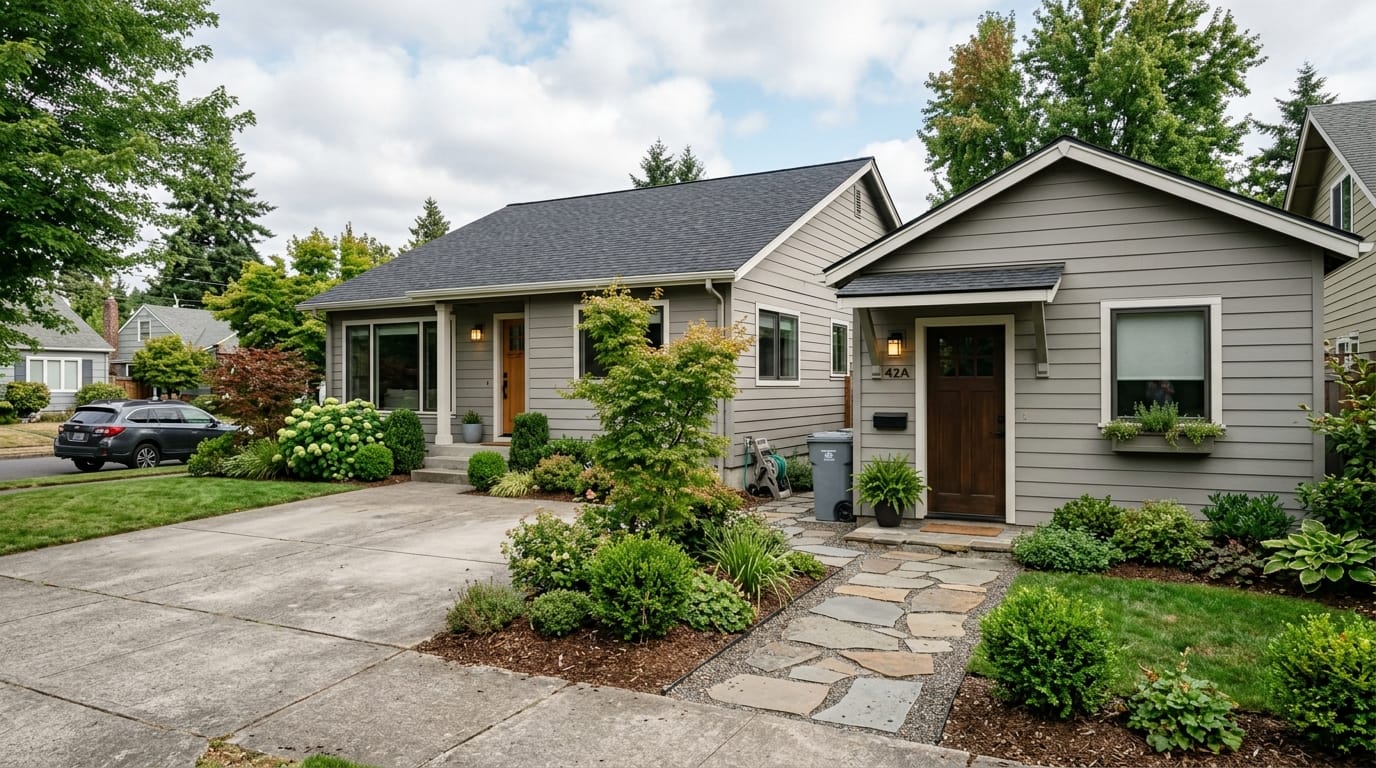
The most critical feature driving property estimates is the existence of a separate, private entrance. In the 2026 market, a "walk-out" basement or a side-entry casita allows for a psychological boundary between residents. When a property allows an adult child or an aging parent to enter and exit without passing through the main kitchen or living area, the "Estimated Property Valuation" often sees an immediate lift. This feature alone transforms a guest room into a "unit," significantly increasing its utility and marketability.
2. Kitchenette Plumbing and Self-Sufficiency
True flex living requires self-sufficiency. The inclusion of kitchenette plumbing—even if it is just a "wet bar" configuration with space for a microwave, small fridge, and sink—is a primary driver of the ROI of mother in law suite additions.
Data from 2025 indicated that properties with legal kitchenettes in secondary suites sold 10% faster than those without. This is because a kitchenette enables a different lifestyle; it allows for breakfast, coffee, and light meals to happen independently of the main household’s schedule. For investors, this infrastructure also makes the space viable as a long-term or short-term rental, adding a "cash flow" layer to the property’s valuation.
3. Soundproofing and Structural Separation
In a multigenerational home, acoustic privacy is as important as visual privacy. High-premium homes in 2026 are increasingly marketed with "enhanced acoustic barriers" between living zones. This involves double-layered drywall, specialized insulation, or staggered stud construction in shared walls. When multiple generations live under one roof, the ability to watch television or host a meeting in one zone without disturbing someone in another is a qualitative feature that translates directly into quantitative value.
The ROI of ADUs: Impact on Property Estimates
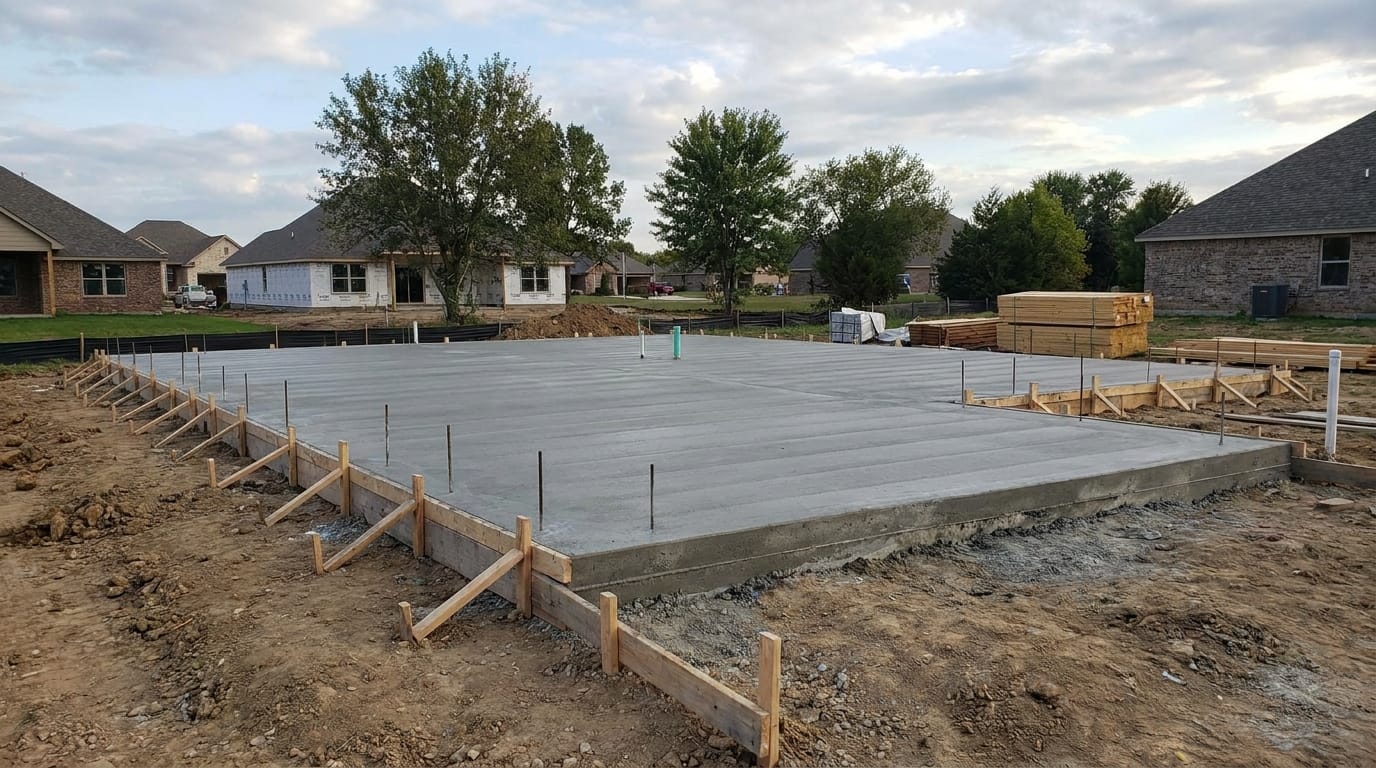
Accessory Dwelling Units (ADUs) have become the gold standard for "Flex Living." Whether it is a detached backyard cottage or a converted garage, the ADU impact on property estimate metrics is profound.
In high-demand markets, the addition of a legal ADU can return 70% to 80% of its construction cost in immediate equity. In supply-constrained suburban areas, this return can reach 100% or more. Buyers are increasingly willing to pay a premium for a "turnkey" ADU because they avoid the 12 to 18 month permitting and construction lag currently plaguing the 2026 renovation market.
Beyond the immediate equity, an ADU serves as a hedge against market volatility. If interest rates rise or economic conditions tighten, the ability to generate rental income from an ADU provides a safety net that a standard single-family home cannot offer. This "utility value" is a core component of the 22% premium.
A Renovation Guide for Homeowners
For homeowners looking to capture this premium, the strategy should focus on "The Three S’s": Separation, Services, and Systems.
-
Separation: Create a distinct zone. If you are renovating a basement or an attic, ensure there is a clear path to the exit that does not interfere with the primary living spaces.
-
Services: Prioritize universal design. Include wider doorways, walk-in showers, and lever-style handles. These features make the suite accessible for aging parents today and more valuable for a broader range of buyers tomorrow.
-
Systems: Zoned HVAC is a high-ROI upgrade. Being able to control the temperature in the "flex" zone independently of the main house is a major selling point in 2026, as it reduces utility conflicts and improves comfort.
Homeowners should also be diligent regarding local zoning laws. In 2025 and 2026, many municipalities loosened restrictions on ADUs and "junior" ADUs to combat housing shortages. Ensuring that a conversion is fully permitted and legally classified as a living unit is essential to realizing the 22% square-foot premium at the time of sale.
The Buyer’s Perspective: Identifying High-Demand Assets
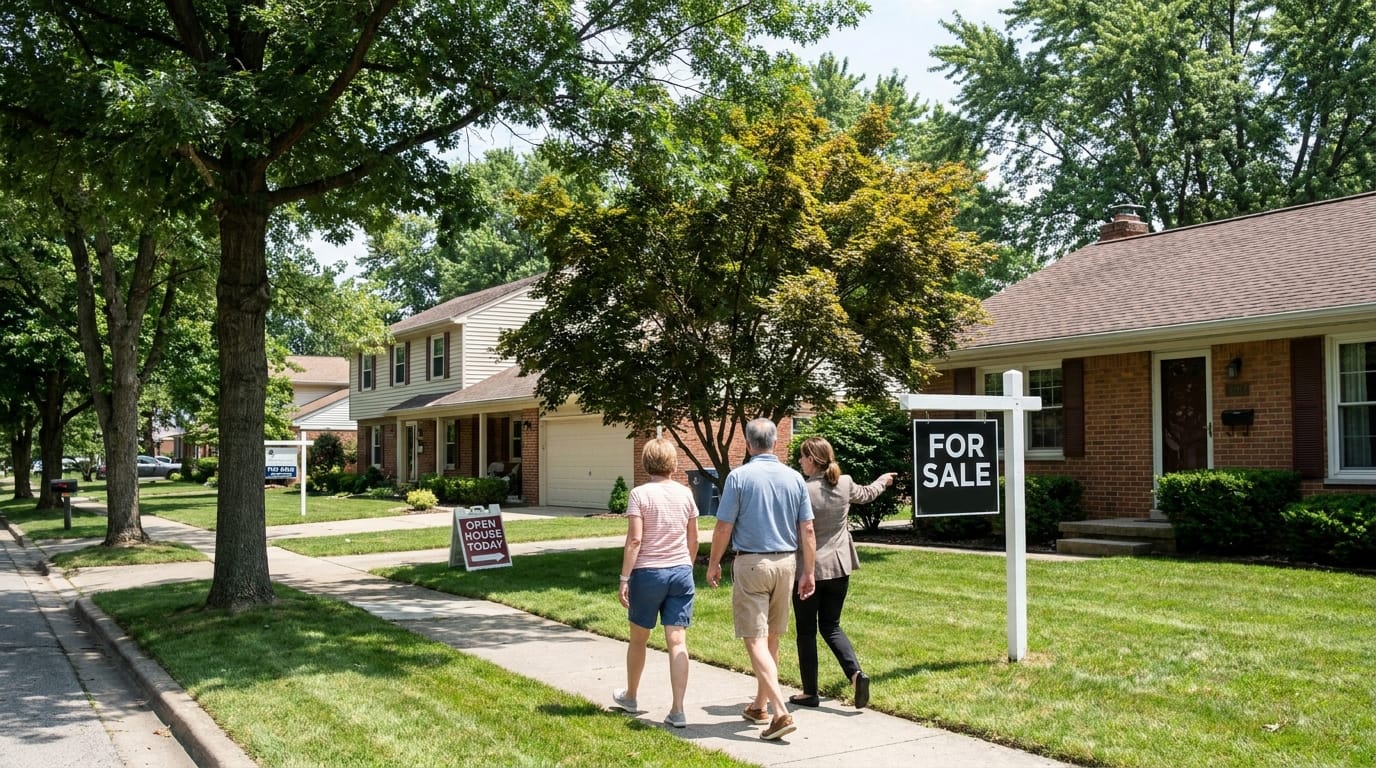
For buyers, the "Multigenerational Premium" represents a safe place to park capital. In a real estate cycle where standard homes might see flat growth, flexible living real estate trends suggest that properties with built-in versatility hold their value more effectively.
When evaluating a property, buyers should look for "hidden flex" potential. A house might not be marketed as multigenerational, but if it has a plumbing rough-in in the basement or a secondary staircase, the cost to "unlock" that 22% premium may be lower than buying a finished product.
Auditing the Value with eppraisal
Because the 22% premium is based on qualitative features—like the feel of a separate entrance or the quality of soundproofing—standard automated valuation models often miss the mark. They may compare your "Flex Living" home to a standard 4-bedroom house down the street that lacks these specialized upgrades.
This is where the eppraisal Agent provides a critical advantage. By using the platform to audit local neighborhood comparable sales specifically for multigenerational features, you can determine if your "Estimated Property Valuation" accurately reflects the "Flex Living" premium. The platform's data analysis allows you to see the price-per-square-foot delta in your specific zip code, ensuring that when it comes time to sell or refinance, you are not leaving equity on the table.
Future-Proofing Your Equity
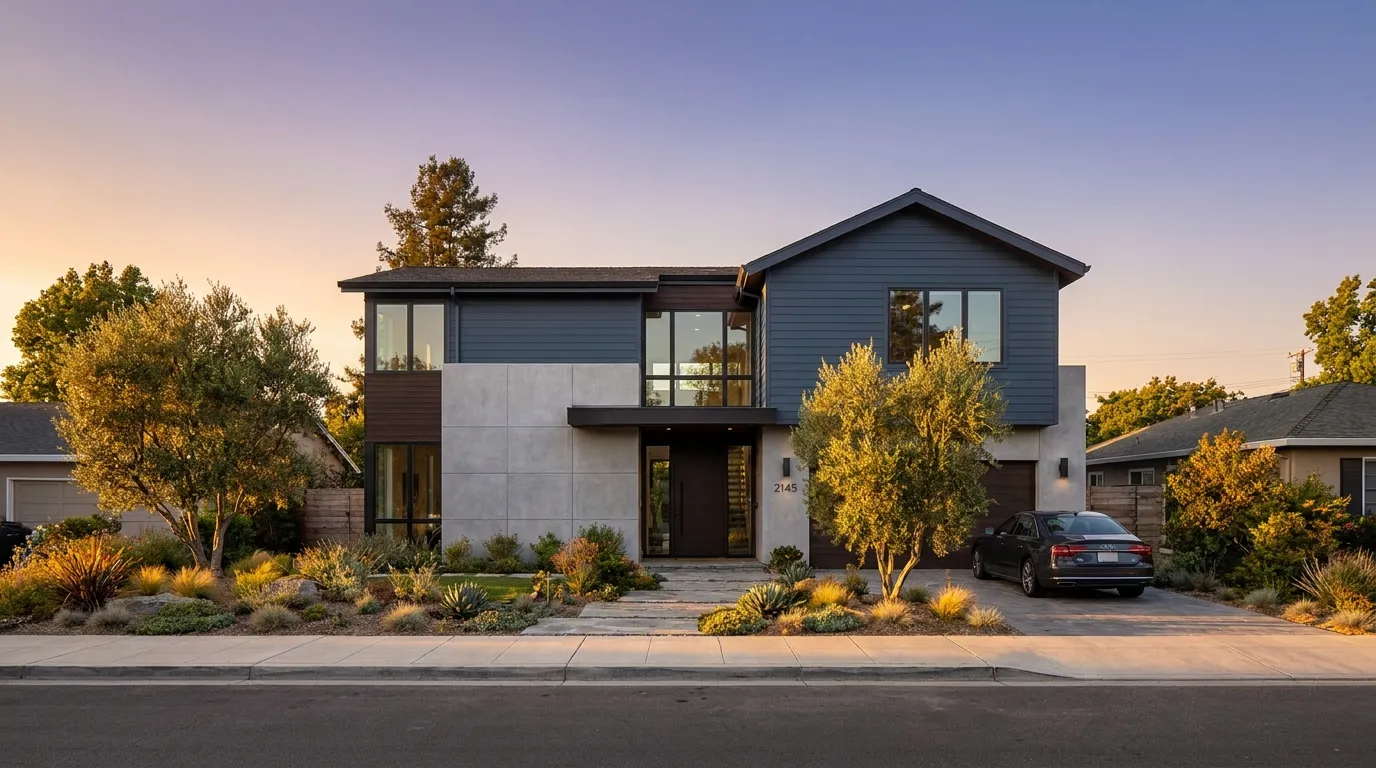
The move toward multigenerational living is not a temporary reaction to high prices; it is a permanent shift in how families choose to live and build wealth. By 2026, the data is clear: houses that can adapt to changing family needs command the highest prices.
Whether you are adding a casita, converting a garage, or searching for a home that can house three generations, focusing on "Flex Living" is a proven strategy for maximizing ROI. In a world where space is at a premium, the most valuable square footage is the kind that offers both connection and independence.