Local Inventory Mechanics: How Administrative Process Timelines Support Suburban Home Equity
The Core Takeaway
While interest rate fluctuations often dominate national news cycles, the stability of the suburban housing market is largely dictated by local administrative timelines. The multi-step process required for zoning, environmental reviews, and infrastructure permits creates a structural lag in new home construction. This steady, regulated pace of growth prevents the sudden oversupply of housing, supporting a balanced market environment for existing property owners. By understanding these mechanical factors, homeowners can better interpret the fundamental drivers of their property’s equity.
The Reality of the Suburban Supply Deficit
Property owners often evaluate their home’s value through the lens of recent sales or neighborhood aesthetics. However, the most reliable anchor for home equity in the modern era is the long-term physical supply deficit. Across the United States, the residential market is navigating a structural gap of roughly 1.9 million units. This is not a temporary imbalance caused by a single season of activity; it's a permanent infrastructure deficit that supports price baselines even during broader economic shifts.
In a balanced real estate market, where neither buyers nor sellers have extreme leverage, there's typically a five to six-month supply of active listings. This means that if no new homes were added to the market, it would take six months to sell every house currently available. In many established suburban districts, inventory levels have hovered between 1.5 and 2.5 months for several years. This scarcity acts as a foundational support for existing property values, ensuring that buyer demand continues to compete for a limited pool of available homes.
This supply pressure is not the result of builders intentionally slowing down production. Rather, it represents the upper limit of how quickly physical land can be transformed into move-in-ready housing. For a homeowner in an established community, this physical constraint means your equity is backed by a tangible scarcity of competing inventory on your specific street or in your zip code.
The Administrative Timeline: Why Suburban Growth is Deliberate
The process of adding a new home to a suburban community is intentionally complex. Local planning departments use these timelines to ensure that new residents have the infrastructure they need, from safe road access and reliable stormwater drainage to a robust electrical grid. While these reviews are necessary for the long-term health of the community, they take significant time to clear, keeping the supply of new homes predictably low.
Before a builder can break ground, a project must navigate several layers of municipal and civil review, each with its own set of potential delays:
1. Zoning and Land-Use Approval
Even when local governments pass updates to allow for more flexible housing options, such as accessory dwelling units or small-scale townhomes, the projects are not immediate. Proposals must still undergo public hearings and administrative reviews that can take 12 to 18 months. If a builder needs a minor exception to a local rule, the timeline often expands as the department prioritizes public safety and community Master Plans.
2. Engineering and Environmental Verification
Modern suburban development requires rigorous engineering to manage factors like soil stability and drainage. Builders must prove that their new project will not create water runoff issues for surrounding established properties. These technical reviews involve back-and-forth plan revisions between civil engineers and city planners, frequently stalling progress for three to six months while environmental impacts are mitigated and verified.
3. Utility and Grid Integration
Hooking up to a local power grid and water supply is a multi-agency negotiation. Modern homes require more from the electrical grid than ever before. To support features like Level 2 EV charging or whole-home heat pumps, utility companies must often upgrade neighborhood transformers or substations before new construction can be finalized. These utility hookup delays have become one of the most prominent bottlenecks in the final phase of home building, often holding up finished projects for weeks while crews wait for local power company clearance.
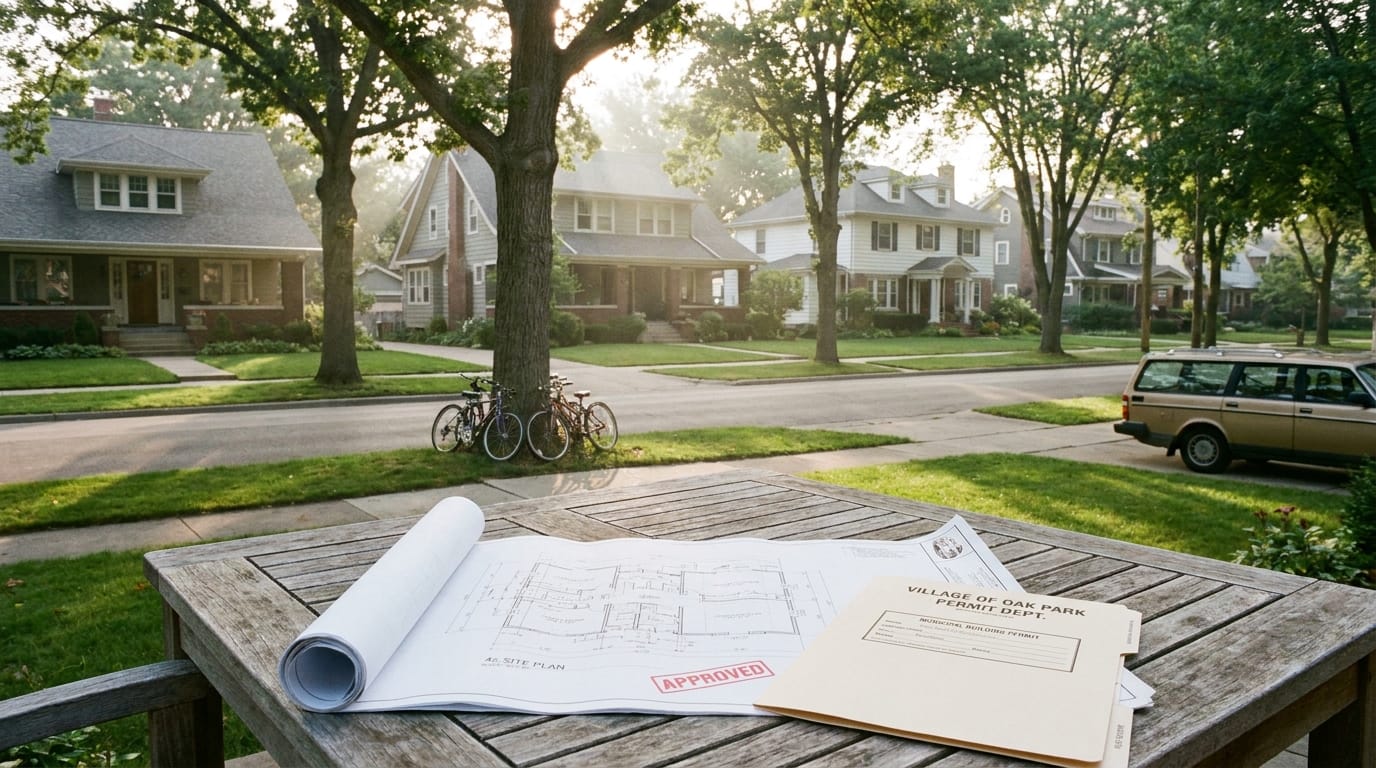
In high-demand suburban counties, the average wait time for a single residential building permit is nine to twelve months. For larger projects that require subdivision planning, the review process frequently extends past the three-year mark. This timing gap is a permanent friction point that prevents new homes from flooding the market, providing the market with a steady, regulated pace of growth.
The Financial Floor: How Carrying Costs Influence Prices
Municipal and administrative delays do more than just limit the number of homes available. They also set a minimum price for any new construction that eventually reaches the market. When a builder waits eight months or a year for an approval, they are paying carrying costs every day the project is on hold. These overhead expenses include land loan interest, property taxes on undeveloped lots, insurance premiums, and professional fees for architects and surveyors.
Over the course of a standard permitting cycle, these holding costs can add between $30,000 and $85,000 to the cost of a single lot. Builders do not absorb these expenses. They are factored into the final retail listing price. This dynamic creates a "price floor" in the neighborhood. It becomes mathematically impossible for new homes to be sold below these accumulated costs.
When new homes on your street are priced high to cover these mandatory overhead costs, it raises the value ceiling for every established home in the community. If the new homes in a zip code cost significantly more than existing ones due to development delays, demand naturally shifts back to well-maintained established properties. This dynamic ensures that your property’s value remains connected to the rising cost of local progress.
Financial Predictability for the Long-Term Homeowner
For those focused on preserving long-term net worth, these mechanics provide a high degree of predictability. Your property is a physical asset sitting in a market where construction cannot move faster than the speed of local government. This local scarcity is a primary reason why suburban values have remained resilient even when broader market indicators show volatility.
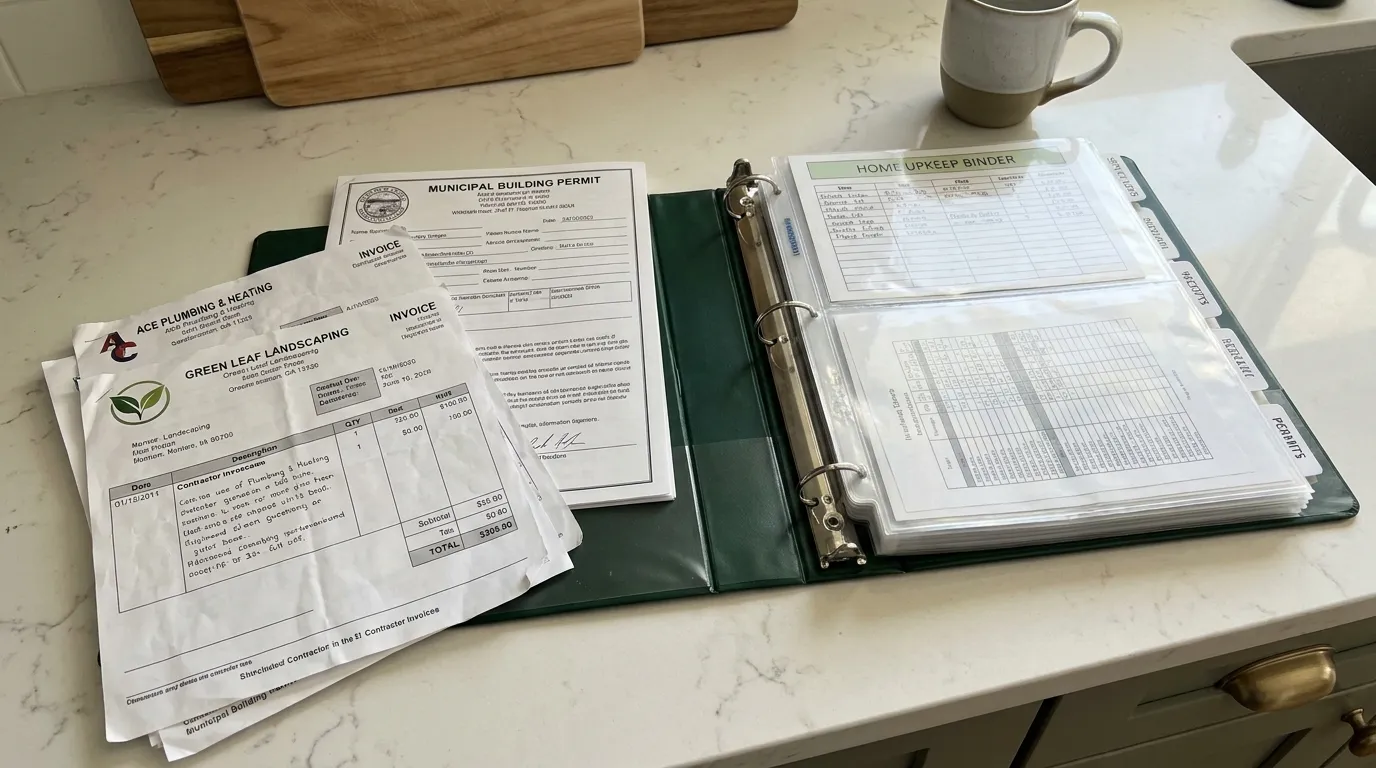
This stability allows you to confidently invest in your home's infrastructure. Whether you are updating mechanical systems, upgrading an electrical panel to meet modern standards, or performing routine exterior maintenance, you're adding quality to a property that exists in a supply-constrained environment. These proactive improvements ensure that your home retains its utility and appeal, protecting your equity for whenever you eventually choose to move.
Market Trajectory and Value Preservation
By focusing on the physical and administrative factors that drive supply, you can gain a clearer understanding of your real estate wealth. The deliberative speed of suburban growth is not a flaw in the system; it's a byproduct of the infrastructure standards that create high-demand, safe communities. As a result, homeowners can look past short-term economic news and trust in the local mechanics that sustain their equity.
Monitoring localized supply trends and tracking your estimated property valuations allows you to see these administrative bottlenecks in action. In a market where physical supply is limited by the very process of governing a town, your home remains a resilient and stable pillar of your financial future.
FAQs
No. An eppraisal is an AI-powered property analysis tool, not a licensed financial appraisal. It provides Estimated Property Valuations and qualitative market context to inform your decision-making, but it is not a substitute for a certified appraisal required by lenders.
Home values hold steady because severe municipal planning construction lags actively cultivate localized housing supply shortages. When new construction halts in regulated districts, existing homes face drastically reduced competition. This bottleneck systemically preserves baseline equity.
Building permit delays severely restrict how quickly new infrastructural supply enters an established suburban housing market. As developers endure extended approval processes, rising carrying costs elevate the price floor for new builds, funneling demand back to established homes.
The Summary
Selling a home in a designated wildfire zone means you must pass a defensible space inspection and disclose property hardening updates before closing. Waiting until a buyer requests these mandatory point of sale certifications often leads to expensive rush fees, closing delays, or strict buyer concession demands. By
The Bottom Line
In today's real estate market, elevated buyer caution and rising contract cancellation rates have turned home inspections into secondary price negotiations. Recent transaction data shows that nearly half of all home sales now include some form of seller concession, with buyers of properties fifteen years