If you've been waiting for mortgage rates to fall before buying a home, here's a hard truth worth sitting with: the discount you've been hoping for may have already arrived, it just showed up in a different place than you expected. Rates are holding steady in the mid-6% range, and the relief is now coming from the price tag instead of the interest rate. For buyers and homeowners trying to make a smart move, understanding this shift is the difference between waiting on the sidelines and acting on real savings.
The Rate You're Waiting For Isn't Coming (And That's Okay)
For the last two years, a lot of buyers have run the same playbook: wait for rates to drop back toward 5%, then jump in. It's an understandable instinct. But the math of the current market tells a different story. Mortgage rates have settled into the 6.4%–6.5% range, and that level has become the baseline, not a temporary spike on its way back down.
When you stop treating today's rate as a problem to wait out and start treating it as the cost of doing business, your attention naturally moves to the one number that is moving in your favor: the price.
Where the Real Discount Is Hiding: The Price Drop
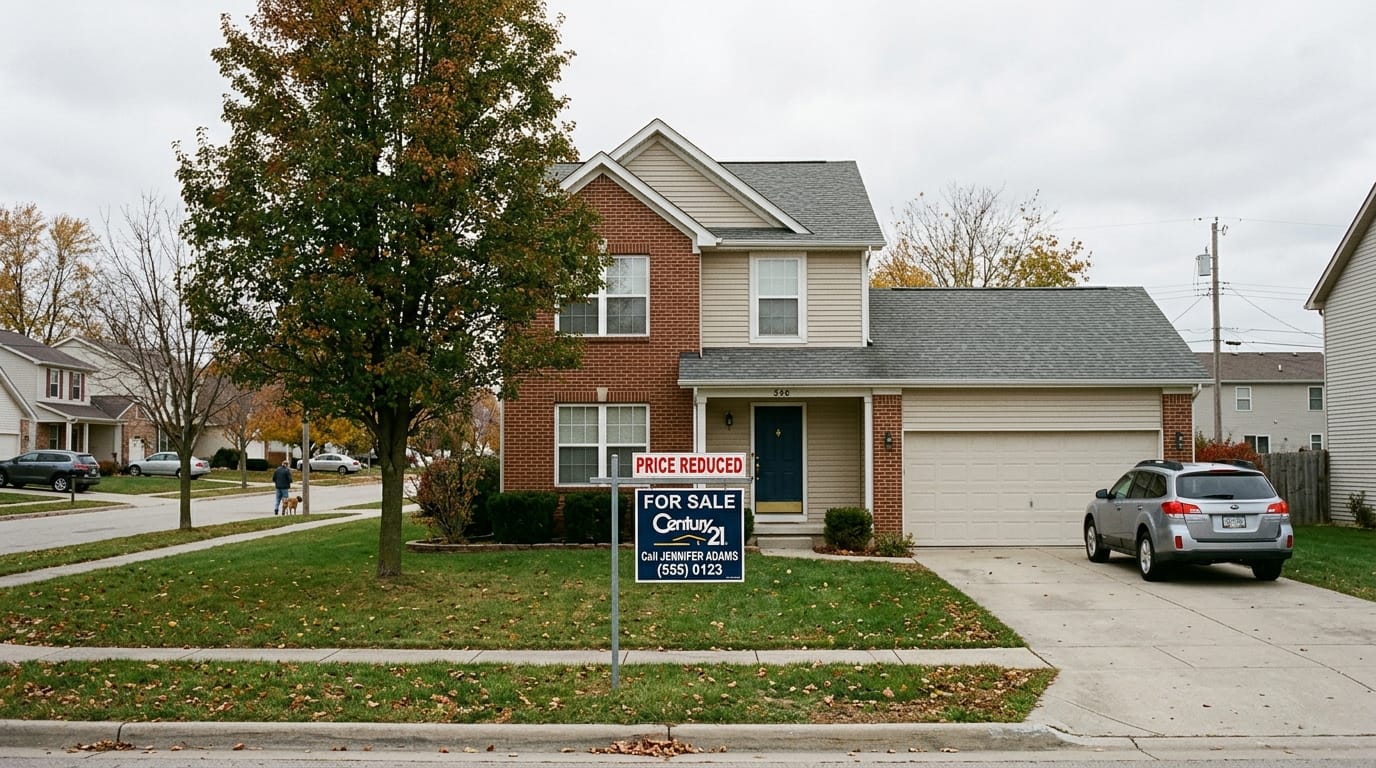
The national median listing price has fallen 2.4% to $429,500. On its own, that might not sound dramatic. But a price reduction does something a rate cut can't: it permanently lowers the amount you borrow. A lower rate trims your monthly payment, but it leaves your principal untouched. A lower price shrinks the actual size of your loan from day one, and that follows you for the life of the mortgage.
This is why a price correction can function like a rate cut in disguise. You're paying interest on a smaller balance, building equity from a lower starting line, and putting down a smaller down payment for the same home. The savings aren't speculative or dependent on a future refinance that may never happen, they're locked in the moment you sign.
The Concession Layer Most Buyers Miss
The list-price drop is only half the story. As the market has rebalanced, more sellers are offering concessions to keep deals moving, credits toward closing costs, funds for a rate buydown, or contributions that ease your upfront cash burden. These concessions stack on top of the price correction.
For a buyer, that combination matters. A modest list-price reduction paired with a few thousand dollars in seller credits can meaningfully offset the higher carrying cost of a 6.5% loan. The buyer who is busy waiting for the "perfect rate" often walks right past these very real, available savings, savings that exist because rates are high and sellers have to compete harder for committed buyers.
Why "Waiting It Out" Quietly Costs You
There's a hidden expense in standing still. While you wait for a rate that forecasters have largely ruled out for the rest of the year, three things keep happening: you continue paying rent without building equity, the specific homes hitting their lowest prices today get bought by someone else, and the seller concessions available right now may tighten if the market firms up.
None of this is a reason to rush. It's a reason to evaluate the decision on today's actual numbers rather than a hoped-for scenario. The buyer who acts on a real 2.4% price drop and a real seller credit is making a grounded financial decision. The buyer holding out for a sub-6% rate is betting on a future that the current data doesn't support.
Not All Discounts Are Created Equal
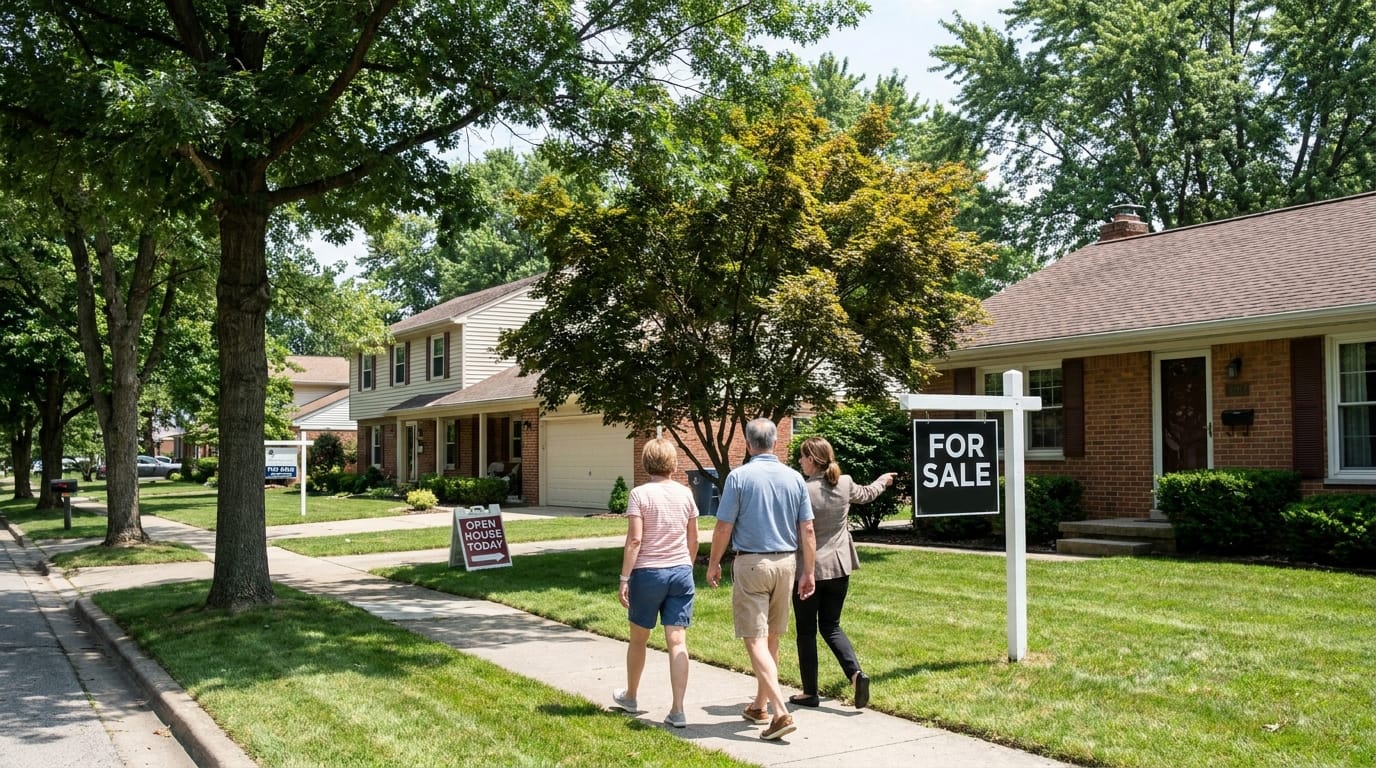
Here's the catch: that 2.4% national figure is an average, and averages hide enormous local variation. In some neighborhoods, prices have barely moved. In others, the correction runs far deeper than 2.4%, and sellers are far more motivated. The national number tells you the trend exists; it doesn't tell you where to find it.
This is where most buyers get stuck. They read the headline, assume the discount applies everywhere equally, and either overpay in a stubborn neighborhood or miss a genuine opportunity a few zip codes over. The real advantage goes to the buyer who can see exactly where the price correction is concentrated.
Finding the Real Discount with Objective Data
To pinpoint where the price drop is actually working in your favor, you need hyper-local data, not a national average. This is where the eppraisal Agent earns its place. Rather than guessing, you can pull objective Estimated Property Valuations for the specific neighborhoods you're considering and compare them against current list prices to see where the gap is widest.
Used this way, the eppraisal Agent isn't a sales pitch, it's a direct read on local market variance. You can run a straightforward net-equity check, see how a specific price reduction and any seller concessions affect your real bottom line at a 6.5% rate, and identify the zip codes where the correction has created genuine value. It turns a vague national trend into a concrete, street-level number you can act on.
The Bottom Line
The relief buyers have been waiting for is already here, it just arrived as a price correction instead of a rate cut. With mortgage rates holding at their current baseline, the smart move isn't to wait for borrowing costs to fall. It's to recognize that a lower price permanently shrinks your loan, that seller concessions are stacking real savings on top, and that the deepest discounts are hiding in specific neighborhoods, not the national headline. Anchor your decision to today's objective numbers, and you'll see the opportunity that the "wait for lower rates" crowd is walking past.