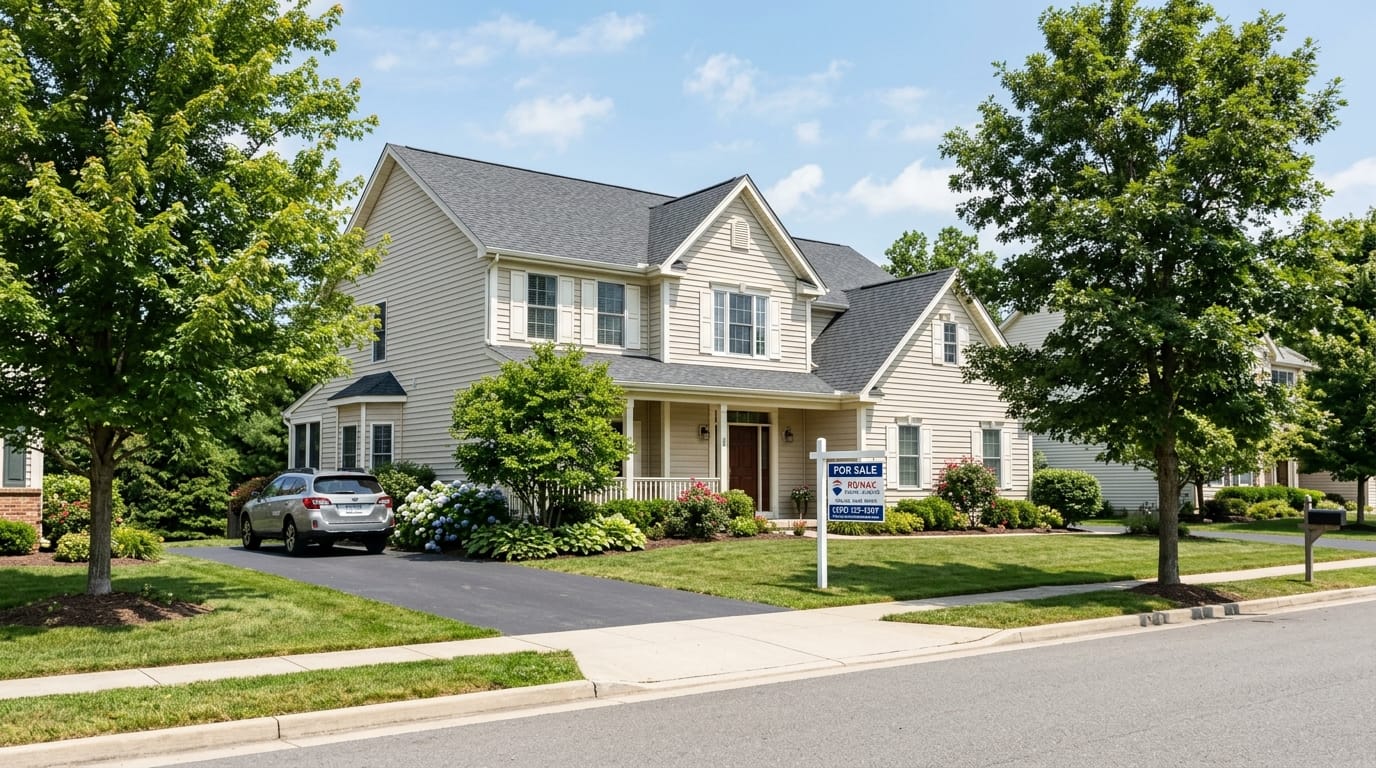
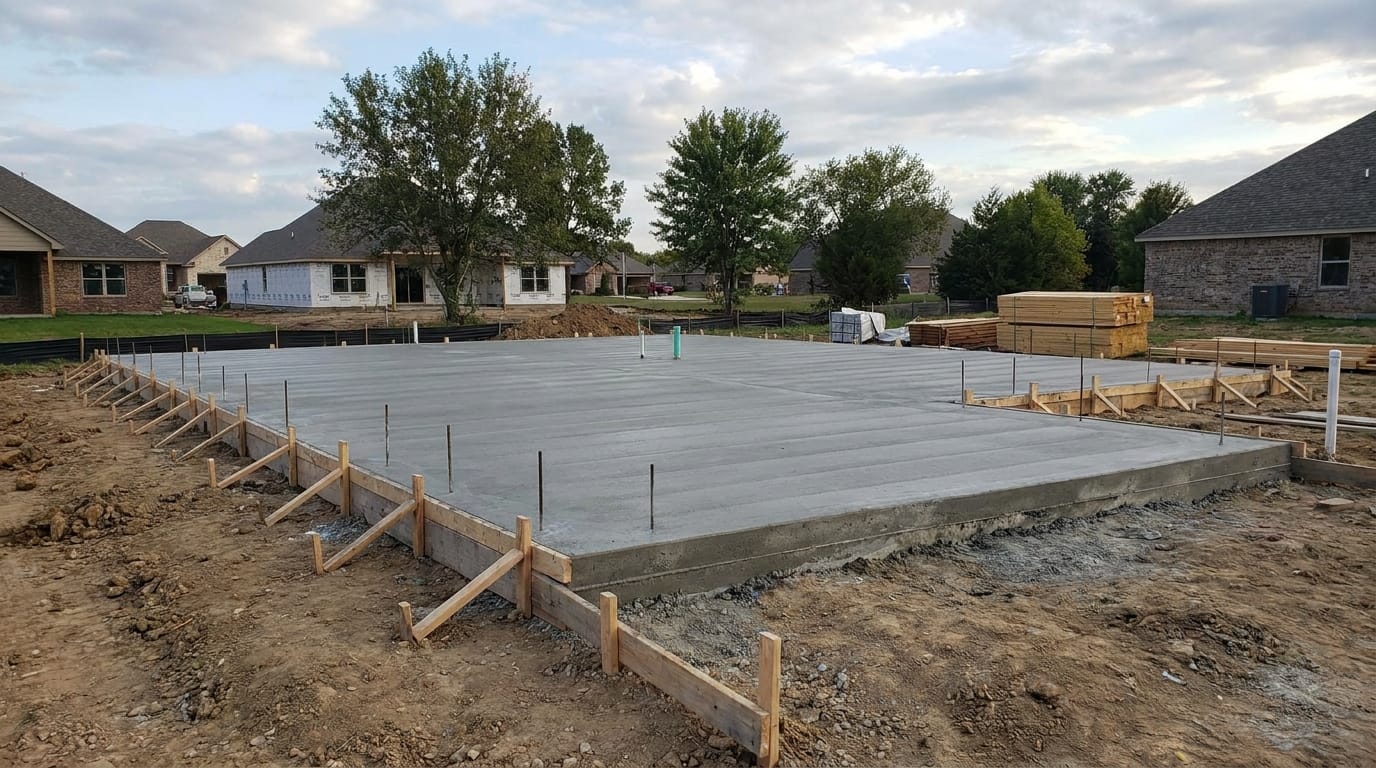
The start of June 2026 has brought a visible shift to the real estate market. Traditionally, the weeks following Memorial Day mark the beginning of the busy summer season. This year, the data shows a strong rebound in activity, but the "feel" of the market is different than it has been in years.
For much of the last few years, buying a home felt like a frantic race against low inventory and unpredictable price spikes. In June 2026, we are entering a period where the market is finally finding its balance. This doesn’t mean activity is stopping; it means the lopsided power dynamic between buyers and sellers is leveling out. To find real value in this environment, you have to look past the emotional headlines and focus on the objective facts of housing supply, interest rate stability, and how prices are actually behaving on a neighborhood level.
Is Inventory Increasing in 2026?
One of the most frequent questions from both buyers and homeowners is: Is inventory increasing in 2026? The data says yes. Since the beginning of the year, we have seen a steady climb in the number of homes listed for sale. In fact, active listings have grown by approximately 9% compared to this time last year. While we haven't yet reached the high supply levels seen before 2020, the recovery is consistent and measurable.
This increase is driven by two main factors. First, there is the seasonal surge of sellers who wait for the school year to end before listing. Second, we are seeing a gradual reduction in the "lock-in effect." For a long time, homeowners with very low mortgage rates were reluctant to sell. However, life transitions, such as job changes, family growth, or the need to downsize, eventually outweigh the desire to keep a specific interest rate.
This influx of supply is a major win for anyone buying a house in June 2026. More homes on the market means more choices and less pressure to engage in bidding wars. However, this extra choice requires more due diligence. Because the market is shifting, some sellers are still pricing their homes based on the "peak" trends of the past, while others are pricing for today’s reality. This creates a "pricing mismatch" that requires a careful, data-driven approach to navigate.
When is the Best Time to Buy a House?
The question of "when is the best time to buy a house" is often asked as if there is a magic date on the calendar. In 2026, the best time is less about finding a "rock bottom" price and more about finding "rate predictability."
As of June 2026, the 30-year fixed-rate mortgage has settled into a more predictable range, averaging around 6.48%. While this is higher than the historic lows of the pandemic era, it is a significant improvement over the volatility we saw in 2025. This stabilization is a primary advantage for buyers. When rates stay steady, you can plan your monthly budget and calculate your long-term carrying costs without the fear that a sudden spike will change what you can afford mid-transaction.
When you combine these steady rates with the fact that wage growth has started to catch up with home prices in many regions, the "purchasing power" of the average household has actually improved over the last twelve months. This allows buyers to move forward based on clear financial math rather than speculation.
Navigating a Balanced Real Estate Market
We are currently seeing the market move toward a "neutral" state. This is reflected in the time homes spend on the market. Right now, the average home is sitting for about 55 days before it sells, roughly five days longer than this time last year.
This extra time is a buyer’s most valuable asset. It provides the "breathing room" needed for thorough due diligence. You no longer have to feel forced to skip a home inspection or overlook obvious property defects just to get an offer accepted. In a balanced market, you have the time to investigate the physical health of the home and ensure the investment makes sense for your long-term goals.
The June 2026 Price Pullback
There has been significant discussion regarding home prices, and it is important to understand what the data actually shows. We are not seeing a market crash; we are seeing a "price pullback" or a normalization.
While home values are expected to remain relatively flat or grow by a modest 1% to 2% for the full year, June 2026 has seen the sharpest drop in listing prices in nearly a decade. This happens when sellers realize their initial asking price was too high for current demand and they must adjust to attract cautious buyers.
For a buyer, this means value is found in "correctively priced" homes. These are properties where the seller has already acknowledged the market shift and adjusted the price to reflect current reality. Identifying these opportunities requires a clinical approach, comparing the list price against objective data rather than a seller’s aspirations.
A Data-Driven Strategy for Buyers
If you are active in the market this summer, your strategy should focus on two core pillars: the physical infrastructure of the property and the financial math of the deal.
-
Prioritize Infrastructure: We are seeing a trend where nearly 22% of deals are hitting hurdles during the inspection phase. In a market with more inventory, you don't have to settle for a home with aging "invisible" infrastructure, such as outdated electrical systems or a roof nearing the end of its life. A lower price tag today can quickly become a net loss once major repairs are factored in.
-
Utilize Concessions: As inventory increases, sellers are becoming more flexible. Approximately 39% of sellers are now offering some form of concession, such as covering closing costs or providing credits to help you buy down your interest rate. This is a powerful negotiation tool that can lower your monthly debt service without requiring the home price to drop significantly.
Verifying Value with the eppraisal Agent
In a market that is still finding its balance, the biggest risk is overpaying for a home based on outdated sentiment. The list price of a home is merely a starting point, it is not a definitive statement of what the property is worth.
This is where the eppraisal Agent becomes an essential tool. When you identify a new listing during this summer surge, you can use the eppraisal Agent to get an objective Estimated Property Valuation. Rather than just looking at what a neighbor's house sold for months ago, the agent uses a sophisticated logic to audit the "why" behind the value.
The eppraisal Agent doesn't operate in a "black box." It follows a deterministic audit trail, looking at hyper-local data points such as inventory velocity, municipal zoning changes, and infrastructure shifts. This tells you if a new June listing represents fair value or if the seller is still anchored to the pricing trends of 2024. Having this data allows you to enter negotiations with facts, ensuring your purchasing power is used as efficiently as possible.
The Opportunity of Normalization
The housing market of June 2026 represents a return to a more logical, data-driven environment. The post-holiday surge has provided the inventory that was missing for years, and rate stabilization has provided the predictability needed for sound financial planning.
Finding value today is not about trying to time a "bottom" in the market. It is about using the current window of increased supply to find a home that makes mathematical sense. By focusing on objective data, conducting thorough inspections, and using tools like the eppraisal Agent to verify Estimated Property Valuations, you can move past the noise and secure real, sustainable value this summer.