The Private Road Trap: How Unrecorded Maintenance Agreements Stall Mortgage Underwriting
The Factual Summary
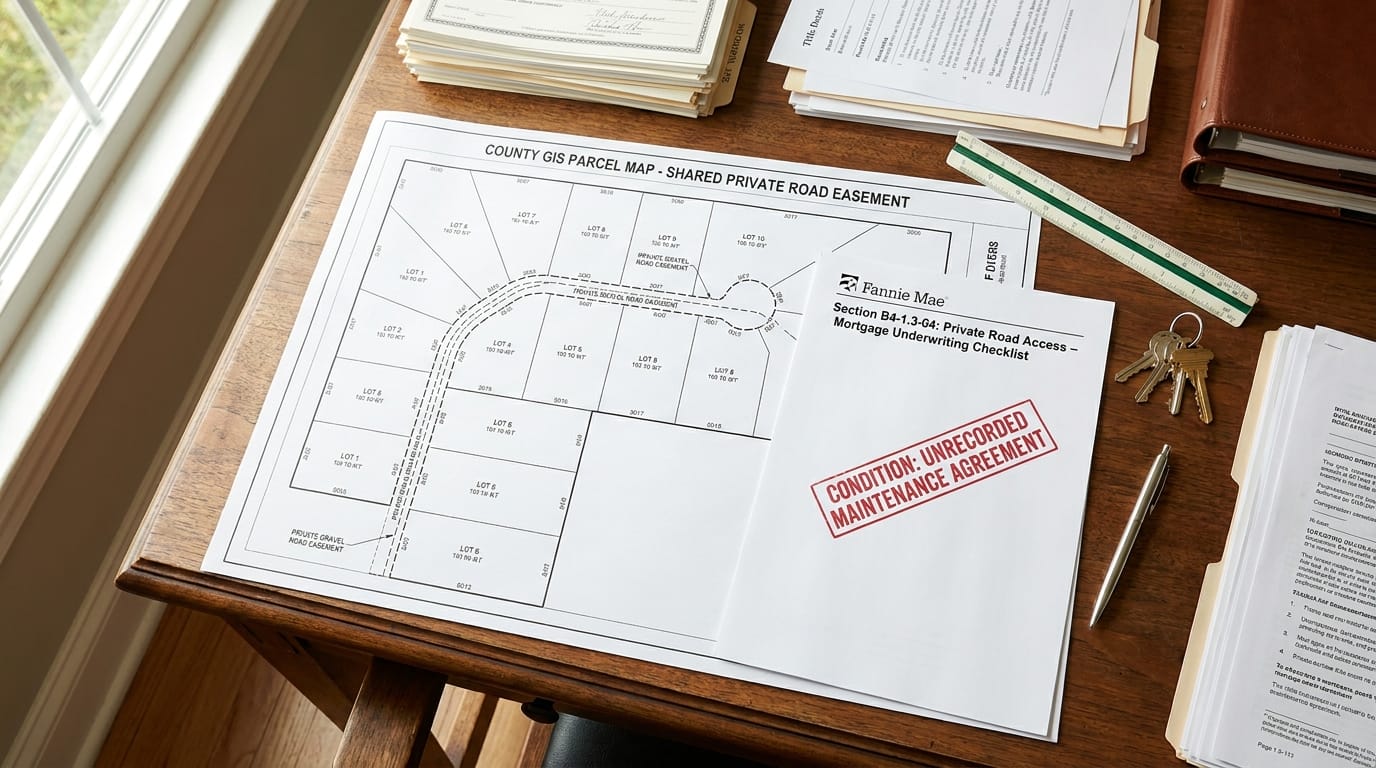
Buying a home on a private road or shared driveway comes with unique legal and financial rules. An informal handshake among neighbors to split snowplowing or gravel costs is not enough to get a conventional mortgage approved. Under Fannie Mae Selling Guide Section B4-1.3-04, mortgage lenders require a legally binding, publicly recorded Private Road Maintenance Agreement (PRMA). If this document is missing from county land records, underwriters will halt escrow right before closing because unprotected road access puts the loan collateral at risk. Active buyers should verify shared road easements and recorded agreements during early property visits to avoid closing delays, costly legal disputes, or canceled loan approvals.
The Hidden Hurdle Behind Private Road Living
Finding a home tucked away on a private lane or shared driveway feels like a major win. You get less drive by traffic, extra privacy, and a quiet setting away from busy municipal streets. When walking the property, most buyers look at the physical surface of the driveway. They check whether the gravel has potholes, if the asphalt is smooth, or whether water drains properly into the ditch.
However, the real risk with a private road is rarely the condition of the gravel. The real danger is legal and structural. For decades, thousands of rural and semi-rural neighborhoods have operated on informal, unwritten agreements. Two or three neighbors might text each other after a heavy snowstorm to hire a plow, or take turns buying a truckload of crushed limestone every two years. While that casual system may work well for existing residents, conventional mortgage lenders treat unwritten pacts as serious financial liabilities.
When you apply for a home loan, the mortgage company looks at the property as collateral. If you ever run into financial trouble and stop paying the mortgage, the bank needs to know they can take back and sell the home on the open market. If the private road leading to the front door falls into complete disrepair, or if an angry neighbor blocks access with a gate during a boundary feud, the home loses its market value and becomes impossible to sell. To protect their investment, mortgage underwriters require ironclad legal proof that the road will stay open, accessible, and maintained forever.
Fannie Mae Rule B4-1.3-04: Why Underwriters Halt Escrow
The primary driver behind this roadblock is Fannie Mae. As the government sponsored enterprise that purchases and packages a massive share of American residential mortgages, Fannie Mae sets strict rules for lenders across the country. In the Fannie Mae Selling Guide under Section B4-1.3-04, the agency outlines exactly how underwriters and field professionals must evaluate physical site access.
Under these guidelines, if a property sits on a community owned street or privately maintained driveway, the lender must verify an adequate, legally enforceable agreement or covenant governing road maintenance. Even more importantly, this agreement cannot just sit in a drawer. It must be formally recorded in the public land records at the county recorder's office. In real estate transactions, this document is known as a Private Road Maintenance Agreement, or PRMA.
The trouble starts because underwriters usually review title paperwork late in the escrow process. During initial property visits, nobody thinks to ask about road covenants. Weeks later, when the title company searches the public record and finds individual parcel deeds with no recorded road covenants, the underwriter flags the file. The loan cannot fund, and the entire transaction freezes just days before the scheduled move-in date.
The Essential Elements of a Valid Road Agreement
A valid Private Road Maintenance Agreement is much more than a signed letter or a casual neighborhood memo. To pass underwriting review and protect every homeowner on the street, the document must contain specific structural and financial protections.
First, it must clearly define who pays for ongoing maintenance and emergency repairs. The agreement cannot use vague phrases like "neighbors will share costs fairly." Instead, it must outline exact mathematical shares. That might mean an equal split among five parcels (20 percent each) or a prorated formula based on road frontage and driveway length. When the math is exact, there is no room for debate when maintenance bills arrive.
Second, the agreement must outline legal remedies for non-payment. If a heavy storm washes out a culvert and one homeowner refuses to pay their $1,500 share, the other residents cannot be left stranded. A compliant PRMA gives the participating neighbors the legal right to pay the contractor, file a lien against the non-paying owner's property, and recover the funds through legal channels. Lenders look for these default remedies because they ensure the road gets repaired even if neighbors disagree.
Third, the agreement must be recorded so that it runs with the land. When a covenant runs with the land, it binds every future owner who buys a parcel on that road. If your neighbor sells their home five years from now, the new buyer automatically inherits the exact same maintenance duties and payment obligations without anyone needing to draft a new contract.
The Handshake Trap: Why Gathering Signatures Stalls Closing
When buyers and sellers discover a missing PRMA late in escrow, their first reaction is often, "We can just write one up and sign it this weekend." In practice, converting an unwritten pact into a recorded legal document under a tight closing deadline is extremely stressful and often fails.
To record a valid PRMA that satisfies an underwriter, every single property owner whose land touches the private road must agree to the exact terms, sign the document, and have their signature notarized. If a private drive only serves two homes, getting two signatures is relatively straightforward. But if the road serves eight, ten, or twelve different parcels, the logistics become messy fast.
One neighbor might live out of state and take weeks to answer mail. Another home might be an inherited estate tied up in probate court with no clear executor. A third neighbor, who has owned their land mortgage-free for thirty years, might flatly refuse to sign any new legal paperwork because they fear unexpected liabilities or future legal costs. Because mortgage guidelines require all affected parcels to participate, a single holdout can derail your entire purchase, forcing you to forfeit moving plans and extend rate locks.
FHA and VA Loan Requirements for Private Roads
If you are financing your home with a government backed loan, the rules are just as strict as conventional guidelines. The Federal Housing Administration (FHA) mandates that every property must have safe, adequate, and continuous vehicular access from a public or private street. While FHA guidelines allow some flexibility if state statutes already govern private road duties, most individual lenders enforce an internal overlay requiring a recorded PRMA before issuing final approval.
The Department of Veterans Affairs (VA) takes an equally firm stance on private road access. VA loan guidelines require permanent access easements and a clear, binding maintenance agreement verified during property evaluation. If there is no formal agreement in place, VA underwriters will issue a loan suspension until the parties provide a legally binding maintenance structure. Knowing these program differences helps you plan your financing strategy before ordering loan documents.
A Practical Due Diligence Checklist for Buyers
Instead of discovering private road issues days before closing, buyers can follow a simple due diligence process to protect their earnest money deposit and loan timeline from day one.
First, check county GIS mapping tools before viewing the home. Most county property portals highlight public streets in a distinct color and mark private drives with clear labels or dashed parcel boundaries. If the map indicates a private road, ask your real estate agent to request a copy of the recorded PRMA directly from the listing agent before you make an offer.
Second, review the preliminary title report immediately upon entering escrow. Look specifically at Schedule B for recorded easements, covenants, and road maintenance agreements. If you see an ingress/egress easement but no recorded maintenance covenant, alert your loan officer right away so they can advise on specific lender requirements.
Third, make your purchase offer contingent on clear road documentation. Include explicit contract language requiring the seller to provide a recorded PRMA that meets your lender's underwriting standards within the initial inspection contingency window. If the seller cannot provide one, this clause gives you the legal power to exit the contract and recover your earnest money without penalty.
Budgeting for Long-Term Private Road Holding Costs
Beyond getting your mortgage approved, understanding your private road obligations protects your household budget for years to come. Physical infrastructure wears out over time. Heavy gravel roads need grading every spring, asphalt needs sealcoating every three to five years, and shared drainage culverts eventually collapse from heavy vehicle traffic.
Without a recorded agreement, routine maintenance often turns into awkward neighborhood arguments, and the homeowner living at the far end of the road may end up paying for repairs out of pocket just to get to work. A clear PRMA gives you a predictable framework for ongoing holding costs. For example, if maintaining the road costs an average of $3,000 per year across six homes, you can budget an exact $500 annual reserve for road upkeep.
By reviewing private road agreements early in your home search, you turn an intimidating underwriting hurdle into a routine part of your property evaluation. You can enjoy the privacy of a secluded setting with the confidence that your road access is legally protected and your mortgage approval is secure.
Uncovering private road liabilities before submitting a purchase offer protects your escrow timeline and earnest money. The eppraisal Agent provides physical liability checks that cross reference public parcel data, recorded access covenants, and municipal easement filings. By delivering objective, fact based analysis of property access and physical infrastructure, eppraisal helps you spot potential lending hurdles early and move through due diligence with confidence.
FAQs
No. An eppraisal is an AI-powered property analysis tool, not a licensed financial appraisal. It provides Estimated Property Valuations and qualitative market context to inform your decision-making, but it is not a substitute for a certified appraisal required by lenders during the mortgage underwriting process.
A legal private road maintenance agreement is a binding contract outlining exactly how shared driveway repairs are funded. Conventional underwriting guidelines demand this document be publicly recorded before approving your mortgage. Without it, your loan approvals will face immediate escrow delays right before your scheduled closing.
Fannie Mae loan requirements mandate that underwriters verify a legally enforceable maintenance covenant for every shared road. If unwritten agreements are used, underwriters pause the escrow timeline to protect the property collateral. Active buyers must verify these covenants early to avoid costly mortgage escrow delays.
The Factual Summary
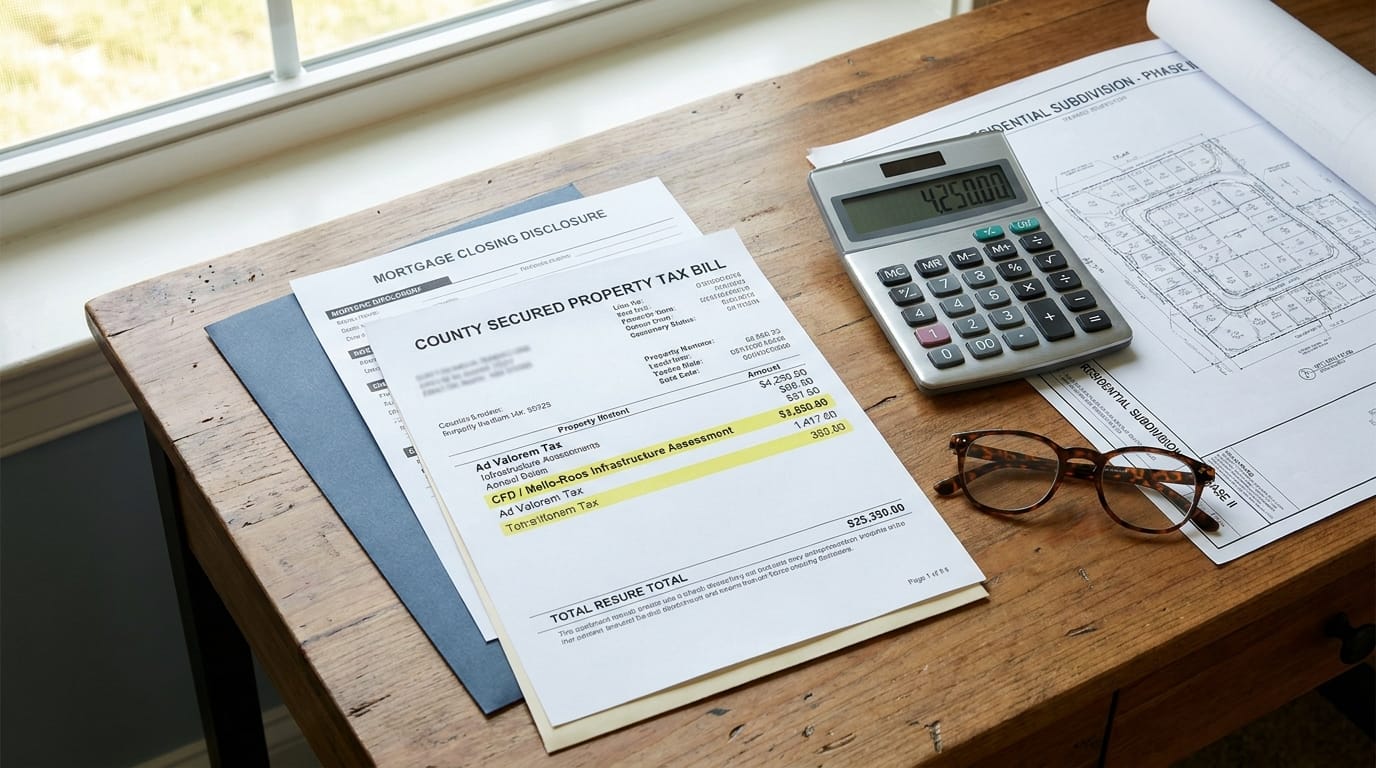
Community Facilities Districts (CFDs), Mello-Roos districts, and Local Improvement Districts (LIDs) fund neighborhood infrastructure by adding fixed annual fees to your county property tax bill, typically lasting 20 to 30 years. Because mortgage lenders count these $250 to $650 monthly charges as mandatory debt rather than
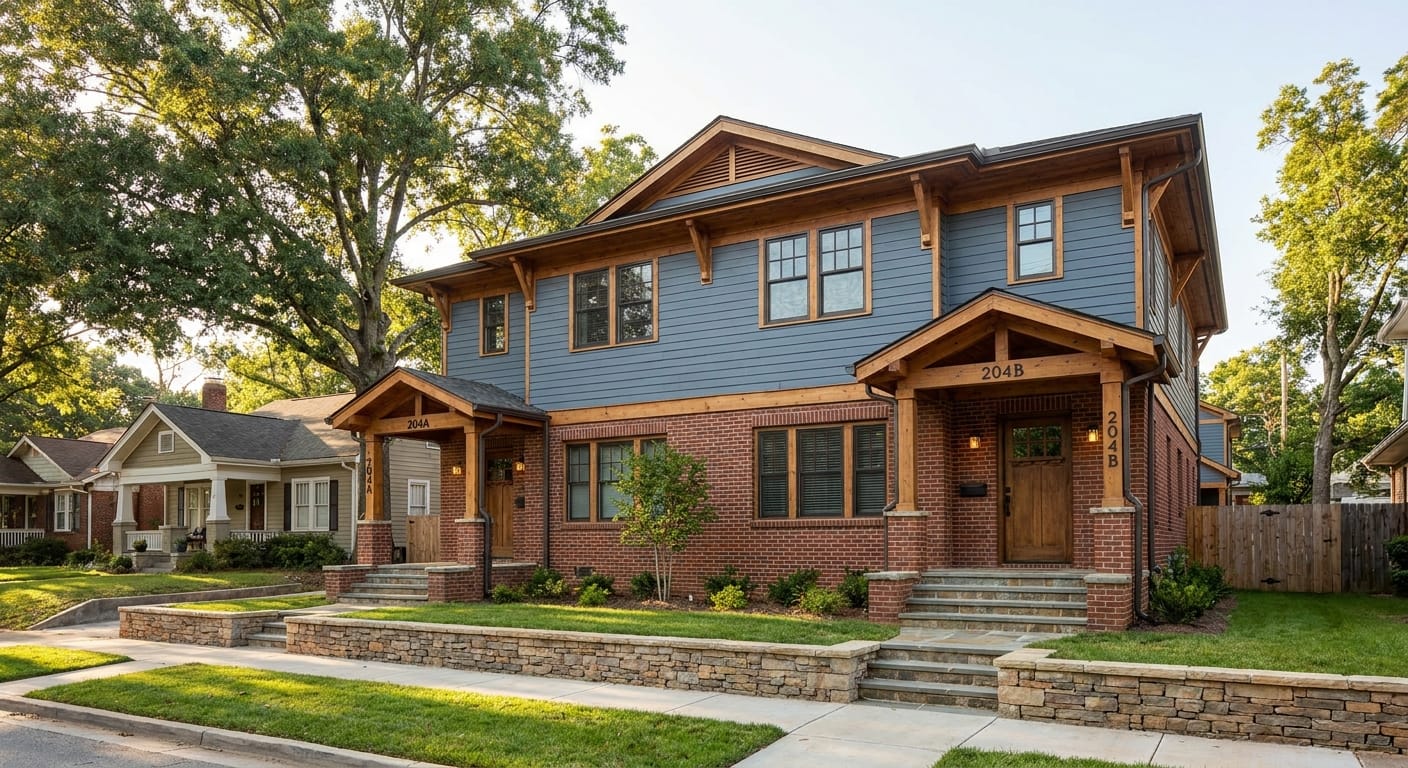
To combat a structural 1.9 million home shortfall across the United States, municipalities and state governments have been quietly passing sweeping "missing middle" housing legislation. This regulatory shift, gaining significant momentum between 2024 and 2026, effectively rolls back strict single-family-only zoning, a framework that has
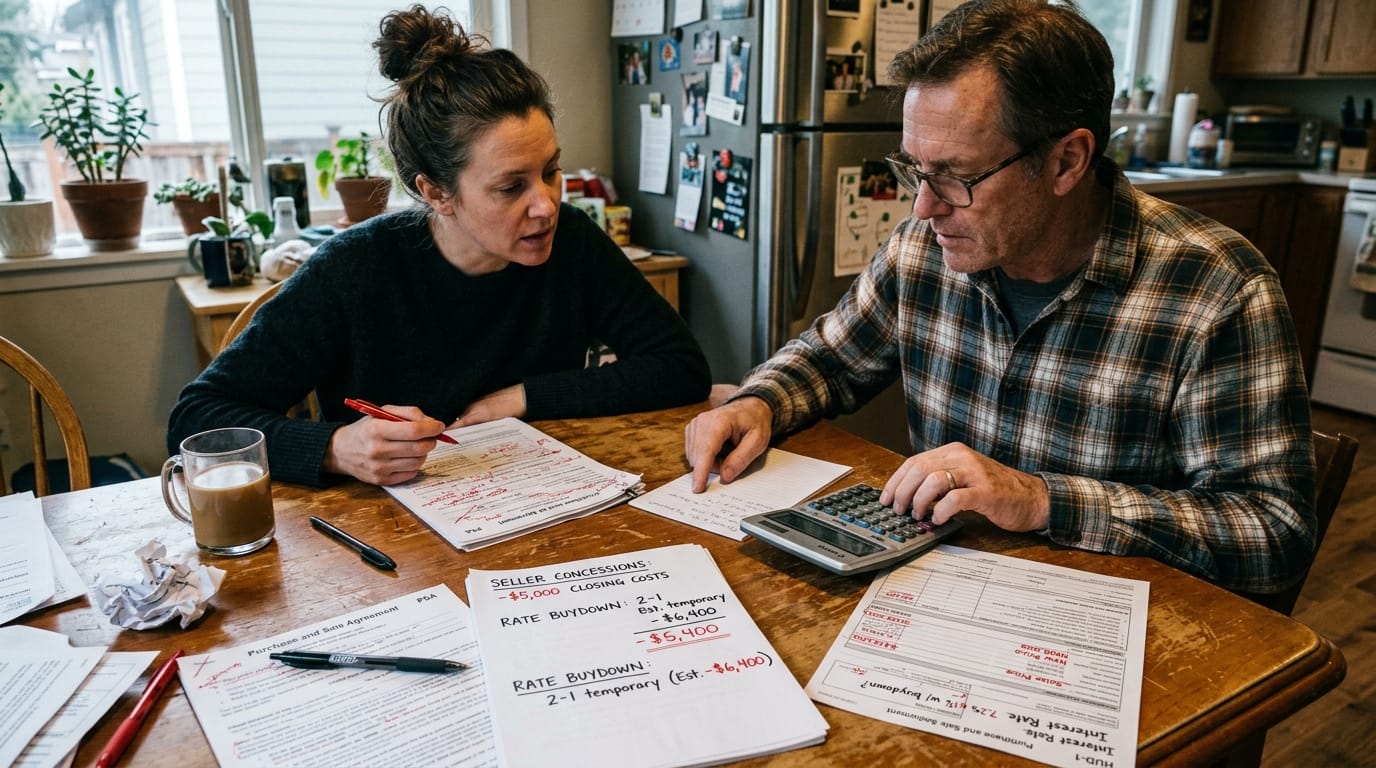
The housing market is finding a new balance this April. With national price appreciation stalling at 0.5% and inventory rising nearly 10%, the dynamic is shifting. Sellers face an affordability ceiling as mortgage rates hold near 6%, and buyers are becoming more selective. To keep deals moving, 39% of