The Short-Term Rental Squeeze: How Municipal Bans Reshape Valuation Multipliers
The Factual Summary
If you own a vacation property where local zoning now restricts short-term rentals, its financial value is likely dropping back to standard residential levels. Because traditional Automated Valuation Models (AVM) rely on older sales data, they often mask this sudden equity loss for up to a year. To avoid having your sale derailed by strict mortgage underwriting limits, you should efficiently price your home based on what local long-term renters earn, and use objective valuation tools to negotiate standard residential sales.
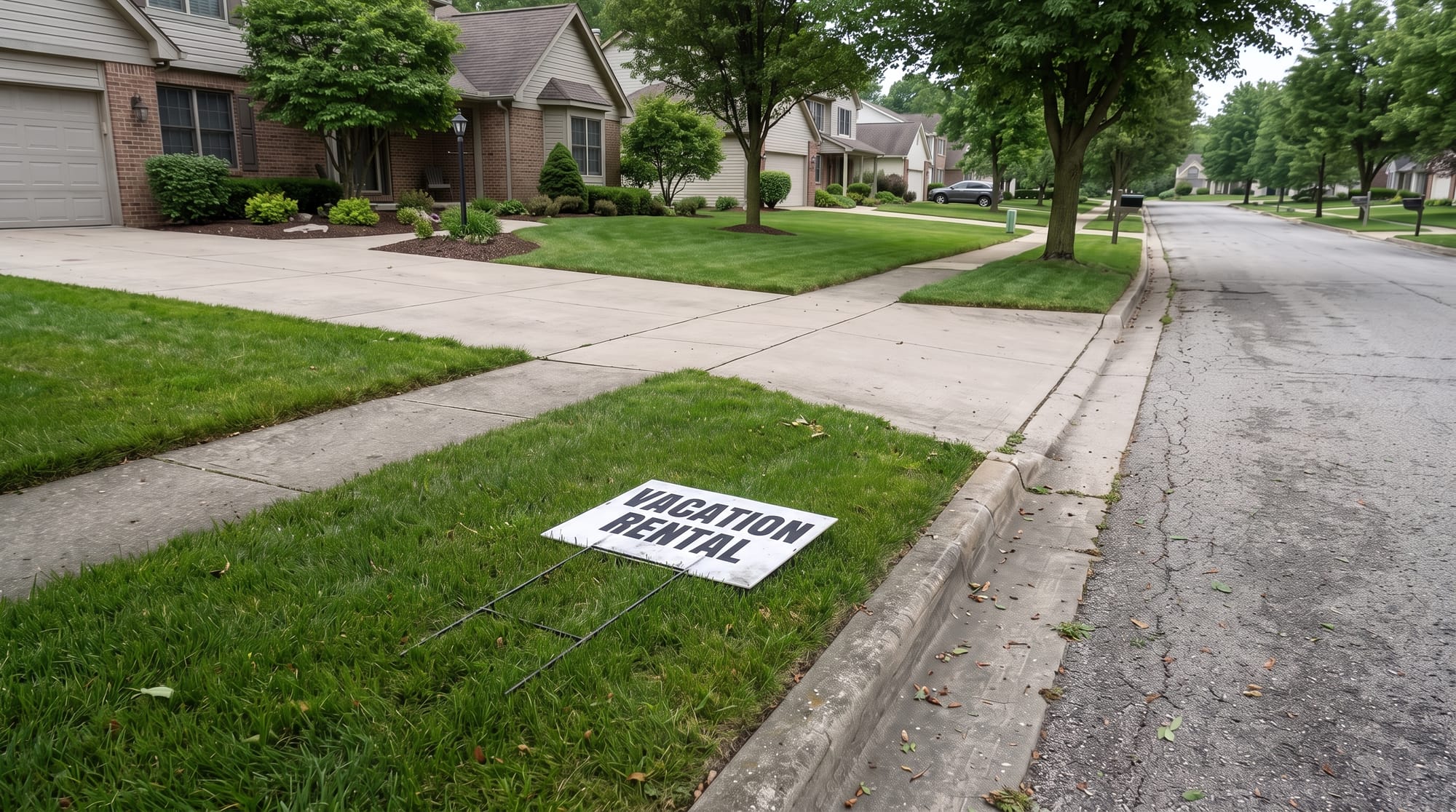
Municipal short-term rental bans are wiping out the hospitality premium on vacation properties across the country.
For nearly a decade, homes in popular vacation corridors sold at prices far above their traditional residential value. Buyers willingly paid those elevated prices because single-family homes and condominiums operated as income-producing lodging businesses. Nightly booking revenues easily covered large mortgage balances, premium furnishings, and high property management fees.
That pricing dynamic is ending quickly. As local city councils pass strict licensing limits, ban permit transfers, and mandate primary residency rules, the commercial value built into those properties evaporates. Active sellers now hold assets that must be priced against local household incomes rather than lucrative traveler receipts. This transition triggers a direct financial reset across the local market, turning commercial cash-flow properties back into conventional neighborhood housing.
From Vacation Cash Flow to Neighborhood Rents
The financial mechanism behind this correction comes down to how investors value property income. During the height of the short-term rental expansion, buyers purchased homes using specialized debt products that qualified borrowers based strictly on projected booking revenue.
An $800,000 purchase price was viable when an asset generated $90,000 in gross annual booking receipts. That transaction reflected an income multiplier of roughly nine times gross revenue, a figure supported by steady seasonal traveler demand. Once short-term rentals are restricted, that same physical structure must compete as a standard long-term rental or an owner-occupied residence. Local market rents for that property typically generate around $36,000 annually.
At a basic long-term rental income of $36,000, an $800,000 valuation commands a multiplier that conventional residential investors simply will not underwrite.
Long-term rental portfolios generally target purchase multipliers between eleven and fourteen times gross annual rent to maintain positive cash flow. Beyond that range, standard operating costs quickly consume all income. Mortgage interest, county property taxes, rising hazard insurance premiums, regular maintenance, and long-term capital reserves turn the investment cash-flow negative. As a result, short-term rental investors leave the market, forcing sellers to rely exclusively on local working families and traditional long-term landlords.
Real Market Data from Maui, Palm Springs, and Colorado
Market data from major vacation destinations shows how quickly zoning changes reset transaction baselines. This transition from hospitality revenue to residential yields leaves a clear footprint on recorded property values and neighborhood equity.
In Maui County, the passage of Bill 9 targeted short-term rentals across roughly 7,167 apartment-zoned condominium units that had operated for years under previous legal interpretations. In affected complexes across West and South Maui, median sales prices dropped 34 percent. Valuations fell from an August 2024 peak of $972,000 down to roughly $642,500 by early 2026. While single-family residential homes held steady due to ongoing owner-occupant demand, condominium inventory in the restricted areas surged by more than 200 percent. Sellers had to make substantial price cuts to attract conventional buyers.
In Palm Springs, California, municipal rules established a 20 percent neighborhood density cap on vacation rental permits and prohibited permit transfers during property sales. Because incoming buyers could not inherit an existing operating license, properties lost their primary commercial value upon transfer. Real estate values in neighborhoods with high concentrations of investor-owned properties dropped between 15 percent and 40 percent.
In Colorado mountain towns such as Steamboat Springs and Breckenridge, newly drawn overlay zones created an immediate divide in property values. Homes situated outside permitted lodging boundaries lost their transient rental rights, leading to price declines between 12 percent and 22 percent. Meanwhile, identical properties located inside permitted lodging zones retained their pricing premiums. The physical build, square footage, and views were identical, but municipal zoning rules determined the allowable financial return and dictated the transaction price.
The Hidden Delay in Online Property Estimates
For sellers preparing to list, the biggest obstacle is the data lag in standard online property estimates. Automated Valuation Models (AVMs) rely on backward-looking transaction data. They calculate current property estimates using historical transactions completed when buyers were still paying premiums supported by vacation income.
This reporting lag creates misleading pricing benchmarks that often persist for 180 to 360 days. An online valuation tool might indicate a home is worth $850,000 based on sales that closed months before the zoning rules took effect. However, buyers entering the market today understand the current restrictions. They will evaluate the property around $620,000 based on standard residential rental rates and local market utility.
When sellers price their homes to match outdated automated estimates, properties sit on the market without activity. Average days on market frequently climb from 40 days to 140 days or more. As a listing lingers across multiple mortgage cycles, buyers perceive it as flawed. This extended market exposure pushes sellers into compounding price reductions that ultimately fall below fair market value just to stop ongoing carrying costs.
Mortgage Underwriting and the Rental Schedule Hurdle
The divide between historic pricing and current zoning limits creates major friction when buyers use conventional mortgage financing. Even if a buyer agrees to a higher purchase price, formal underwriting rules often halt the sale.
Conventional residential mortgage lenders evaluate properties based strictly on physical characteristics and legally permitted residential use. Underwriters exclude discontinued vacation rental earnings from debt-to-income calculations. When a lender orders a certified appraisal, the appraiser must complete a standard single-family comparable rent schedule, such as Fannie Mae Form 1007. They evaluate verifiable, twelve-month residential leases in the immediate market area to establish the baseline rent.
When the rent schedule reflects a standard residential rate of $2,800 per month instead of peak vacation revenues, the lender recalculates the allowable loan balance. This adjustment triggers a valuation shortfall, creating a financing gap between the approved loan amount and the agreed purchase price. If the buyer cannot bridge the difference with cash and the seller will not lower the price, the transaction collapses.
Practical Pricing and Exit Strategies for Active Sellers
Establishing an effective list price in a restricted market requires shifting away from hospitality benchmarks and evaluating the property through standard residential financing metrics.
Operators must immediately align pricing with acceptable residential acquisition models, leveraging local median lease data to find their new valuation floor. Calculating the total monthly carrying cost of the target listing price, including mortgage principal, interest, taxes, and current hazard insurance, and comparing that obligation against local household incomes provides the true threshold for buyer qualification. If local wage earners cannot qualify under standard limits, the asking price is disconnected from the available buyer pool.
If current residential valuations create an unacceptable equity loss, active sellers can deploy structural exit strategies to preserve capital. Offering seller financing with attractive terms, using structural installment sales to defer capital gains, or setting up master-lease agreements with corporate housing operators can successfully offset strict underwriting roadblocks. In retail transactions, executing targeted financing concessions like temporary mortgage rate buydowns lowers the buyer's monthly payments without aggressively cutting the recorded sales price.
Relying on lagging online valuation estimates ultimately leads to pricing errors. Pricing an asset around current residential income potential, local buyer financing constraints, and strategic transaction structures helps sellers prevent failed escrows and protect remaining equity.
FAQs
No. An eppraisal is an AI-powered property analysis tool, not a licensed financial appraisal. It provides Estimated Property Valuations and qualitative market context to inform your decision-making quickly and easily. While highly accurate for research, it is not a substitute for a certified appraisal required by lenders.
Municipal short-term rental zoning restrictions rapidly lower property values by eliminating lucrative vacation revenues. Once a ban takes effect, properties lose their targeted investment premium and must be priced against standard local median incomes. This shift forces sellers to rely on traditional residential pricing and valuation models.
Standard Automated Valuation Models currently run on a noticeable 180 to 360-day lag because they heavily rely on backward-looking historical sales data. They continue to reflect inflated pre-ban commercial pricing premiums long after restrictive zoning laws take effect, which ultimately misleads active sellers on current market reality.
Yes, but you must strategically realign your listing price away from outdated hospitality metrics. Active sellers face strict mortgage underwriting hurdles if prices stay artificially high, so executing seller financing or adopting local lease data baselines remains critical for ensuring a stable, successful transaction process.
The Core Facts
Aging, sloped retaining walls holding back more than four feet of soil are evaluated as strict structural shoring systems, not simple aesthetic landscaping. Failing to address unpermitted or leaning walls early allows buyers to demand large repair credits during inspections. Sellers must proactively audit municipal permits to
The Core Takeaway
Many cities no longer pay for local drainage repairs using general property taxes. Instead, they charge property owners a dedicated stormwater utility fee. The city uses aerial maps to measure the exact square footage of hard surfaces on your physical lot, including your roof, driveway, and concrete
The Core Takeaway
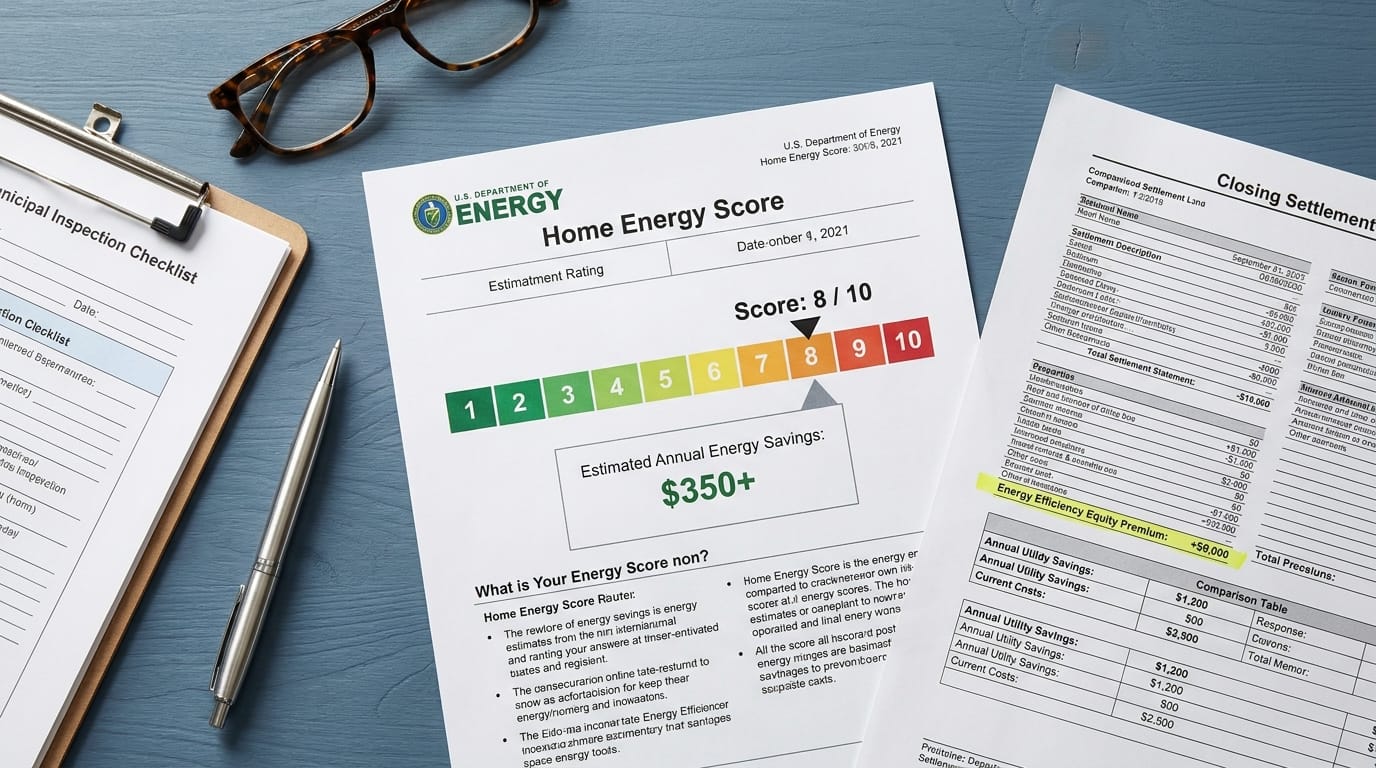
In a growing number of cities, local rules require homeowners to get an official 1 to 10 Home Energy Score before putting a house on the market. Real estate data from Lawrence Berkeley National Laboratory shows that in cities with mandatory scoring, each one-point increase on