The Solar Illusion: Why Leased Panels Are Not Free Upgrades
The Summary
When you buy a home with leased solar panels, you inherit the previous owner's third-party debt, not an equity-building asset. These Power Purchase Agreements (PPAs) trigger UCC-1 fixture filings that act like liens, severely tightening your Debt-to-Income limits and causing major escrow delays unless the seller funds a buyout.
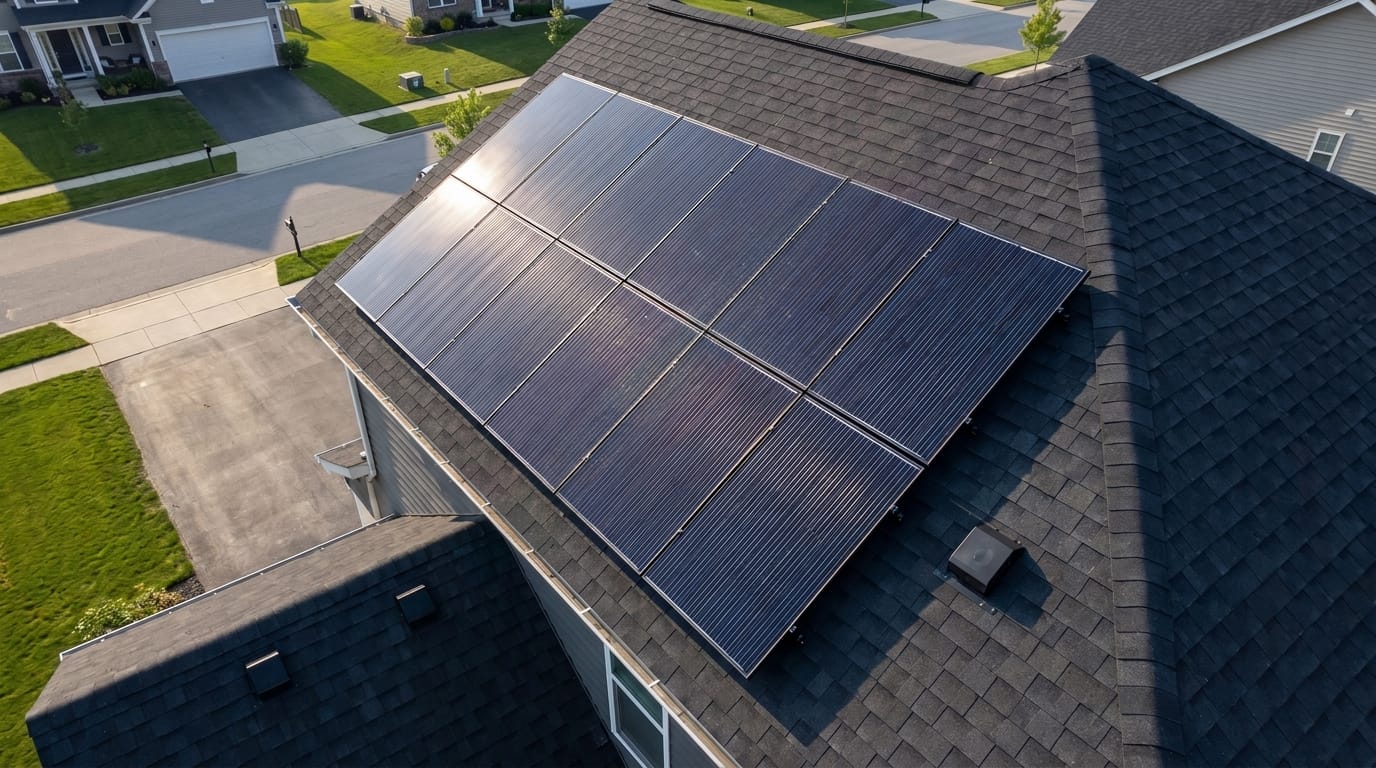
Seeing modern solar panels on a rooftop creates an immediate impression of energy independence and forward thinking design. When you tour a property, the physical presence of solar arrays suggests lower utility costs and a reduced carbon footprint. When the seller paid for the solar setup with cash or finished paying off the installation loan before putting the home on the market, that assumption is absolutely correct. Owned panels convey directly with the deed as a permanent part of the house, similar to a high efficiency heating system or a newly upgraded electrical panel. They add measurable equity to estimated property valuations and lower your monthly electric bills without adding new financial obligations.
Leased panels and Power Purchase Agreements (PPAs) change the math completely. Under a PPA setup, a private solar business keeps full ownership of every panel, wire, and inverter on the roof. The current homeowner never actually owned the equipment. They didn't claim the federal clean energy tax credits and hold no legal title to the power system itself. Instead, they signed a 20 to 25 year contract agreeing to purchase the power generated by those panels at a predetermined rate or pay a fixed monthly rental fee.
For you as a buyer, this means taking over a decades long bill. It swaps home equity for an instant liability. You aren't getting free electricity. You're inheriting a restrictive payment obligation that someone else started years ago. The hardware on the roof works perfectly fine, but the third party financial contract attached to it creates a hidden hazard.
The MLS Misclassification: Spotting the PPA Early
One of the biggest hurdles buyers face is bad information upfront. In many cases, real estate listing agents mistakenly market properties with leased panels as having wholly owned solar systems. You might read property descriptions touting total energy independence, only to find out weeks into the transaction that the panels belong to a corporate leasing firm.
This misclassification creates a false baseline for your offer negotiations. If you submit a premium bid believing you're buying a home with a fully paid off $30,000 energy system, discovering the lease later means you severely overpaid for the underlying real estate. To protect your purchasing power, you must independently verify the status of the solar hardware before your inspection contingency period expires. Request the original contract documents immediately. If the seller cannot produce final payment receipts or a clear satisfaction of the installation loan, you should assume a third party lease exists.
The Hidden Lien: How Solar Contracts Cloud Property Titles
Solar companies protect their physical equipment by recording a formal legal claim against the real estate with the local county clerk. Under standard commercial laws, hardware attached to a building can be classified as a property fixture. To protect their equipment from being sold without their permission, solar companies register a formal claim on your property with the county, known as a UCC-1 fixture filing.
This public document creates an active cloud on the home title. When your settlement attorney or title company conducts a routine title search to issue your lender title insurance policy, that solar filing appears. It acts as an absolute obstacle for your mortgage provider. Mortgage lenders will not release funds for your loan unless their mortgage sits in first position on the title. They demand total legal priority.
To satisfy your lender, the solar company must sign paperwork that officially places their claim behind your mortgage. Alternatively, the title company must record a termination document proving the balance was paid in full. If the solar company moves slowly and fails to deliver the right documents before your settlement date, the consequences are severe. Your loan cannot fund. Your interest rate lock can expire. Your entire purchase can grind to a complete halt over a single piece of third party paperwork.
Mortgage Math: Why Monthly Solar Fees Threaten Loan Approvals
Beyond routine title complications, leased solar systems create immediate hurdles during the mortgage underwriting process. Lending rules from Fannie Mae and the Federal Housing Administration dictate exactly how recurring monthly costs affect your qualification. If you plan to take over an existing solar lease or power agreement, loan officers can't use potential energy savings to offset the contract costs. Instead, loan underwriting systems classify the monthly solar bill as recurring personal debt.
Under strict lending guidelines, any solar agreement with a fixed payment must be added directly into your Debt to Income ratio. Monthly solar lease payments often run between $150 and $250. For a buyer qualifying close to standard debt caps, adding $200 in monthly debt can raise your debt ratio by nearly two percentage points.
In a competitive market where budgets are already stretched tight by current interest rates, that sudden administrative jump can trigger automated loan denials. When an underwriter flags the file, you must scramble to find extra cash to make a larger down payment and lower your primary loan amount. You might have to switch to harder manual loan reviews, which take significantly longer and demand higher cash reserves. If you can't restructure the financing, you'll be forced to walk away from the home entirely.
The Sixty-Day Transfer Trap: Navigating Solar Company Paperwork
Taking over a solar contract is rarely as simple as signing your name on a single assumption page. Solar companies treat the transfer process as a complete replacement of the original borrower. They require you to submit new personal credit applications, provide W-2 tax forms and pay stubs, and pass their own internal background underwriting checks.
Most solar leasing firms require an applicant to have a clean credit score between 650 and 680 to approve an assignment. If you're financing your home through a specialized program with flexible credit criteria, the solar company could reject your application. This frustrating scenario can happen even after your major mortgage lender fully approves your primary home loan.
Timing presents an even steeper hurdle. Reviewing your credit, drafting assignment agreements, preparing transfer paperwork, and securing corporate signatures regularly takes a solar company thirty to sixty days to complete. Many external providers also charge an administrative fee ranging from $250 to $500 just to begin reading the transfer review request. Because standard home purchases operate on 30 day closing schedules, solar provider processing delays frequently outlast the standard purchase contract. Buyers are left paying daily rate lock extension penalties to their mortgage lenders. They must constantly scramble to reschedule movers while helplessly waiting for an outside company to process a stack of administrative paperwork.
The $30,000 Buyout Shock: How Future Payments Inflate Payoffs
When buyers choose not to assume an expensive contract, or when rigid debt caps prevent them from doing so, the obvious solution is asking the seller to pay off the system entirely before closing. Many sellers assume paying off a solar setup works exactly like paying off an older car. They expect the payoff price to match the depreciated value of used equipment. This critical misconception causes massive shock during contract negotiations.
Solar companies don't calculate payoff quotes based on depreciated hardware value. Because these corporate providers built their business model around receiving decades of guaranteed revenue, they calculate buyouts using the full projected financial value of all remaining scheduled payments through the entire contract term. Furthermore, these agreements usually include annual compounding payment increases of 2.9 percent to 3.9 percent.
Even on a system installed 7 or 8 years ago that cost under $20,000 when new, the remaining stream of compounding payments can push the final payoff quote to between $15,000 and $35,000. When sellers discover this 5 figure liability right before closing, they are completely caught off guard. For sellers, it means a massive surprise liability that can severely eat into their final closing proceeds. Transactions often collapse entirely as both parties fight over who should pay the sudden bill.
Practical Steps: How Buyers Can Protect Their Purchase
You can protect yourself from surprise debts and title delays by following a clear due diligence routine as soon as your initial offer is accepted. During your early inspection period, ask the seller for the full solar agreement, complete payment schedules, warranty records, and the last twelve months of consecutive electric bills. Comparing actual electric bills against standard utility rates will show you whether the system is legitimately saving the household money. It will also reveal if escalating yearly rates have already wiped out any financial benefit of the panels.
Next, ask your title officer to examine the title commitment during your first week under contract. They need to proactively check for any recorded solar fixture filings attached to the property parcel. If the seller agreed to pay off the system during your negotiations, ensure that your purchase contract explicitly requires a recorded termination statement before you take final ownership of the property.
When solar company bureaucratic delays prevent the payoff from clearing in time for your settlement date, settlement attorneys can create an escrow holdback to protect you. They hold back 120% to 150% of the total buyout amount from the seller proceeds in the escrow account until the final release is recorded. That means physically restricting $20,000 to $45,000 at the closing table just to ensure the corporate debt is cleared. Demanding clear contract terms and verified lien releases guarantees that you take ownership of actual real property equity, rather than helplessly inheriting someone else's administrative and financial burden.
FAQs
Estimated Property Valuations are Automated Valuation Models (AVMs) built from comparable sales, market trends, and property characteristics. Like any AVM, they carry a margin of variance and should serve as an objective directional data point, best used alongside dedicated professional guidance during your real estate journey.
Yes, inheriting a Power Purchase Agreement means taking on hard monthly personal debt. Lenders factor these obligations directly into your debt-to-income ratio, which can reduce your overall borrowing power by tens of thousands of dollars and trigger automated loan denials in competitive markets.
Solar companies protect their attached equipment by recording a UCC-1 fixture filing with the county. This legal claim acts as a title cloud, stalling mortgage underwriting until title officers secure official subordination documents or terminal payoff receipts from the solar lease provider.
Yes, your settlement attorney can create an intentional holdback using the seller's final closing proceeds. By actively restricting between 120 and 150 percent of the total corporate buyout amount, buyers can successfully protect themselves against unexpected financial burdens caused by administrative payoff delays.
The Core Takeaway
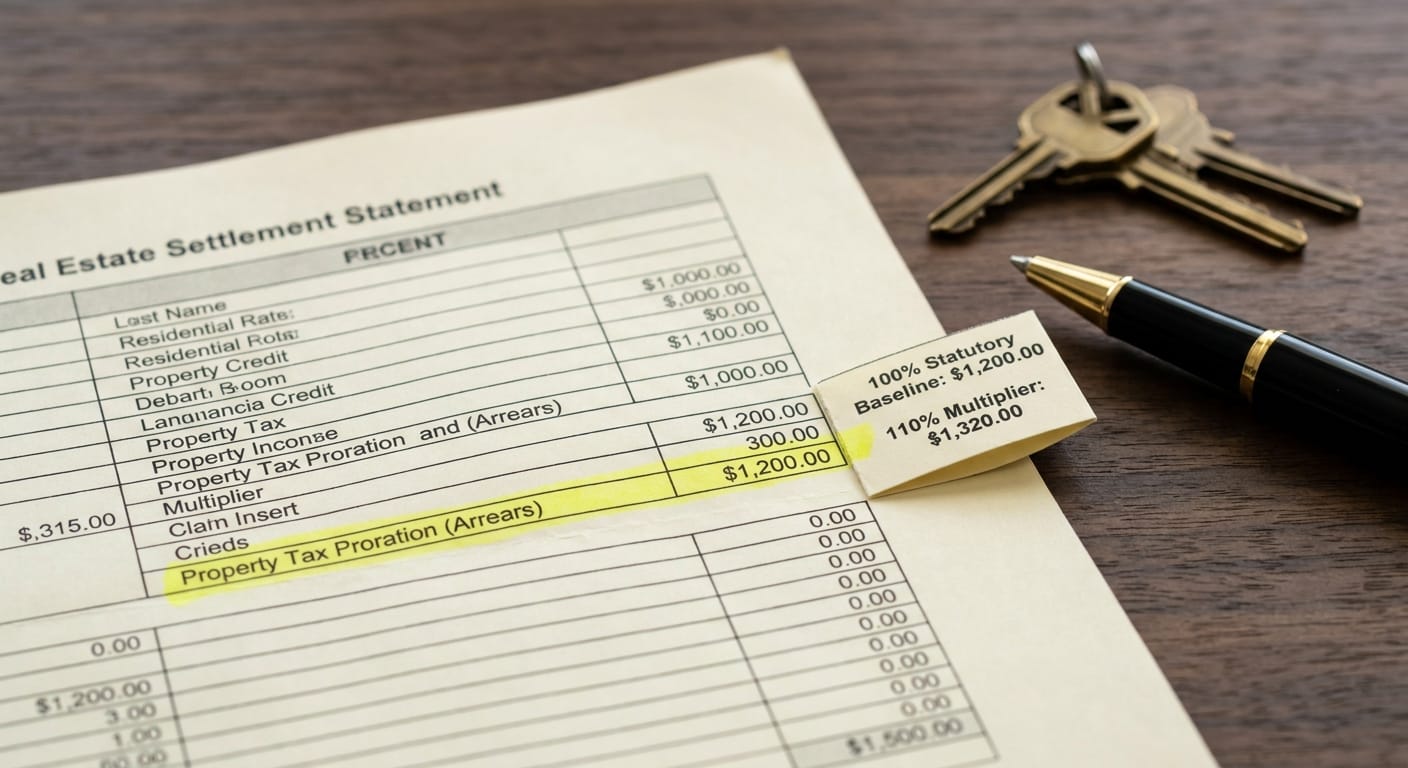
If you sell a home in a state that bills property taxes in arrears, you must credit the buyer at closing for the days you lived in the home during the unbilled tax period. Because the final county tax bill is unknown at settlement, standard real estate
The Factual Summary
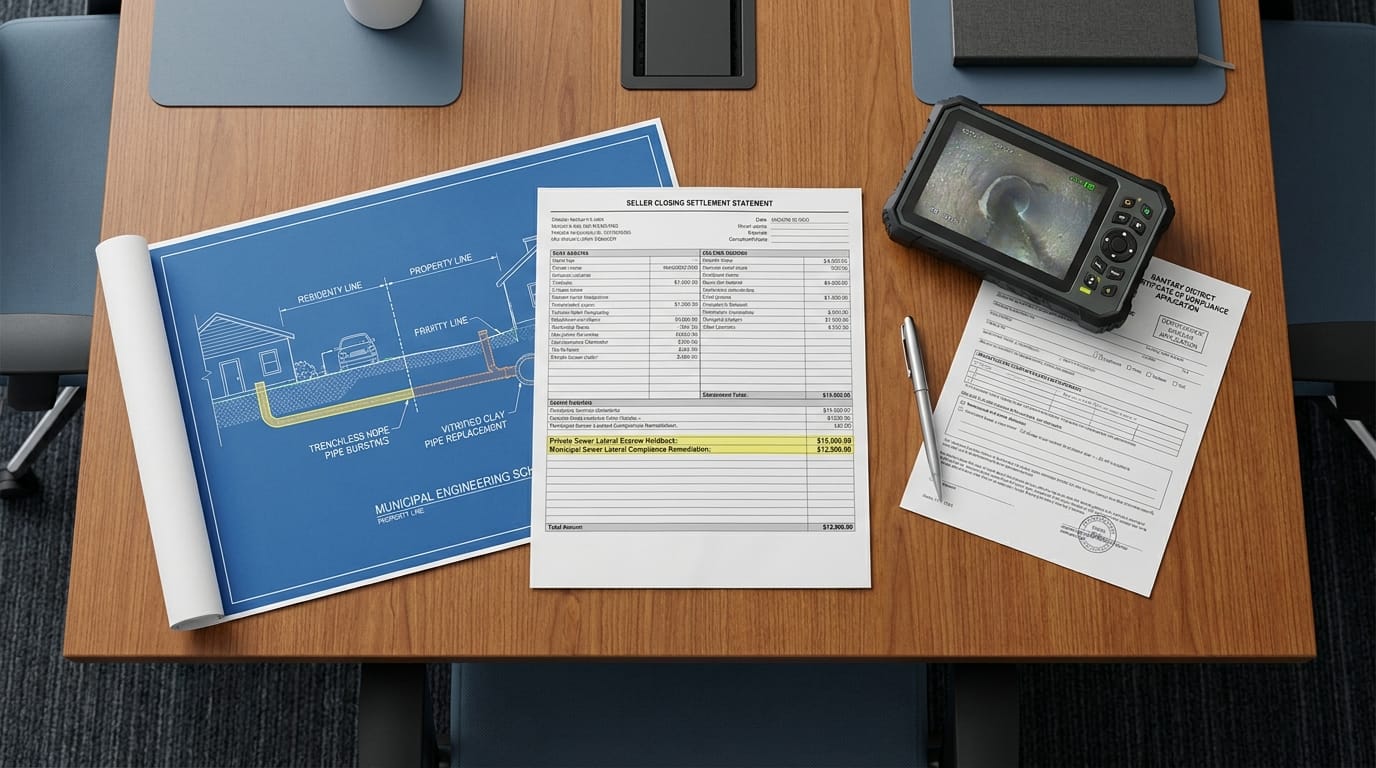
In an increasing number of cities operating under federal clean water agreements, local laws shift major underground infrastructure expenses onto home sellers. These point-of-sale ordinances require sellers to secure an official Private Sewer Lateral Certificate of Compliance before transferring property title. Because older clay, cast-
The Summary
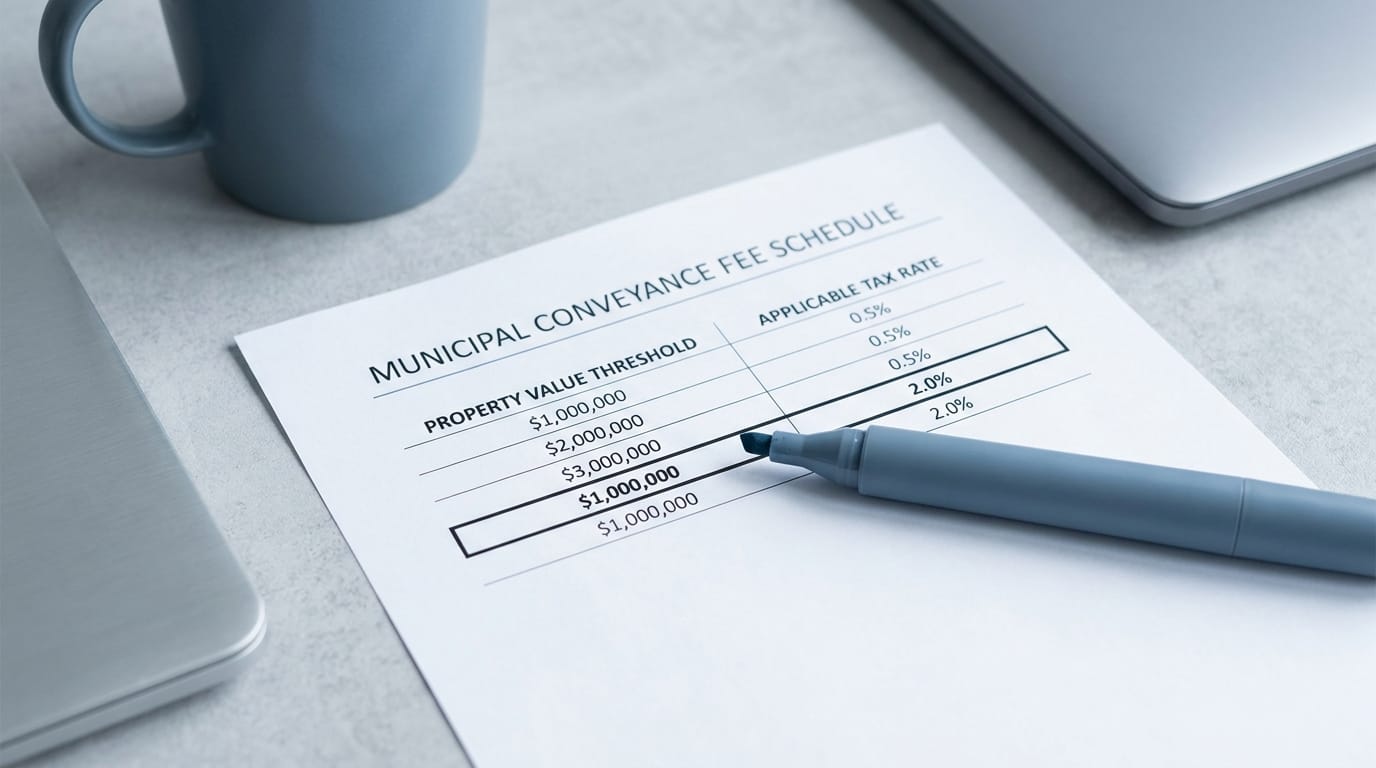
Progressive municipal real estate transfer tax brackets and localized tax cliffs can quickly reduce net seller proceeds. Crossing a statutory transaction threshold by a single dollar often triggers a higher tax rate against the entire gross purchase price.
When you prepare to put your home on the market,