The Sidewalk Repair Cliff: How Municipal Point-of-Sale Concrete Mandates Drain Seller Equity
The Factual Summary
Before selling your home, a municipal sidewalk inspection can trigger unexpected delays and contractor bills. If inspectors find a raised concrete edge taller than a quarter inch, title companies will hold back 150 percent of the repair cost from your final escrow payout until it is fixed and certified.
When preparing to list a home, sellers often focus on high-impact interior updates to maximize their final sale price while completely overlooking the public sidewalk along their front curb. Because that concrete path sits within the public right-of-way, most homeowners assume the city handles all maintenance and safety liabilities.
In cities with point-of-sale ordinances, local codes place the full repair responsibility for public walkways directly on the adjacent homeowner. Failing a point-of-sale sidewalk inspection exposes sellers to unexpected contractor repair bills ranging from $2,500 to $8,000. When concrete cracks and uneven joints become immediate closing conditions, standard lending guidelines require title companies to hold back 150 percent of the repair estimate from your net proceeds at settlement.
How Point-of-Sale Ordinances Freeze Escrow
Local governments link sidewalk compliance directly to property sales through point-of-sale inspection ordinances. In these jurisdictions, you must secure a certified compliance certificate from the municipal engineering department before escrow can close.
This requirement means you cannot transfer clear title to a buyer until the municipality confirms that the sidewalk meets local accessibility standards. Escrow officers track these certificates as mandatory closing conditions. Without an approved municipal certificate in the escrow file, the title officer cannot clear the property for closing. Missing a municipal sidewalk sign-off can halt mortgage underwriting, delay your scheduled closing date, and disrupt your entire moving timeline.
The Quarter-Inch Threshold and Uneven Concrete Standards
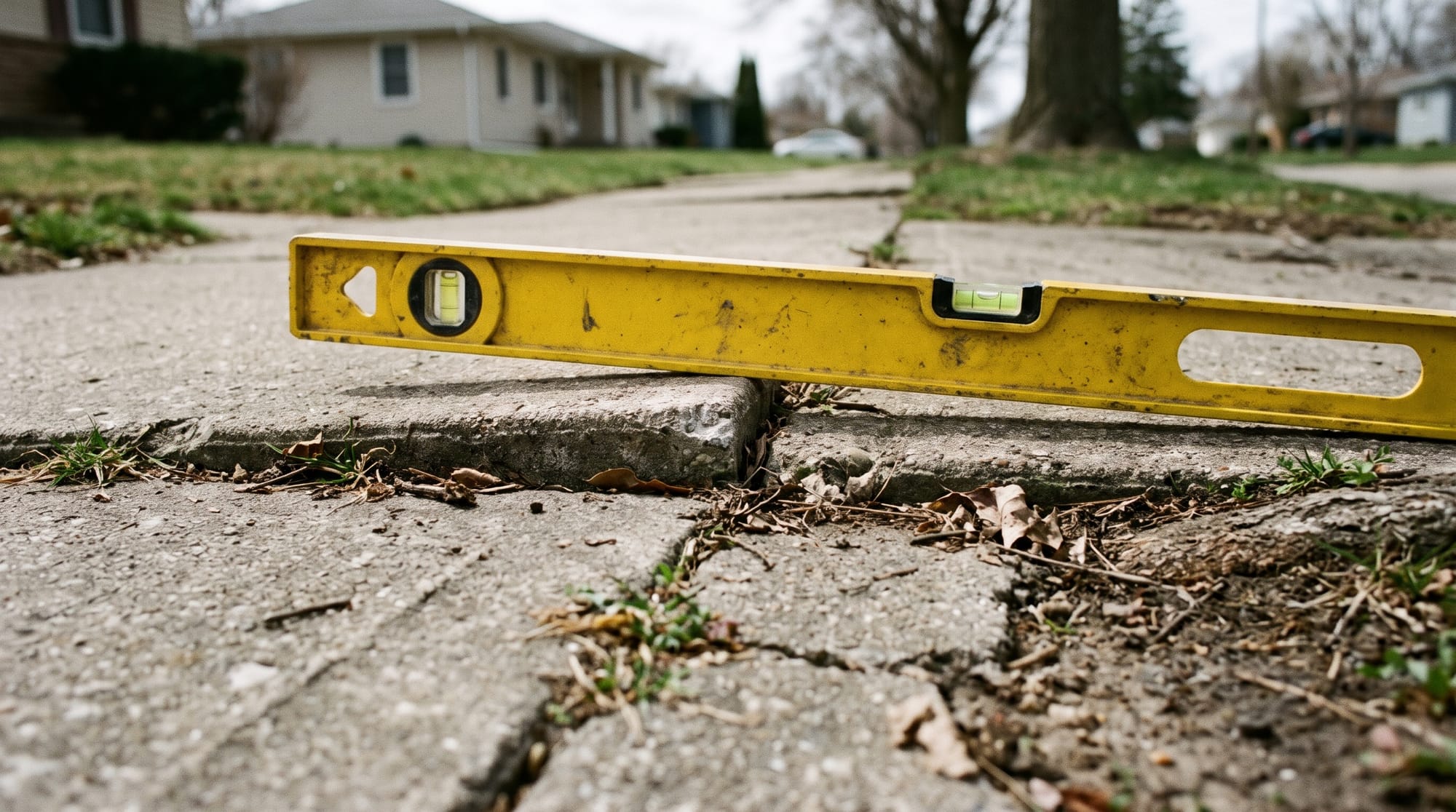
Municipal inspectors evaluate public walkways using strict accessibility guidelines. Vertical displacements up to one-quarter inch are generally acceptable without physical modification. However, any vertical offset between one-quarter inch and one-half inch requires precision concrete cutting to create a gradual transition. If a slab edge lifts more than one-quarter inch without an approved slope, or if an offset exceeds one-half inch, inspectors record an active safety violation.
These offsets rarely stem from poor general maintenance. In established residential neighborhoods, mature street tree roots are the primary cause. As roots expand over decades, they exert upward pressure that lifts heavy concrete slabs off their compacted base. In areas with expansive clay soils, seasonal moisture shifts and subsurface drainage cause adjacent panels to settle unevenly. A ground tilt of just two degrees creates a half-inch vertical lip at the seam, triggering an immediate inspection failure.
Remediation Pathways and Contractor Realities
When an inspector records sidewalk violations, sellers face two main repair options based on the physical severity of the displacement.
If the vertical offset remains below one-and-a-half inches and the concrete slab remains structurally sound without deep cracks, horizontal precision concrete cutting offers the most cost-effective solution. Specialized contractors use mobile diamond-blade saws to shave down the raised edge and create a smooth slope. Precision cutting typically costs $25 to $45 per linear foot. For a property frontage with a few lifted joints, precision cutting resolves the code violation for $300 to $600 without ground excavation or curing delays.
When vertical offsets exceed one-and-a-half inches, or when concrete slabs are fractured over large root systems, municipal codes require full panel replacement. Contractors must break out the damaged concrete, re-compact the base material, install steel reinforcement, and pour new exterior-grade concrete. Replacing two to four standard slabs creates a baseline contractor expense between $1,500 and $3,000. When factoring in municipal engineering permits, required arborist reviews for root trimming, and curb transitions, the total expense often reaches $2,500 to $8,000.
Permitting Backlogs and Closing Timeline Conflicts
The financial impact of concrete replacement becomes difficult to manage when municipal processing timelines collide with standard 30-day closing windows. Scheduling an initial municipal inspection and securing a right-of-way permit can take ten to twenty business days for department review alone.
The physical construction, root pruning, and concrete curing take another three to seven days. City inspectors must then complete an on-site audit before signing off on the permit. Altogether, securing point-of-sale sidewalk certification requires roughly 28 to 56 days. If you wait for the buyer's home inspection to identify front walkway defects, you fall behind schedule. The closing date can arrive before the city processes the paperwork, risking delayed funding or purchase contract renegotiations.
The 150 Percent Escrow Holdback and Net Proceeds Defense
When a seller cannot complete and certify concrete repairs before the scheduled closing date, the transaction can only proceed if the title company and mortgage underwriter approve a formal repair escrow holdback agreement.
Standard lending guidelines address unresolved structural liabilities by requiring title officers to withhold 150 percent of the contractor repair estimate in a dedicated escrow account. If a licensed contractor quotes $2,500 to replace two buckled slabs, the title company withholds $3,750 from your net proceeds at closing. If extensive root damage requires $8,000 in excavation, root barriers, and panel replacements, your escrow holdback increases to $12,000.
These frozen funds directly reduce the liquid cash you receive on closing day. This withholding complicates your plans if you rely on those proceeds for a down payment on your next purchase or for relocation expenses.
Escrow holdback agreements also enforce strict completion deadlines. Lenders typically require all physical repairs and final municipal compliance sign-offs within a 30-day to 60-day window following closing. Managing a post-closing construction project requires tight scheduling. If seasonal weather delays or contractor shortages cause you to miss that narrow window, penalties increase quickly.
Title agreements often permit the buyer or municipality to hire backup contractors at market rates if the timeline expires, while remaining funds can be forfeited under the agreement terms. If a seller leaves sidewalk defects unaddressed without a formal holdback, the city may complete the work through an abatement program and place the costs on the county tax roll as a special assessment lien. These liens must be satisfied during settlement and often include administrative surcharges.
Protecting your net proceeds requires treating sidewalk compliance as an upfront pre-listing task. Walking your front curb line with a standard four-foot level at least 60 days before listing helps you identify vertical offsets early. Scheduling an inexpensive precision cut before opening escrow avoids a 150 percent title holdback, bypasses municipal permitting delays, and protects your net equity at the closing table.
FAQs
Estimated Property Valuations are Automated Valuation Models (AVMs) built from comparable sales, market trends, and specific property characteristics. Like any AVM, they carry a natural margin of variance depending on neighborhood data. They should always be used as a directional data point alongside professional guidance when planning a listing.
A point of sale concrete inspection escrow is a holdback required by lenders when local rules mandate sidewalk compliance. If a seller fails the municipal sidewalk repair ordinance inspection, title companies withhold 150 percent of the repair estimate from the final cash proceeds to guarantee the concrete completion.
As mature street trees expand over decades, their roots lift heavy concrete slabs off their compacted base. If this upward pressure creates a vertical displacement taller than a quarter inch, city inspectors will issue an active safety violation. Sellers must then hire contractors to perform precision grinding or panel replacement.
The Factual Summary
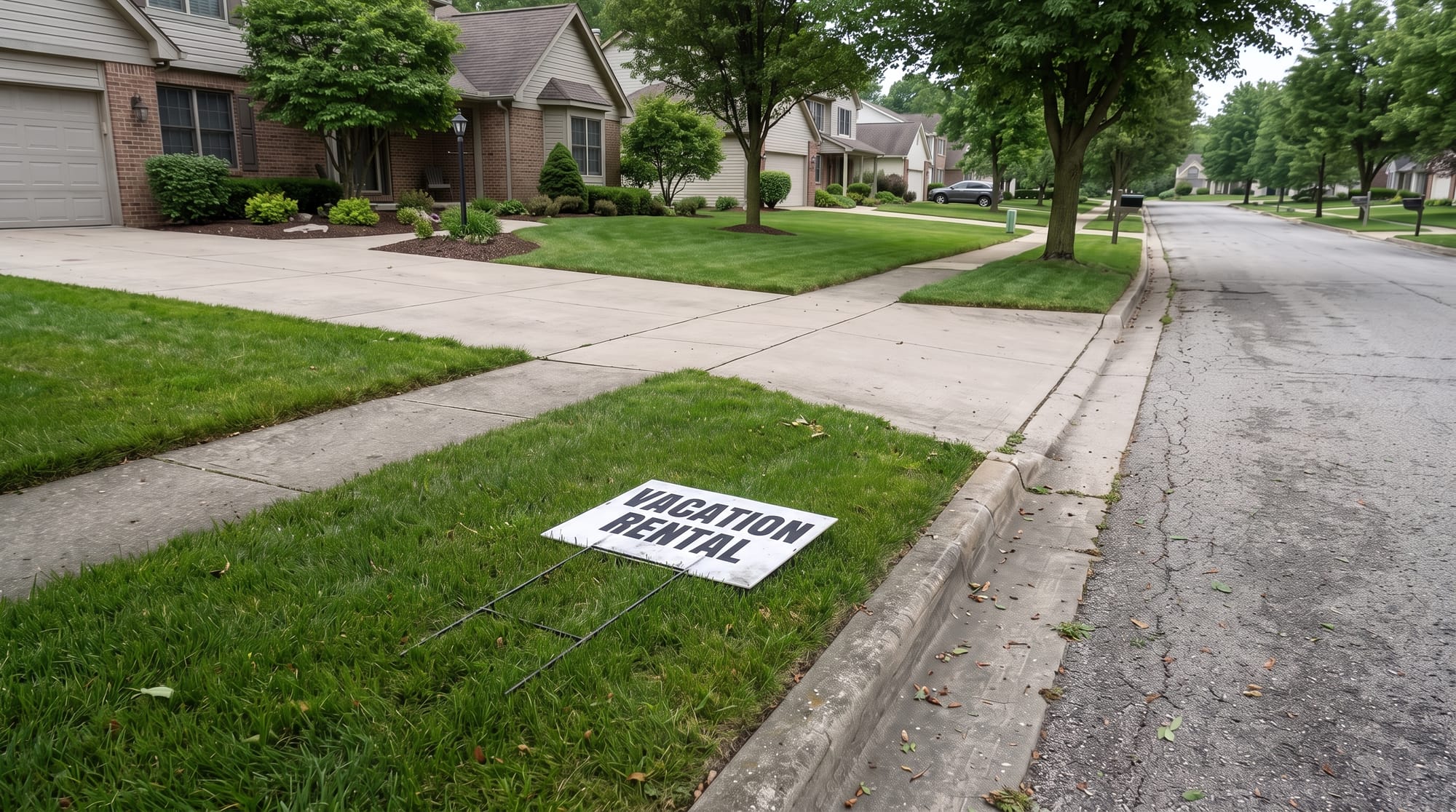
If you own a vacation property where local zoning now restricts short-term rentals, its financial value is likely dropping back to standard residential levels. Because traditional automated valuation models (AVM) rely on older sales data, they often mask this sudden equity loss for up to a
The Core Facts
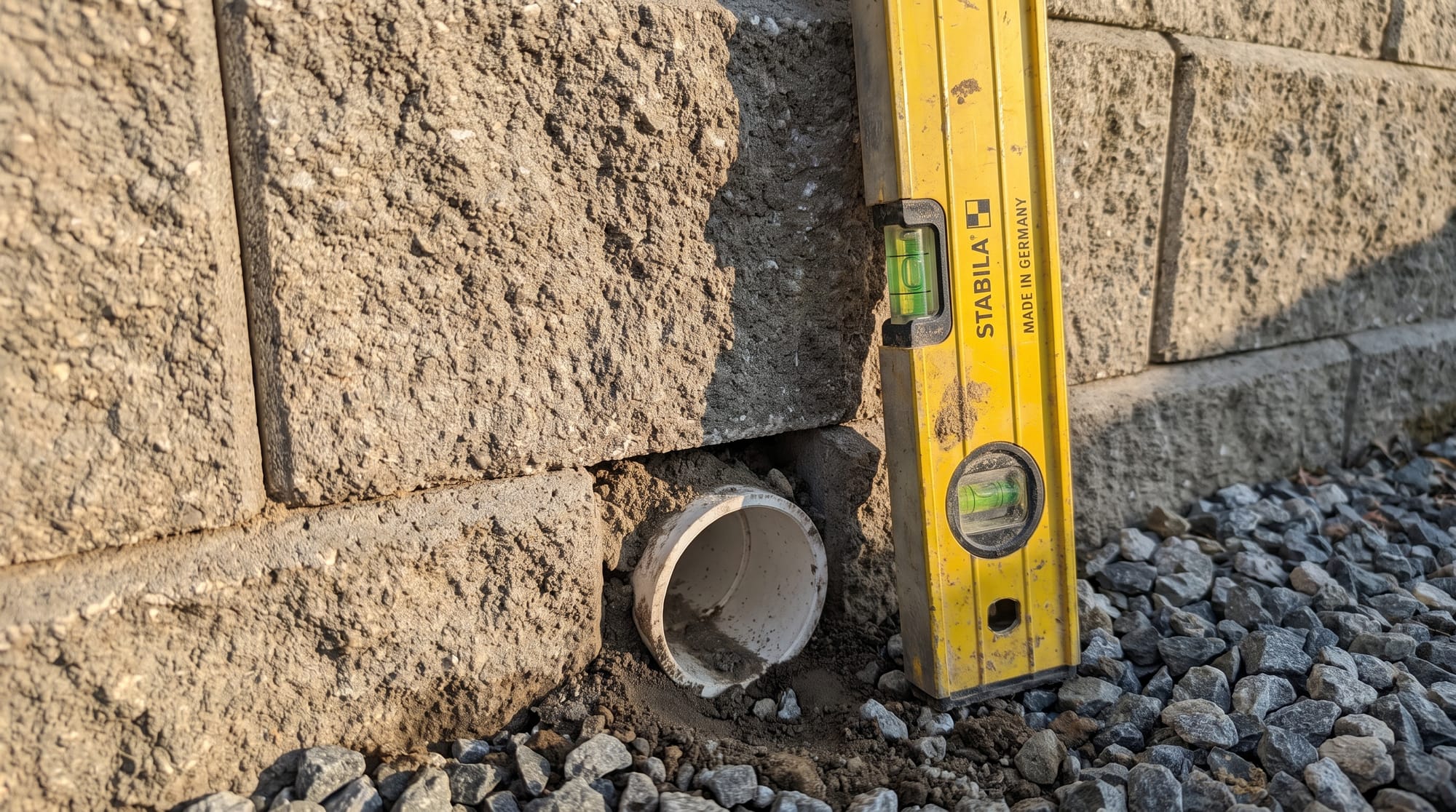
Aging, sloped retaining walls holding back more than four feet of soil are evaluated as strict structural shoring systems, not simple aesthetic landscaping. Failing to address unpermitted or leaning walls early allows buyers to demand large repair credits during inspections. Sellers must proactively audit municipal permits to
The Core Takeaway
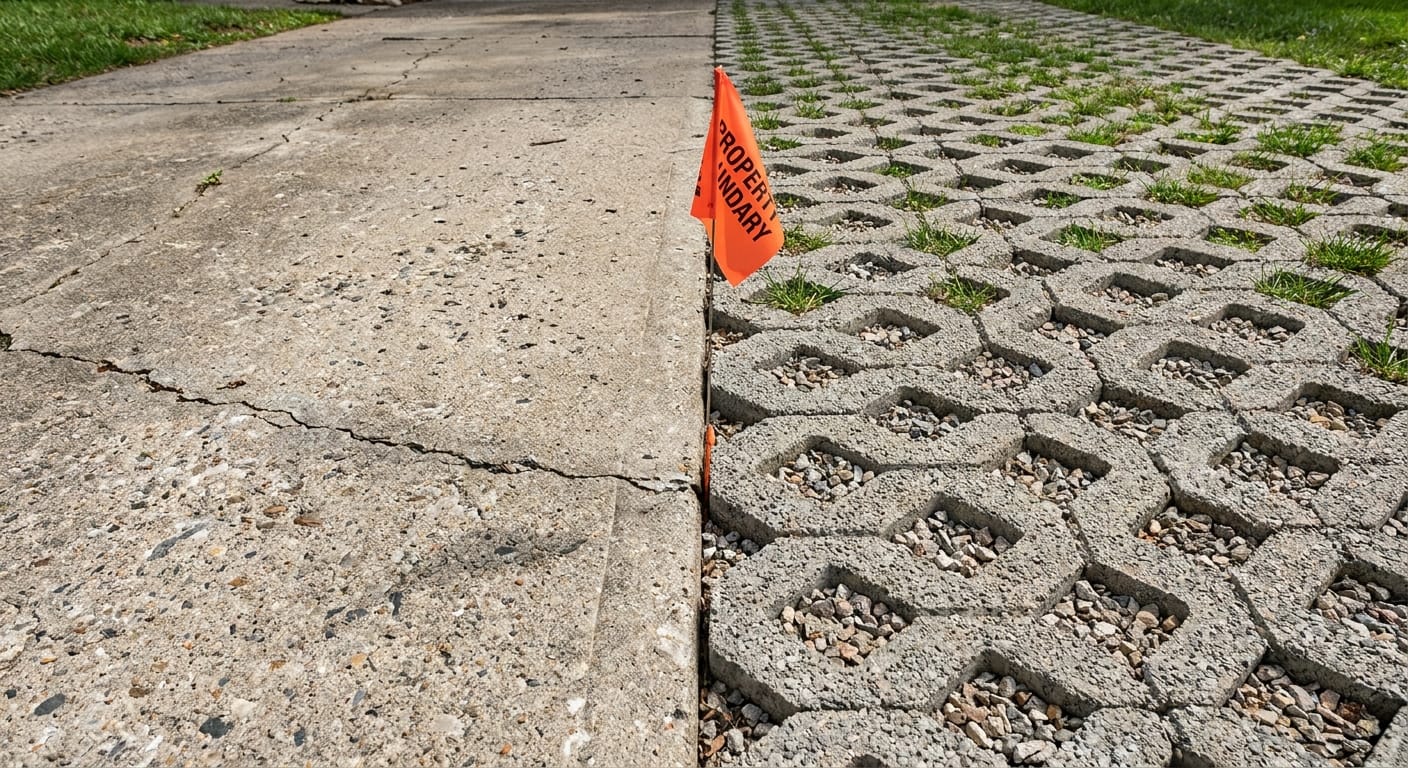
Many cities no longer pay for local drainage repairs using general property taxes. Instead, they charge property owners a dedicated stormwater utility fee. The city uses aerial maps to measure the exact square footage of hard surfaces on your physical lot, including your roof, driveway, and concrete