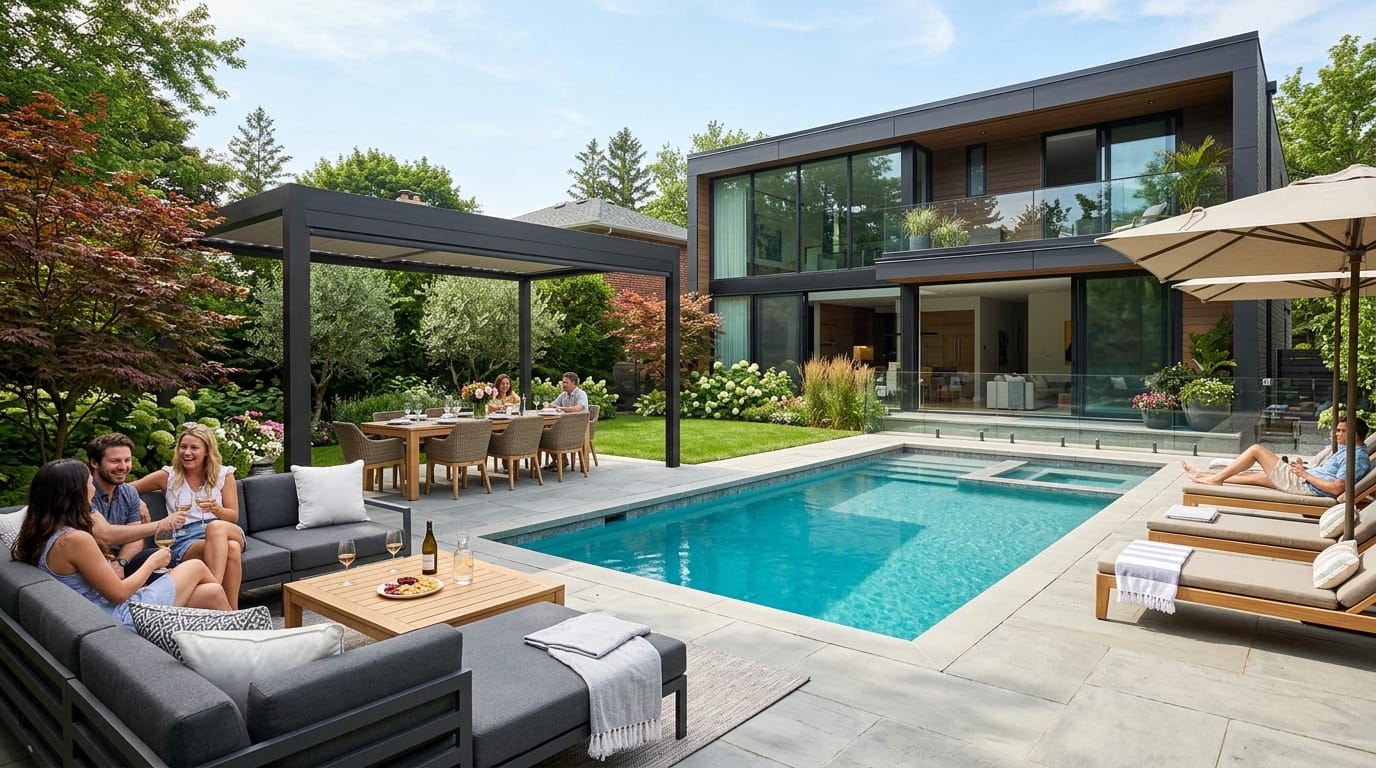
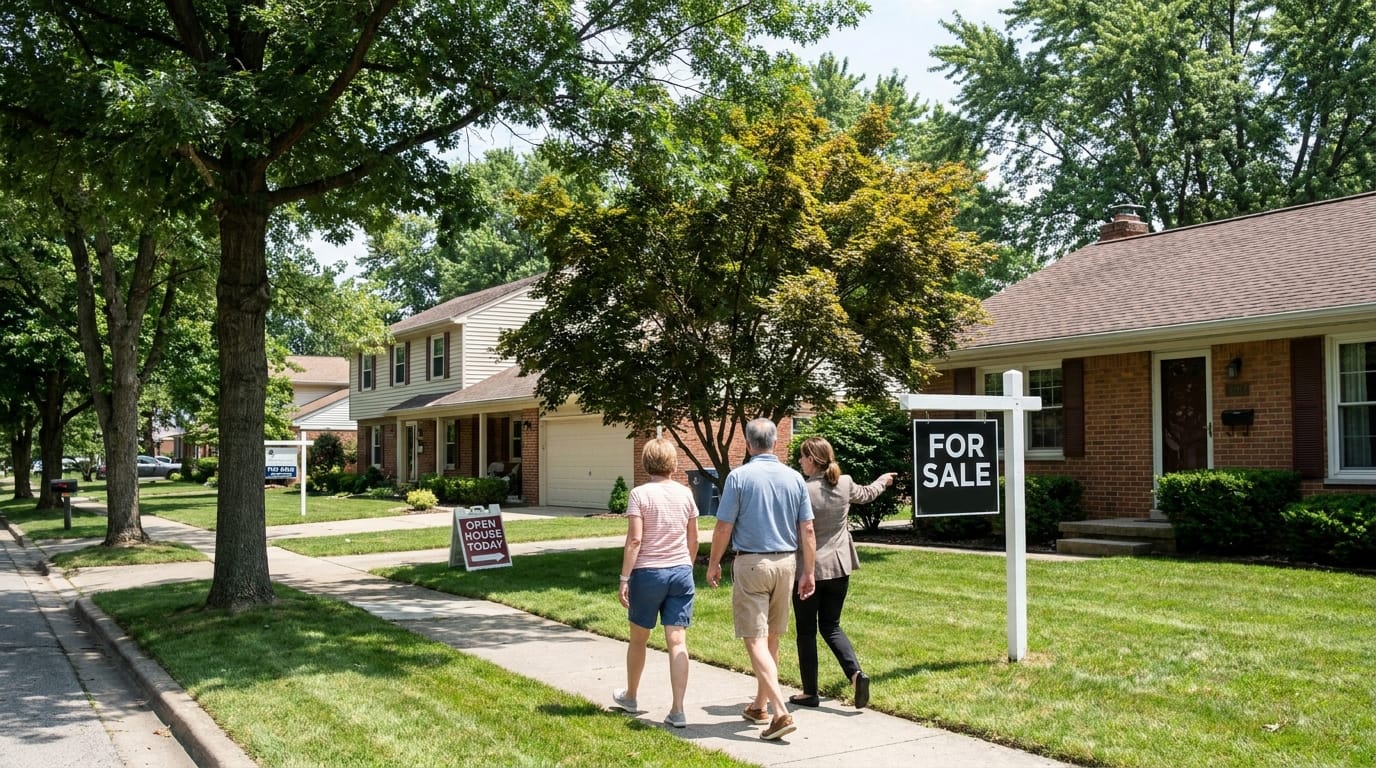
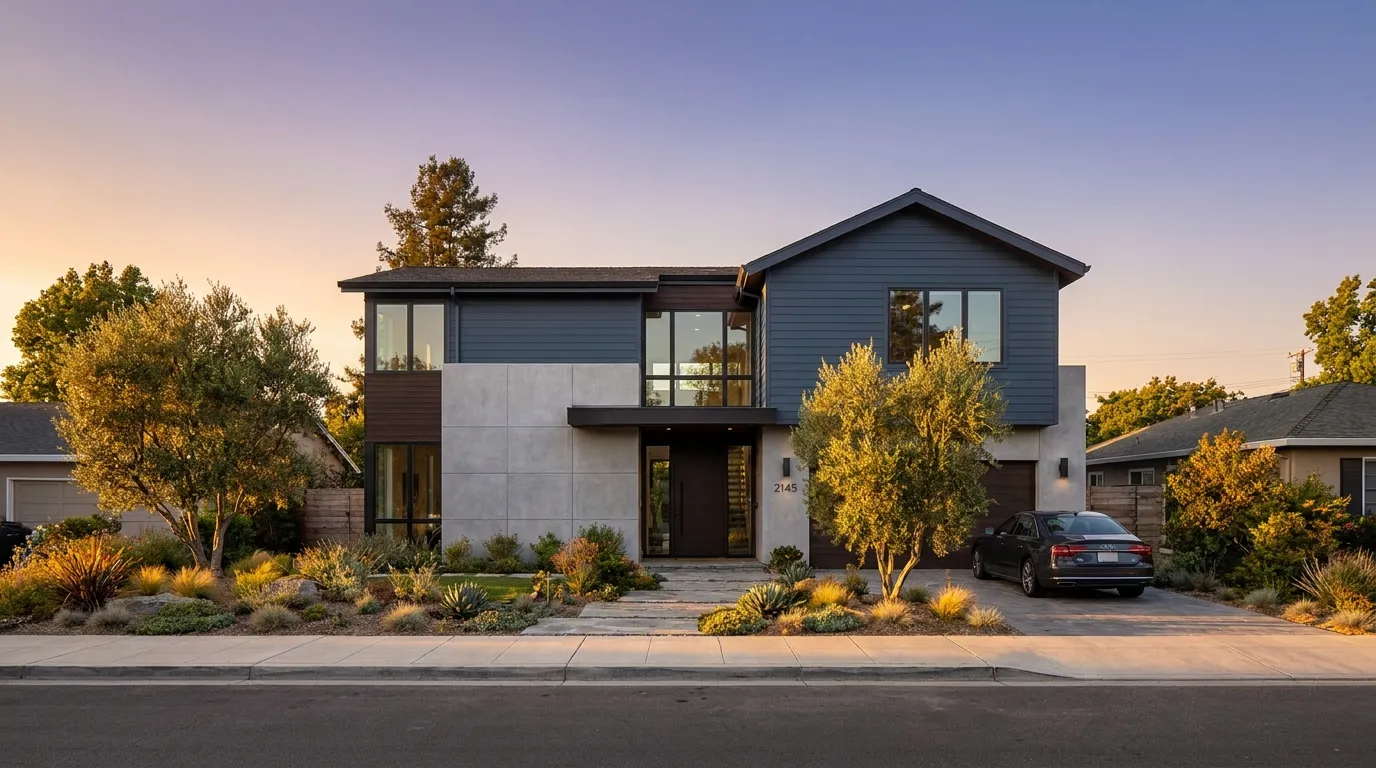
If you're searching for a home this summer, you've likely noticed a sharp divide in the market. On one side, there are properties that need "a little love," and on the other, there are move-in ready homes that seem to command a significant price jump. In the current market, that jump isn't just a trend, it’s a calculated premium that buyers are paying to skip the construction line.
Recent data shows that turnkey homes are currently fetching about a 14% premium over standard, un-updated properties. While that might seem steep, it’s often backed by the reality of a difficult contractor market. Between labor shortages and unpredictable material costs, the "savings" of a fixer-upper can disappear quickly. But before you pay extra for a home that looks perfect, you need to know if you're paying for long-term utility or just a fresh coat of paint.
The Math of Immediate Utility
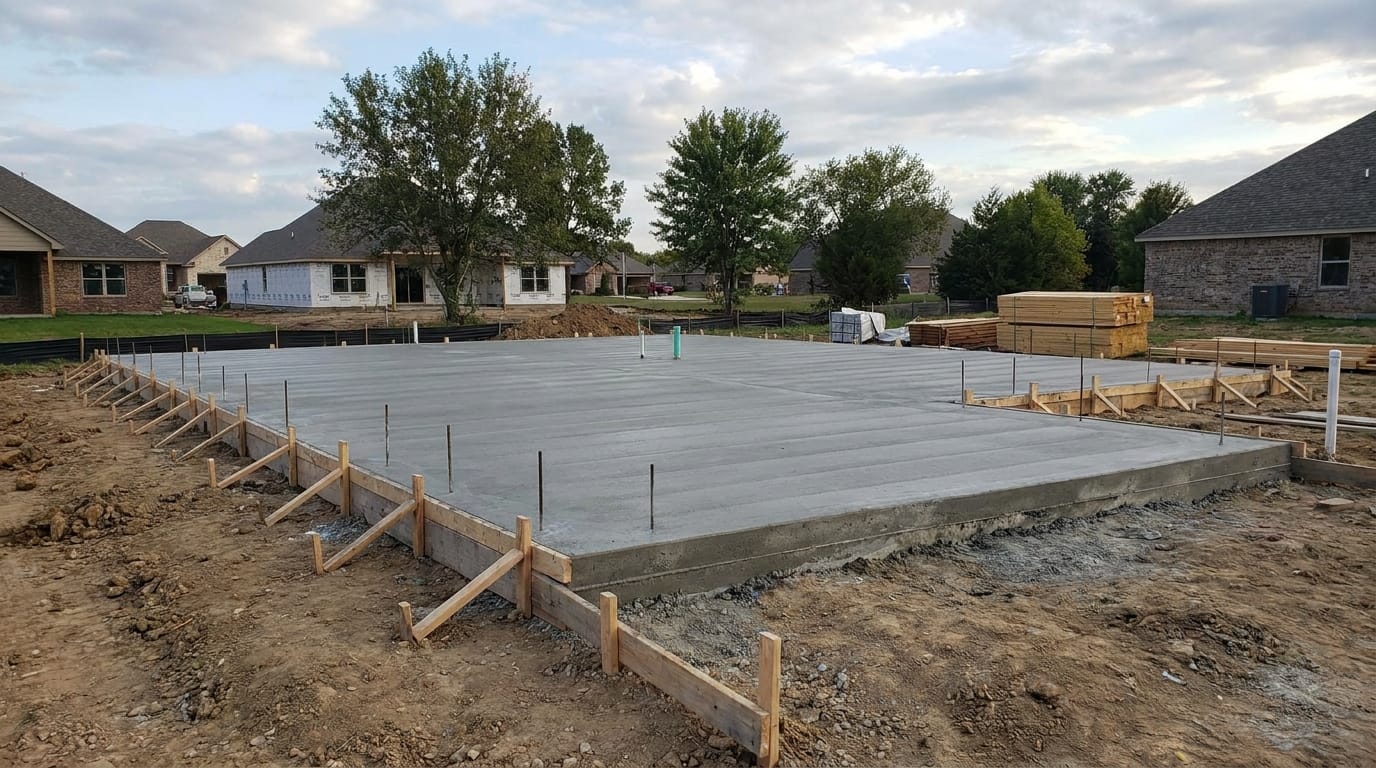
For most summer buyers, the goal is a clean transition before the school year or new work cycles begin. When you buy a home that requires immediate work, you aren't just paying for the repairs; you're paying with your time. In 2026, the logistical friction of living in a construction zone has a clear financial weight.
This is why features like modernized infrastructure and energy efficiency are driving the move-in ready premium. An energy-efficient home provides immediate, predictable savings on utility bills, a major factor during high-usage summer months. To see if a seller's premium is actually fair, I recommend using the eppraisal Agent to check the baseline Estimated Property Valuations for the neighborhood. This establishes a floor so you can see exactly how much extra you're being asked to pay for that "turnkey" status.
Staging vs. Infrastructure Value
It’s easy to be impressed by a home that looks like a gallery, but there’s a massive difference between strategic staging and actual maintenance. Cosmetic staging, like rented furniture and trendy hardware, is designed to trigger an emotional response. It doesn't change the structural integrity or the long-term carrying costs of the home.
Real lifestyle value is found in the systems that are expensive and disruptive to replace. High-end, weather-resistant windows or a fully permitted outdoor living space add intrinsic value to your Automated Valuation Model (AVM). When evaluating a higher price tag, ask yourself: "What would it cost me to replicate this work today?" If the answer involves a six-month wait for a contractor and a 20% budget overage, the premium is likely justified.
The Infrastructure Audit
A premium price tag must be supported by premium infrastructure. Before you commit to a move-in ready price, verify the underlying systems that actually run the home:
- The HVAC System: A beautiful interior won't keep you cool if the air conditioning unit is ten years old and inefficient. Check the age and the SEER (Seasonal Energy Efficiency Ratio) rating.
- Roof Integrity: A newer, weather-resistant roof (like an IBHS-FORTIFIED roof) is a primary equity protector. It guards the home against climate risk and helps stabilize your insurance premiums.
- Electrical and Plumbing: If the kitchen was modernized, were the panels and pipes modernized too? Ensure the home’s infrastructure can handle today's high-load appliances.
If the fundamental infrastructure is failing, the pretty finishes don't justify a premium price, no matter how good they look in photos.
Turning Emotion into Objective Math
At the end of the day, choosing a move-in ready home is a lifestyle decision, but it needs to be a smart financial one as well. Once you have your baseline Estimated Property Valuation, you can isolate the exact dollar amount of the premium. If the neighborhood standard is $400,000 and the turnkey home is $456,000, you’re looking at a $56,000 gap.
Now you can be objective. Is that $56,000 worth the new roof, the high-efficiency windows, and the fact that you can move in and start your life on day one? By turning an emotional "must-have" into a math problem, you can make sure you’re getting the lifestyle you want at a price that actually makes sense.