The Window Replacement Paradox: Why $25,000 Glass Upgrades Rarely Recoup Their Sticker Price
The Factual Summary
While full frame window replacements routinely cost between $18,000 and $30,000, they typically recover only 60 to 67 percent of their initial sticker price at resale and save just $150 to $450 a year on utility bills. Instead of replacing the entire frame, homeowners can often fix foggy glass or drafty sashes using targeted repairs. Replacing worn weatherstripping for under $20 or swapping out failed insulated glass units (IGUs) for $300 to $600 per window restores insulation and visibility while preserving your home equity and original architectural details.
Homeowners dealing with drafty windows or foggy glass often receive full frame replacement bids between $18,000 and $30,000. Salespeople usually justify those five figure quotes by promising dramatic drops in utility bills and big boosts in home value. Real estate math tells a different story. Upgrading to new full frame insulated windows typically trims annual energy bills by just $150 to $450. At that pace, it takes more than 40 years to break even. When you compare the upfront cost against your home's estimated property value, full frame replacements only recover about 60 to 67 percent of their sticker price when you sell.
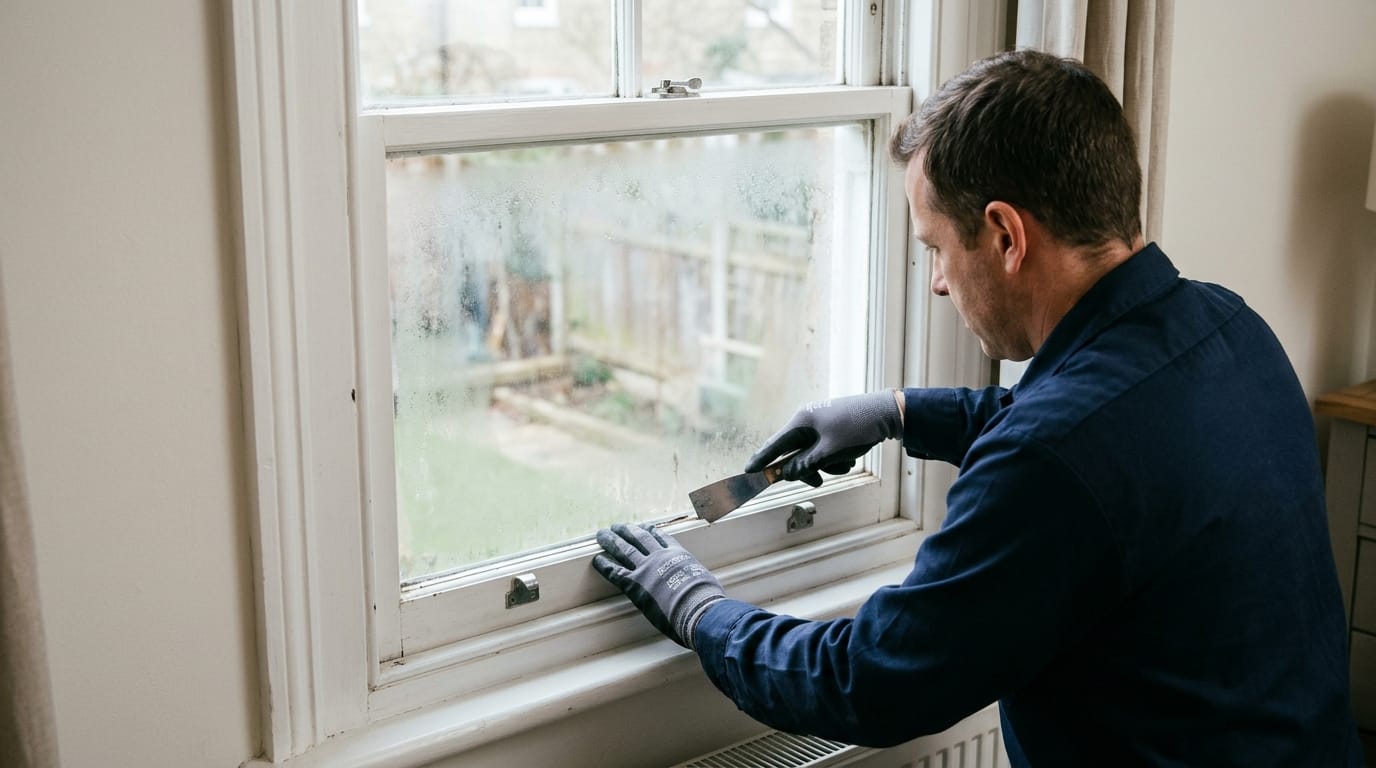
When a standard double pane window turns foggy, the surrounding frame is rarely the problem. Almost every time, the issue is simply a worn out outer seal around the glass panel itself. Over the years, that rubber seal breaks down, allowing the insulating gas sealed inside to leak out. Once the seal fails, outside moisture slips into the space between the two panes, leaving behind permanent condensation or a cloudy haze. Instead of ripping out the entire window frame and trim, you can hire a local glass specialist to remove only the foggy glass panel and drop a freshly sealed unit into your existing frame.
This targeted glass repair typically runs between $300 and $600 per window opening. Swapping out the glass restores your clear view and brings back the window's original insulation while keeping tens of thousands of dollars in your bank account. A glass technician measures the opening, orders a factory sealed glass panel to match, and installs it in minutes. Because your existing vinyl, fiberglass, or wood frames stay untouched, you avoid paying for heavy demolition and carpentry labor.
Choosing glass only repairs does come with a couple of practical hurdles. Large window replacement franchises rarely offer this service because five figure whole house packages bring in much higher profit margins than small repair calls. Finding an independent commercial glass shop or local window repair specialist willing to measure and order custom sealed panes takes a bit of searching. However, bypassing the heavy marketing overhead of major brands ensures you get an honest, pressure free assessment. Custom glass dimensions also carry a 2 - 4 week factory lead time before the panels arrive at the local shop. You'll want to factor that wait into your calendar, especially if you're clearing up foggy windows ahead of a planned home sale or certified valuation.
Many homeowners blame their glass for chilly winter drafts when the real culprit is worn out weatherstripping. Over 10 years of opening and closing, the fuzzy seal strips around crank out windows and the meeting rails where upper and lower sashes lock together flatten out. Conditioned air leaks straight through those tiny gaps. Replacing the weatherstripping and tightening the window lock latches costs less than $20 per window. That quick afternoon fix stops the noticeable drafts that often push homeowners into signing $30,000 replacement contracts. Upgrading your windows without sealing and insulating the rest of the house barely changes your monthly heating and cooling bills, especially considering windows make up only a small fraction of your home's outer shell compared to an uninsulated attic, gaps around basement framing, and standard exterior walls. Even a double pane window with a worn out seal still acts as a solid physical barrier against extreme outdoor temperatures.
The resale shortfall comes down to how automated valuation models (AVMs) and lender valuation inspections calculate a home's worth. Property values are driven primarily by livable square footage, bedroom and bathroom counts, and the overall lot and structure. The housing market treats working windows as basic maintenance. When a home is under contract, a lender's valuation inspector simply verifies that the windows open, close, latch, and have no broken glass. They don't measure gas retention rates or award bonus equity for high efficiency glass coatings. Because mortgage underwriting does not add a value multiplier for premium windows, you absorb that depreciation the day the crew finishes the job.
Borrowing money to pay for a full frame replacement stretches that loss even further. Putting a $25,000 window contract on a home equity line of credit or a contractor financing plan adds hundreds of dollars to your monthly bills. Over a 10 year period, the interest charges alone wipe out any modest savings on your electric or gas bill. Keeping that capital in savings, or putting it toward projects that actually add livable square footage or update a dated kitchen, gives you far stronger financial footing as property taxes and insurance costs rise.
Full frame tear outs also introduce construction risks that sales brochures rarely mention. Removing the original window frame forces a crew to cut into your exterior siding, slice through the home's moisture barrier, and pry off interior wood trim. If the installers don't integrate the new flashing tape and sill pans seamlessly with your existing house wrap, rainwater can find new paths behind your siding. A poorly flashed window installation can cause hidden wall rot and mold problems that cost far more to fix than the windows themselves.
Keeping your original frames is especially smart if your house sits in a historic district or an older neighborhood with strict exterior guidelines. Tearing out old growth wood sashes and custom trim to put in standard vinyl frames changes the look of the home. Local preservation boards often block modern vinyl windows on street facing walls, dragging projects through months of permit reviews. Swapping only the sealed glass panel preserves your home's authentic exterior lines and keeps you out of costly municipal approval delays.
A full frame replacement only becomes necessary when the frame itself has failed beyond repair. If wood sills have deep rot that wood filler cannot stabilize, or if your house still has 1970s single pane aluminum sliders, a full tear out makes sense. Single pane aluminum frames conduct outdoor cold straight inside, sweat heavily during winter, and cause surrounding drywall and wood framing to rot. In those specific cases, outdated materials pose a direct threat to your home's structure, making a full replacement a sensible investment.
Before committing to a five figure window contract, take time to check the condition of each frame and sash. Confirm whether the wood or vinyl is solid, feel for air leaks around the edges, and mark only the panes that are truly foggy. By treating window wear as a set of simple, targeted repairs like tightening locks, replacing $20 weatherstripping, and swapping out failed glass panels, you keep your home comfortable and protect your long term equity.
FAQs
No. Eppraisal is an AI-powered software platform. It does not list properties, represent buyers or sellers, or facilitate transactions. It provides analytical tools and data context to help you make more informed real estate decisions independently.
Full frame window replacements rarely recover their full cost, typically returning only 60 to 67 percent of the original investment when calculating estimated property valuations. Automated valuation models (AVMs) and lending inspectors view functional windows as basic maintenance rather than a premium upgrade. You won't receive a direct equity multiplier for installing high efficiency glass.
Yes, foggy windows are usually caused by a failed outer seal rather than a broken frame. A local glass specialist can remove the foggy pane and install a custom measured insulated glass unit (IGU) directly into your existing frame. This targeted glass repair costs between $300 and $600 per opening, saving you thousands compared to a full frame replacement.
Upgrading to new full frame windows generally reduces annual utility bills by $150 to $450. At this rate, the energy savings take more than 40 years to cover a typical $25,000 installation cost. Replacing simple weatherstripping and failed glass units offers a much faster return on investment for your home envelope.
The Factual Summary
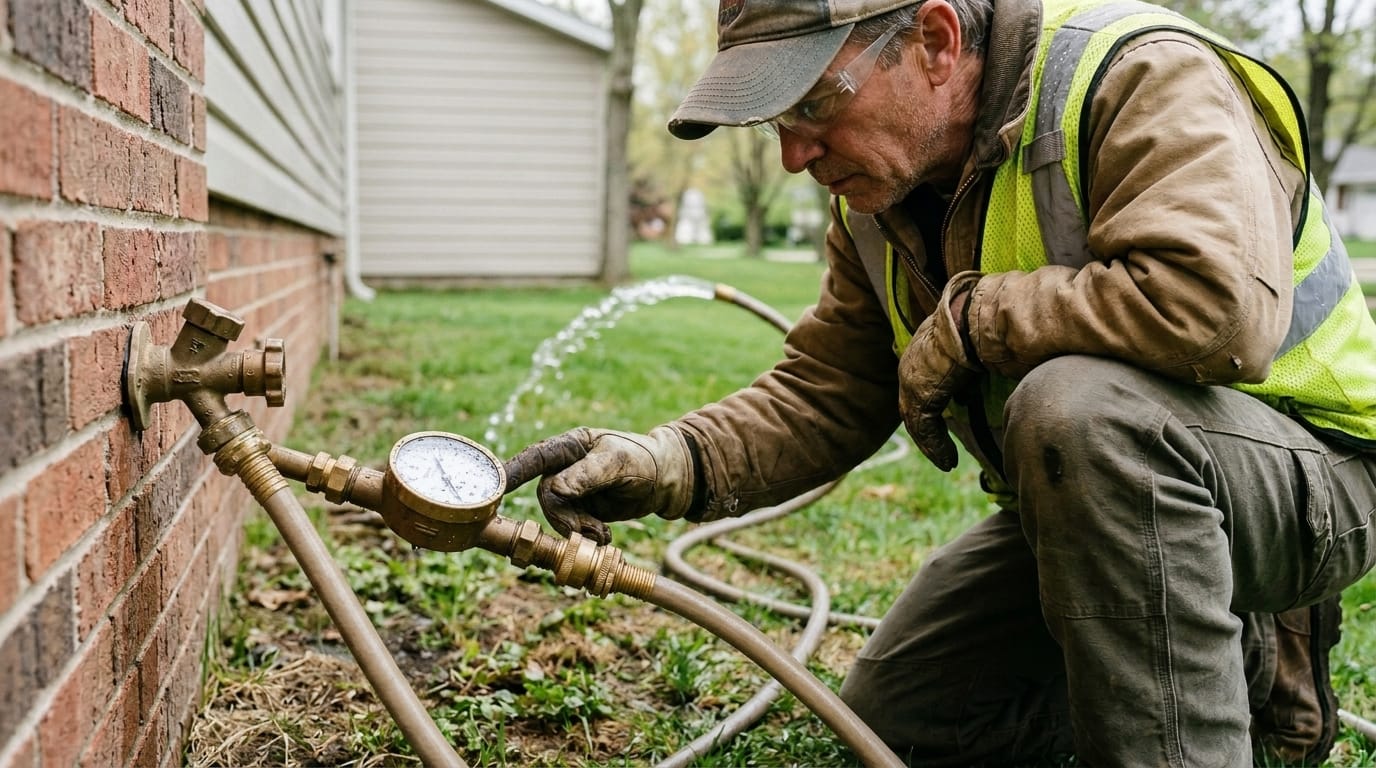
When buying a rural home, your mortgage hinges on the property's private well. Federal lenders require the well to continuously pump 3 to 5 gallons of water per minute for several hours. If it fails this flow test, your loan is frozen until you negotiate
The Summary
Selling a home in a designated wildfire zone means you must pass a defensible space inspection and disclose property hardening updates before closing. Waiting until a buyer requests these mandatory point of sale certifications often leads to expensive rush fees, closing delays, or strict buyer concession demands. By
The Core Takeaway
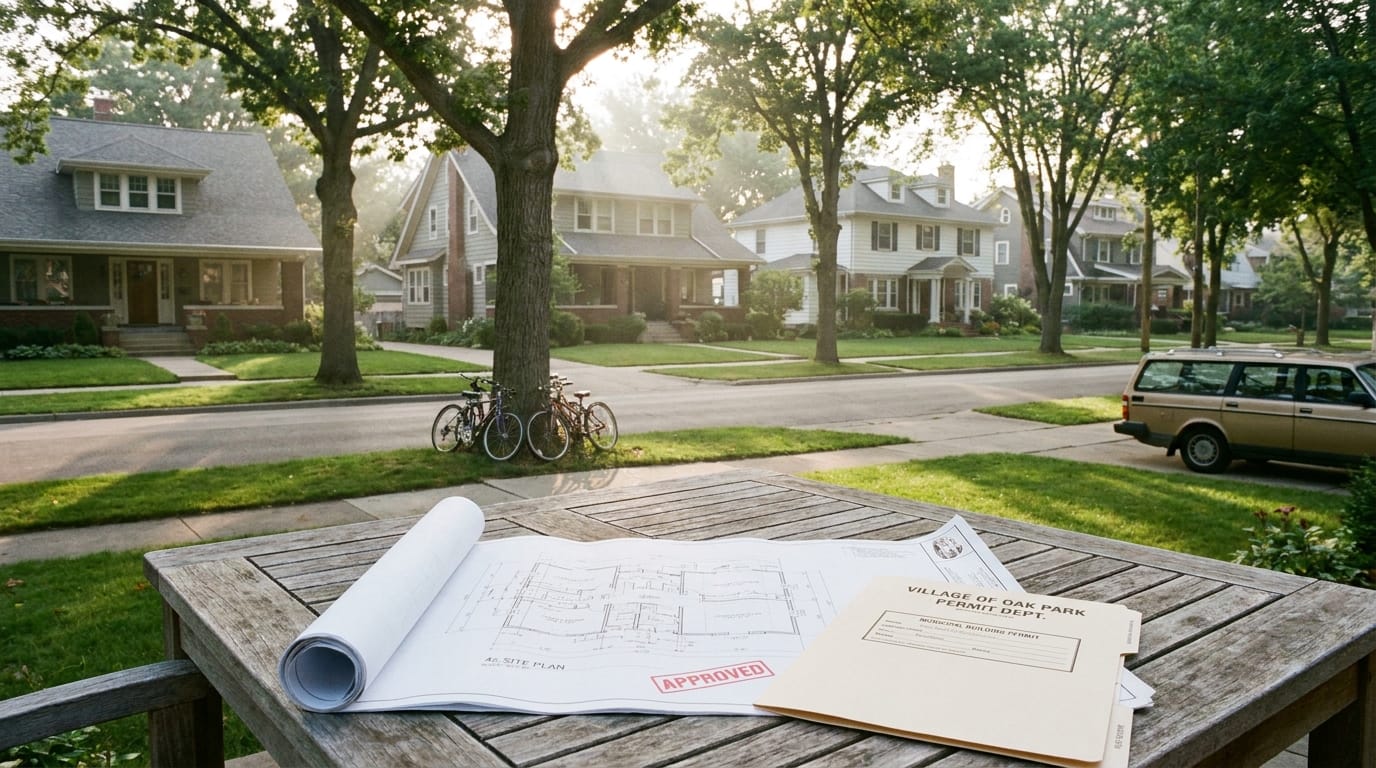
While interest rate fluctuations often dominate national news cycles, the stability of the suburban housing market is largely dictated by local administrative timelines. The multi-step process required for zoning, environmental reviews, and infrastructure permits creates a structural lag in new home construction. This steady, regulated pace