The Design Center Trap: Why $40,000 in Builder Upgrades Rarely Transfer to Resale Value
The Core Takeaway
Rolling tens of thousands of dollars for cosmetic design center upgrades into your 30 year mortgage inflates your monthly payments and property taxes. Because Automated Valuation Models (AVMs) and future buyers price homes based on structural square footage rather than high end finish brands, you rarely recover the full cost of builder markups at resale. To protect your equity, focus your financed budget on structural layout options and fund cosmetic updates independently after closing.
How a $40,000 Design Center Tab Becomes a $91,000 Expense
When you buy a newly built home, the base price on the builder's brochure is rarely what you end up paying at the closing table. Most buyers walk into the builder's design center planning to pick out a few nice touches and walk out with $35,000 to $60,000 in upgraded cabinets, hardwood floors, and stone countertops. Because nobody wants to write a check that large on top of a down payment, builders make it easy to roll that entire design bill straight into your 30 year mortgage.
Inside the showroom, those numbers sound harmless. A $10,000 flooring package gets pitched as just $60 more per month, which feels easy to absorb when you're already spending hundreds of thousands of dollars. Yet when you finance $40,000 in upgrades at a 6.5% interest rate over 30 years, your monthly payment climbs by about $252. Over the life of that loan, you'll pay more than $51,000 in interest on those finishes alone. That brings your real out of pocket cost past $91,000 for cabinets and floors that start losing value the day you get the keys.
Why Resale Markets Ignore Your Upgrade Receipts
The gap between what you paid and what the market recognizes shows up the moment you decide to sell. Automated valuation models and traditional valuation reports don't price a home by reading through your original builder receipts. Instead, they look at objective, measurable facts: your home's official livable square footage, the number of bedrooms and bathrooms, the year it was built, and what similar homes nearby recently sold for.
A valuation model cannot tell the difference between mid-grade quartz and a high-end designer slab, and it won't give you a dollar for dollar boost for soft close cabinet hinges. Because buyers and pricing algorithms judge homes primarily on size and layout, sellers usually get back less than half of what the builder charged for cosmetic upgrades. That instant gap between your loan balance and your home's recognized market value eats directly into your equity.
Standard valuation reports also rely on broad condition ratings rather than finish brands. A newly built home with standard builder carpet and an identical floor plan down the street with $40,000 in showroom upgrades both receive the exact same top condition rating. Both homes are new, clean, and need zero immediate repairs. In the math that sets your home's baseline value, there is no bonus multiplier for picking expensive hardware over standard fixtures.
The Hidden Property Tax Ripple Effect
Rolling cosmetic upgrades into your mortgage does more than inflate your interest bill. It also raises your annual property taxes from day one. County tax assessors typically set your home's initial tax value using the final recorded sale price on the deed. When you bundle $40,000 of design center choices into the builder's contract, your official purchase price jumps by $40,000.
Your city or county then applies its local property tax rate to that higher number every single year. By contrast, if you buy the base home and hire a local contractor to install new floors or countertops after closing, your recorded sale price stays lower. Local assessors rarely track interior cosmetic swaps made after you move in, which keeps your baseline tax bill noticeably lighter over the years you own the home.
Why Lot Premiums Rarely Pay You Back
Interior finishes are not the only place where builder markups disappear at resale. Many subdivisions charge $10,000 to $30,000 extra for corner lots, homes backing up to a retention pond, or parcels next to a neighborhood walking trail. Those spots can certainly make your morning coffee more enjoyable while you live there, so it's easy to see why buyers pay for them.
At resale, however, those location fees rarely hold up unless the lot gives you a legal, physical advantage. If local zoning rules allow you to build a larger footprint or add a detached structure that neighboring lots cannot fit, that extra land utility carries real value. If your lot has the exact same building limits as the rest of the street, future buyers and valuation tools will price it right alongside the houses next door. The extra $20,000 you paid the builder for a corner view often vanishes when you list.
Spending Your Budget on Footprint Instead of Finishes
If you want to protect your equity in a new build, put your financed dollars into the structure of the house rather than the surfaces inside it. Structural options change the permanent bones and usable size of the home, which are the exact details that drive future estimated property valuations. Adding a third garage bay, pouring a deeper basement foundation that can fit legal emergency exit windows later, or extending the main living room by a few feet all expand what the house can actually do.
Those choices increase your official livable square footage or add permanent functional space that valuation analysts and market algorithms measure directly. Think about the simple math in a neighborhood where homes sell for around $250 per square foot. Paying $15,000 to bump out a family room by 150 square feet can add roughly $37,500 in recognized market value right away. You would never see that kind of return from spending $15,000 on upgraded light fixtures, crown molding, or designer paint.
Waiting Until After Closing Saves Both Markup and Interest
A smarter way to handle a new build is to separate what you finance from what you customize. Use your builder contract and 30 year mortgage to lock in the best floor plan, lot orientation, and structural footprint you can afford. Once the sale closes and you have the keys, bring in independent local tradespeople to handle the flooring, tile, or kitchen upgrades using cash you set aside. Builder design centers routinely mark up materials and labor by 30 to 40 percent or more to cover their own overhead and profit margins.
Of course, waiting until after closing comes with real world trade-offs you have to plan around. Builders almost never allow outside contractors onto the property before closing, which means you will have to live through dust, noise, and scheduling delays after you move in. You also have to protect enough cash reserves after paying your down payment and closing costs so you don't end up putting those post closing projects on a high interest credit card. Even with that short term inconvenience, phasing in cosmetic updates with cash keeps you from paying 30 years of mortgage interest on finishes that wear out.
Building Equity That Lasts Beyond Five Year Trends
Interior styles move fast, usually shifting every five to seven years. By the time you're ready to sell your home, the trendy backsplash or cabinet color you financed at the design center will likely look dated to the next wave of buyers. Meanwhile, you could still be paying off those original finishes for another twenty years. Keeping your mortgage tied strictly to square footage and solid construction gives your home's value room to grow ahead of what you owe, while letting you update the look of your space on your own timeline and budget.
Make Objective Decisions with the eppraisal Agent
Before signing a builder's design center addendum, buyers can use eppraisal Agent to run an objective pre-contract check. By pulling neighborhood estimated property valuations, you can immediately see how much of that designer markup the resale market will actually recognize. You can also run the home improvement budget estimator to compare the builder's financed prices against local contractor rates for post closing work, allowing you to build equity instead of rolling cosmetic trends into a 30 year mortgage.
FAQs
No. An eppraisal is an AI-powered property analysis tool, not a licensed financial appraisal. It provides estimated property valuations and qualitative market context to inform your decision making, but it is not a substitute for a certified appraisal required by lenders.
Automated valuation models (AVMs) and comparable sales price properties based on objective square footage and bedroom counts, not interior cosmetic brands. Because market algorithms do not offer a bonus multiplier for expensive hardware, you typically recover less than half of the builder markup when selling.
Lot premiums rarely retain their full initial cost unless the parcel offers a tangible, legal zoning advantage, such as space for a detached structure. If the lot shares the exact same building limits as neighboring properties, future buyers and valuation tools will price it similarly regardless of corner views.
Rolling cosmetic finishes into a standard 30 year mortgage at a 6.5% interest rate drastically increases your lifetime housing costs. Financing $40,000 in cabinets and flooring adds hundreds to your monthly payment and generates over $51,000 in long term interest for materials that will quickly go out of style.
The Factual Summary
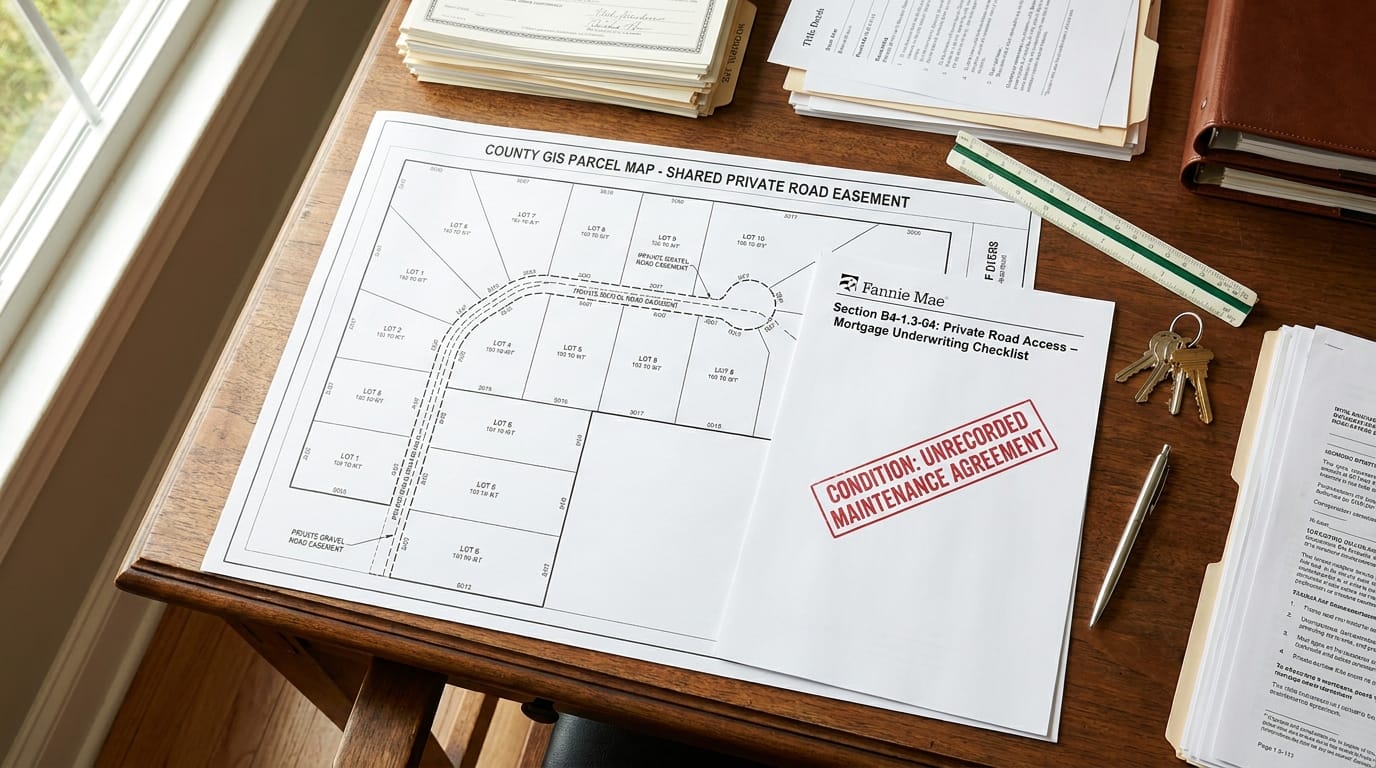
Buying a home on a private road or shared driveway comes with unique legal and financial rules. An informal handshake among neighbors to split snowplowing or gravel costs is not enough to get a conventional mortgage approved. Under Fannie Mae Selling Guide Section B4-1.3-04,
The Factual Summary
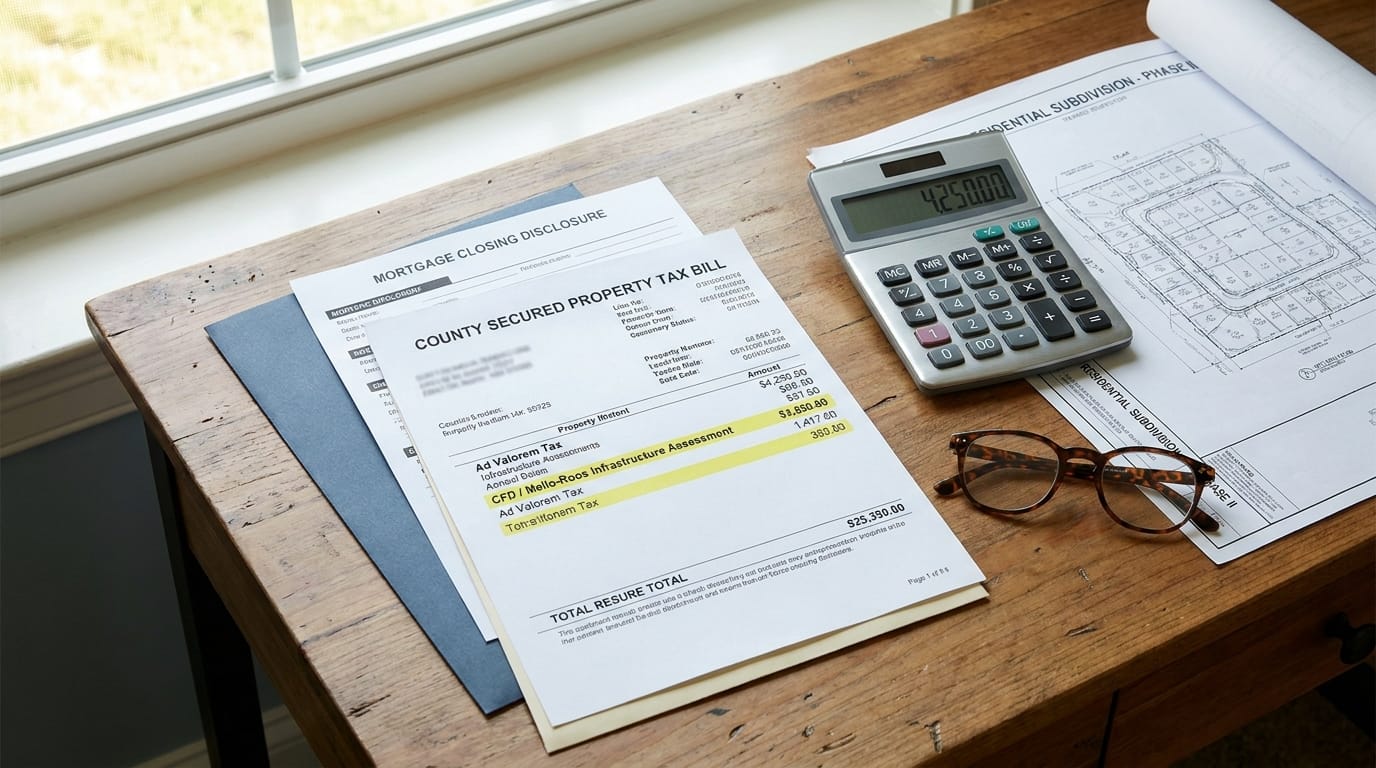
Community Facilities Districts (CFDs), Mello-Roos districts, and Local Improvement Districts (LIDs) fund neighborhood infrastructure by adding fixed annual fees to your county property tax bill, typically lasting 20 to 30 years. Because mortgage lenders count these $250 to $650 monthly charges as mandatory debt rather than
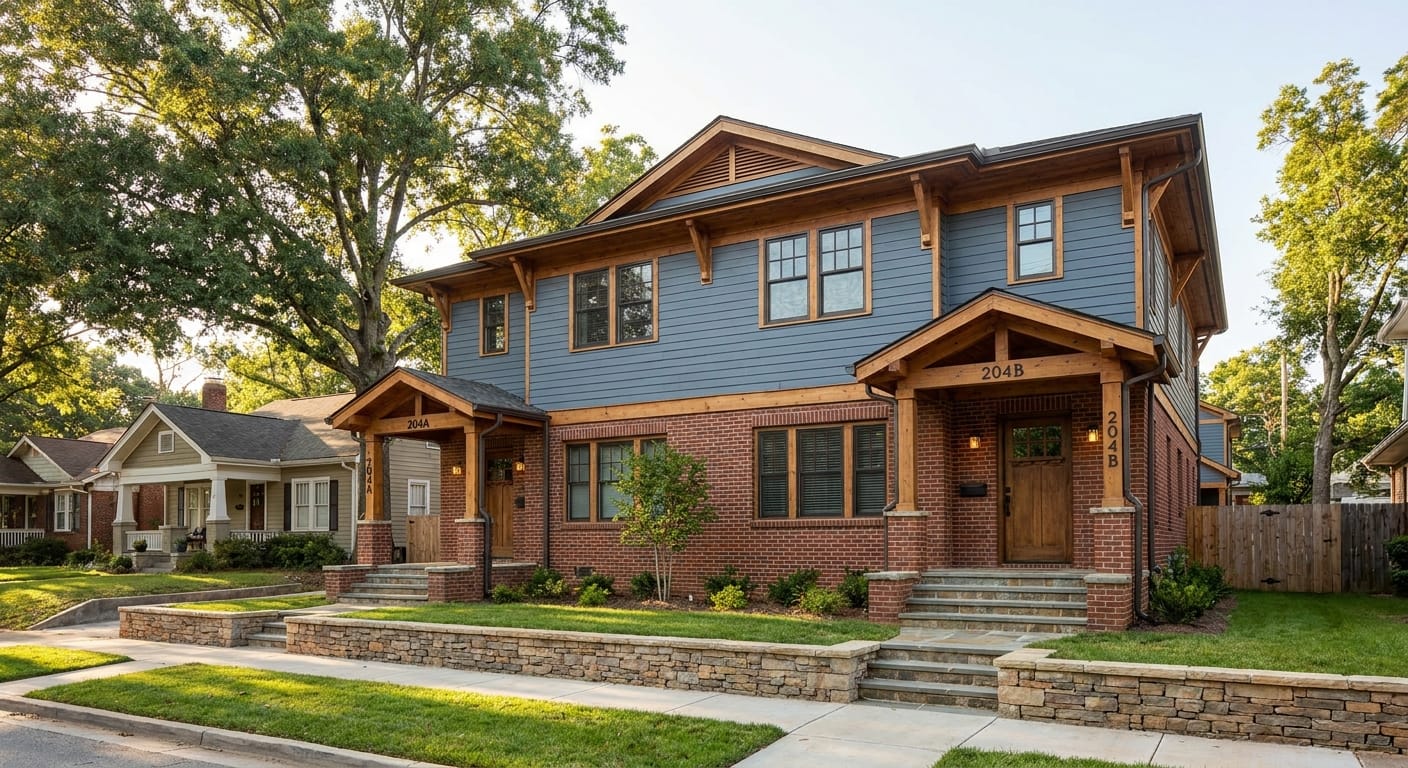
To combat a structural 1.9 million home shortfall across the United States, municipalities and state governments have been quietly passing sweeping "missing middle" housing legislation. This regulatory shift, gaining significant momentum between 2024 and 2026, effectively rolls back strict single-family-only zoning, a framework that has